

When I first learned that my favorite weekend ritual—sipping a smoky mezcal while scrolling through vintage vinyl—was silently taxing my liver, I felt a mix of disbelief and urgency. My upbringing in a coastal town taught me that the liver is the “quiet guardian” of vitality, yet modern life often turns it into an overworked night‑shift worker, processing everything from processed snacks to stress hormones. Over the past five years I’ve watched my own liver health wobble between glowing lab results and unsettling fatigue, prompting me to rewrite my relationship with food, environment, and self‑care. In this post I’m sharing the hard‑won lessons, science‑backed habits, and heartfelt anecdotes that have helped me keep my liver humming, hoping you’ll find a roadmap that resonates with your own journey toward inner balance.
Understanding the Liver’s Role in Modern Wellness
The liver is far more than a detox organ; it’s the metabolic hub that regulates blood sugar, synthesizes proteins, and stores essential vitamins, acting as the body’s internal pharmacy. When you consume alcohol, sugary drinks, or even certain medications, the liver mobilizes enzymes to break down these compounds, a process that generates free radicals and inflammation if done repeatedly without adequate recovery. Chronic exposure can lead to fatty liver disease, fibrosis, or even cirrhosis, conditions that often creep in silently until routine blood work raises red flags. What’s striking is how lifestyle factors—sleep quality, stress levels, and even gut health—interact with liver function, creating a feedback loop where a tired liver contributes to sluggish energy and a foggy mind, which in turn drives poorer choices. Recognizing this interconnectedness is the first step toward a truly holistic approach, where supporting the liver also means nurturing the mind and the environment around us.
Debunking Common Myths About Liver Care
One pervasive myth is that liver “detox” teas or extreme fasts can magically cleanse the organ in days. In reality, the liver already possesses sophisticated detox pathways that require consistent, gentle support rather than abrupt shocks. Another misconception is that only heavy drinkers need to worry about liver health; even moderate alcohol consumption combined with high‑fructose diets can accumulate fat in liver cells over time. Lastly, many believe that a single “liver‑friendly” supplement can replace a balanced diet—yet nutrients work synergistically, and isolated compounds often lack the bioavailability needed for meaningful impact. By shedding these myths, we free ourselves to adopt sustainable habits that honor the liver’s natural rhythm, such as regular movement, mindful eating, and adequate sleep, rather than chasing quick fixes that may do more harm than good.
Holistic Lifestyle Shifts That Protect Your Liver
My first breakthrough came when I swapped late‑night binge‑watching for a simple evening walk, allowing my body to process the day’s toxins before bedtime. Consistent physical activity—whether it’s yoga, brisk walking, or strength training—stimulates circulation, helping the liver transport waste products efficiently. Equally important is stress management; chronic cortisol spikes can impair liver enzymes, so practices like breathwork, journaling, or gentle meditation become daily liver‑friendly rituals. I also made a conscious decision to limit exposure to environmental pollutants by using natural cleaning products and opting for filtered water, reducing the chemical load my liver must filter. When these lifestyle pillars align, the liver operates like a well‑tuned orchestra, with each instrument supporting the other, resulting in clearer skin, steadier energy, and a calmer mind.
Nutrition: Foods That Fuel Liver Regeneration
What you put on your plate directly influences how hard your liver works. Leafy greens such as kale and arugula are rich in glucosinolates, compounds that boost the liver’s phase‑II detox pathways, while cruciferous vegetables like broccoli provide sulforaphane, a powerful antioxidant that protects liver cells from oxidative stress. Fatty fish, especially wild salmon, deliver omega‑3 fatty acids that reduce inflammation and improve lipid metabolism, essential for preventing fatty liver buildup. I’ve found that incorporating a handful of nuts—almonds, walnuts, or Brazil nuts—adds selenium and vitamin E, nutrients that further safeguard liver membranes. Below is a quick reference list of liver‑loving foods:
- Leafy greens (spinach, collard greens)
- Cruciferous vegetables (broccoli, cauliflower)
- Omega‑3 rich fish (salmon, sardines)
- Allium family (garlic, onions)
- High‑fiber fruits (berries, apples)
- Healthy fats (avocado, olive oil)
Pairing these foods with a moderate protein source and staying hydrated creates a nutritional environment where the liver can thrive, repair, and regenerate without constant overexertion.
Strategic Detox Practices and Guided Resources
Detox isn’t about starvation; it’s about giving the liver the tools and time it needs to perform its natural cleansing duties. One approach I’ve adopted is the “soft reset” that incorporates gentle fasting windows, increased water intake, and targeted herbs like milk thistle, dandelion root, and turmeric, each known for supporting bile flow and protecting hepatocytes. To deepen my understanding, I followed Sarah Gray’s Holistic Guide to a Modern Body Detox, which outlines a balanced 14‑day plan that blends nutrient‑dense smoothies, mindful movement, and sleep hygiene. Additionally, Craig Brett’s Detox From the Inside Out provides a science‑backed blueprint for resetting not only the liver but the entire gut‑liver axis, emphasizing the role of prebiotic fibers and fermented foods. By integrating these structured yet flexible detox strategies, I’ve noticed steadier energy levels, clearer digestion, and lab results that reflect improved liver enzyme ratios.
Supplements and Herbs: When and How to Use Them Wisely
While whole foods should form the foundation of liver support, certain supplements can fill gaps, especially during periods of heightened stress or after exposure to toxins. Milk thistle (silymarin) is perhaps the most studied herb for liver protection, acting as an antioxidant and encouraging cellular regeneration. N‑acetyl‑cysteine (NAC) boosts glutathione, the liver’s master detoxifier, and has shown promise in reducing oxidative damage. I also incorporate a modest dose of curcumin, the active component of turmeric, which modulates inflammatory pathways. However, it’s crucial to consult a healthcare professional before adding any supplement, as excessive dosages can paradoxically burden the liver. Choosing high‑quality, third‑party tested products ensures purity and minimizes the risk of contaminants that could undermine the very organ you’re trying to protect.
Monitoring Liver Health: Tests, Signs, and When to Seek Help
Regular monitoring is the compass that guides your liver‑friendly journey. Simple blood panels—ALT, AST, GGT, and bilirubin—provide a snapshot of liver enzyme activity, while imaging techniques like ultrasound can detect fatty infiltration early. I schedule a comprehensive check‑up annually, using the results to adjust my diet, exercise, and detox frequency. Beyond lab values, pay attention to subtle cues: persistent fatigue, unexplained abdominal discomfort, or a tendency toward bruising can signal liver strain. For those seeking a broader perspective on longevity, Paul Gray’s Longevity From the Inside Out offers a holistic framework that intertwines liver health with cardiovascular, cognitive, and metabolic well‑being, reinforcing the idea that a healthy liver is a cornerstone of a long, vibrant life.
The Mind‑Body Connection: Stress, Sleep, and Liver Resilience
Stress isn’t just a mental burden; it triggers hormonal cascades that can impair liver function, particularly through elevated cortisol and adrenaline levels that interfere with glucose metabolism. I’ve learned to treat stress as a liver‑related symptom, using techniques like progressive muscle relaxation, guided imagery, and even short “micro‑meditations” during the workday to reset my nervous system. Sleep, too, is a non‑negotiable pillar—deep REM cycles allow the liver to conduct its nightly repair processes, a fact reinforced by research linking sleep deprivation to increased liver fat accumulation. By prioritizing a consistent sleep schedule, dimming screens an hour before bed, and creating a calming bedtime ritual, I’ve observed more stable liver enzyme readings and a noticeable uplift in overall vitality.
Putting It All Together: A Personalized Liver‑Care Blueprint
Integrating these insights into a cohesive plan starts with a simple audit: assess your current diet, activity level, stressors, and sleep quality, then identify one or two areas for immediate improvement. For me, the first step was swapping sugary sodas for infused water and adding a daily 20‑minute walk after dinner, which instantly lightened my post‑meal heaviness. Next, I incorporated a weekly “liver‑boost” meal featuring steamed broccoli, wild salmon, and a turmeric‑spiced quinoa side, pairing it with a cup of dandelion tea. Finally, I scheduled quarterly lab tests and kept a wellness journal to track energy, mood, and any physical changes. This iterative, personalized approach ensures that liver support becomes a sustainable lifestyle rather than a temporary fad, empowering you to thrive from the inside out.
Closing Thoughts: Your Liver Deserves Compassion
Our livers work tirelessly, filtering, metabolizing, and regenerating without fanfare—so why not return the favor with compassion, mindful choices, and evidence‑based practices? By embracing a holistic lens that blends nutrition, movement, stress reduction, and strategic detox, you can nurture this vital organ and unlock a cascade of health benefits that radiate throughout your body. Remember, the journey is personal; listen to your body, celebrate small victories, and stay curious. If you’re ready to dive deeper, explore the linked resources, consult your healthcare provider, and commit to a liver‑loving routine that honors the remarkable resilience of this silent guardian.

Related Posts

Storytelling for a Stronger Liver: Harnessing Narrative Power
Tammy French shares how expressive writing, mindful storytelling, and narrative‑based habits can r... Read More
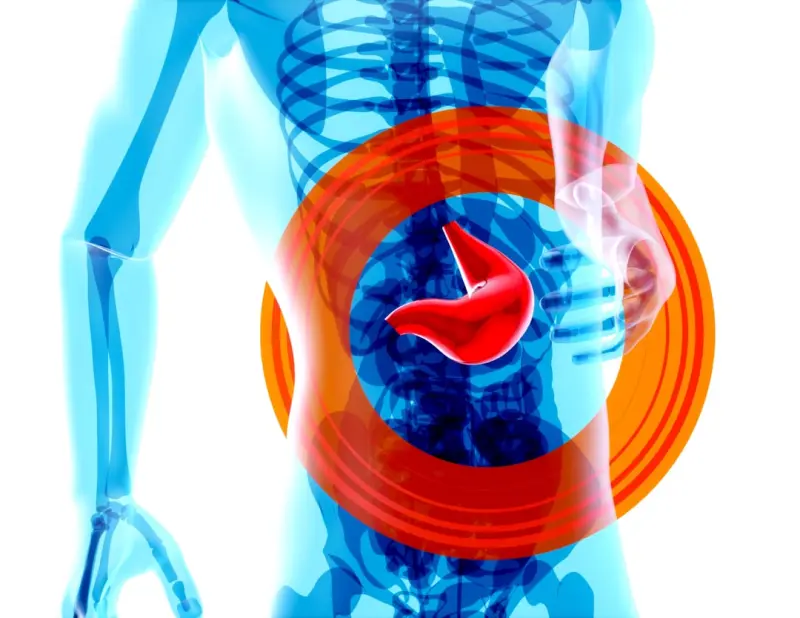
Unlocking Liver Vitality: A Holistic Blueprint for Peak Performance
A fresh, liver‑centric guide shows how functional testing, gut‑liver synergy, smart nutrition, a... Read More
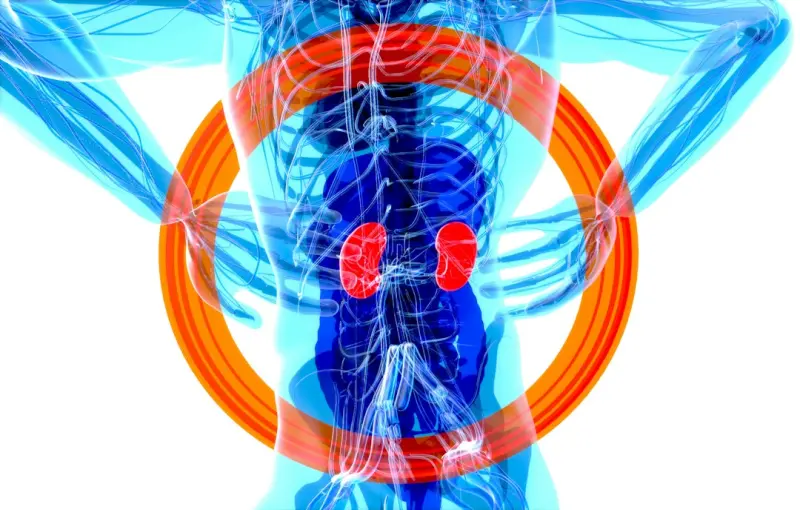
The Quiet Power of Liver Resilience: Future‑Proofing Your Metabolism
A deep dive into liver resilience reveals hidden stressors like indoor air quality and gut imbalance... Read More
Top Posts
Beyond the Detox: Building a Liver‑First Lifestyle for Sustainable Health
A liver‑first lifestyle shifts focus from occasional detoxes to daily, holistic habits—nutrition, movement, light, breathwork, and tech‑enabled monitoring...Read More

Chrono‑Nutrition: Syncing Meal Times to Stabilize Blood Sugar
Discover the power of chrono‑nutrition—aligning meal timing with your circadian rhythm—to keep blood sugar stable, reduce cravings, and enhance performanc...Read More
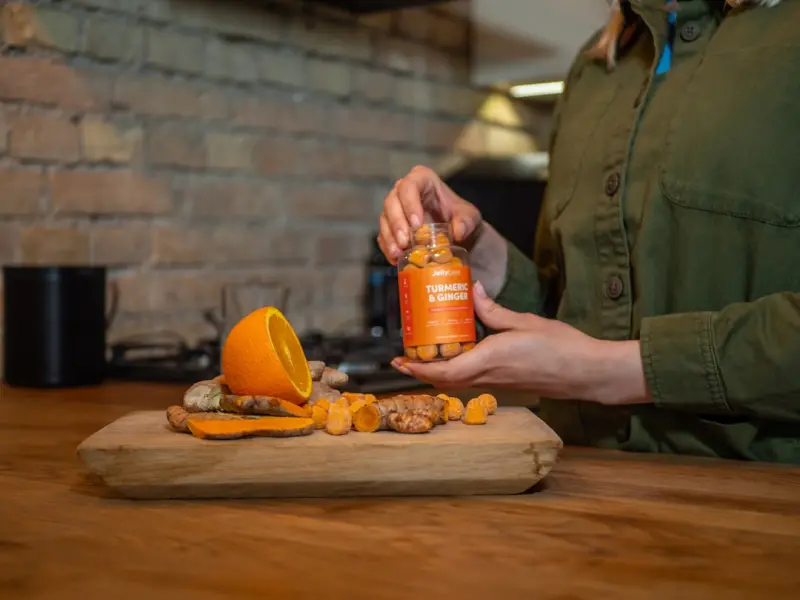
Nutrient Pairing Alchemy: Turning Everyday Meals into Bioavailability Boosters
Learn why combining specific foods can dramatically improve nutrient absorption and overall performance. This guide offers science‑backed pairings, timing str...Read More

Cold Exposure: The Underutilized Performance Hack for Modern Men
A practical guide shows how cold showers, ice baths, and contrast therapy can enhance metabolism, mental focus, and recovery for men, integrating with micro‑s...Read More
0 Comments
Post Comment
You will need to Login or Register to comment on this post!