

When I first stepped into a tech‑heavy co‑working hub, I noticed something odd: a quiet, almost invisible tension among many of my female colleagues. It wasn’t fatigue from long hours or the usual stress of deadlines; it was a subtle, cyclical dip in energy that seemed to sync with the calendar month. It took a few conversations and a lot of curiosity to realize that the very environment we designed for peak performance was inadvertently at odds with the natural hormonal rhythms that many women experience.
Why Hormonal Cycles Matter in the Workplace
Women’s bodies follow a roughly 28‑day cycle driven by fluctuations in estrogen, progesterone, and other hormones. These changes influence mood, cognition, energy, and even pain perception. While most workplaces celebrate flexibility and wellness, they rarely consider how lighting, temperature, seating ergonomics, and even scent can either amplify or mitigate these hormonal waves.
Research shows that during the follicular phase (the first half of the cycle) higher estrogen levels can boost verbal fluency, creativity, and confidence. Conversely, the luteal phase (the second half) often brings heightened sensitivity to stress, reduced stamina, and a craving for supportive environments. Ignoring these patterns can lead to a hidden productivity gap, higher burnout rates, and a silent drain on talent retention.
The Physical Environment: Light, Temperature, and Air Quality
Natural light is a powerhouse for synchronizing circadian rhythms, but it also plays a role in hormonal balance. Exposure to bright, blue‑rich light in the morning can support estrogen’s mood‑enhancing effects, while softer, warmer lighting in the afternoon can ease the progesterone‑driven need for calm. Offices that rely on harsh fluorescent lighting throughout the day inadvertently stress the nervous system, especially during the luteal phase.
Temperature control is another overlooked factor. Women tend to feel colder during the follicular phase due to vasodilation, and warmer during the luteal phase as basal metabolic rate rises. A “one‑size‑fits‑all” thermostat policy can make half the team feel uncomfortable, triggering cortisol spikes that interfere with hormonal equilibrium.
Air quality matters, too. Indoor pollutants can act as endocrine disruptors, subtly skewing hormone levels over time. Investing in high‑efficiency filtration and plants that purify the air isn’t just an aesthetic choice; it’s a preventive measure against hormonal noise.
Seating and Movement: Aligning with Physical Comfort
Ergonomic chairs are standard, yet they often ignore pelvic floor health—a cornerstone of women’s wellbeing, especially for those who experience menstrual cramps or early‑stage pelvic discomfort. Seats that promote a neutral hip angle, combined with standing desks that allow periodic weight shifts, can reduce uterine tension and improve blood flow.
Movement breaks are essential, but the type of movement matters. Gentle stretching or yoga poses that open the hips can alleviate dysmenorrhea during the menstrual phase, while dynamic, heart‑pumping intervals are ideal in the follicular phase to capitalize on the natural surge of energy.
Designing for Cognitive Flow Across the Cycle
During the high‑energy follicular phase, teams thrive on collaborative brainstorming, rapid prototyping, and public speaking. Open‑plan spaces, whiteboard walls, and acoustic pods become assets. In contrast, the luteal phase favors deep work, reflective thinking, and low‑stimulus zones. Providing quiet rooms with adjustable lighting and sound‑absorbing panels can help maintain focus when the brain naturally leans toward introspection.
One practical approach is a “flex‑zone” model: a core area that remains consistent (desks, power outlets) surrounded by modular spaces that can be reconfigured weekly based on the team’s collective cycle data. This dynamic layout respects the ebb and flow of hormonal energy without forcing a one‑track schedule.
Nutrition and Hydration Stations: Feeding Hormonal Health
Easy access to nutrient‑dense snacks can smooth hormonal dips. Magnesium‑rich foods (nuts, leafy greens) support progesterone balance, while vitamin B6 (bananas, chickpeas) helps mitigate pre‑menstrual mood swings. Hydration stations with infused water (cucumber, lemon) aid in reducing bloating—a common luteal symptom.
Consider partnering with catering services that rotate menus based on seasonal produce, aligning with the body’s natural cravings for certain micronutrients at different times of the month. A simple “cycle‑smart” snack guide displayed in the kitchen can empower employees to make choices that sync with their bodies.
Technology as an Ally, Not a Disruptor
Wearable tech can provide anonymous, aggregate data on how employees’ energy levels shift throughout the month, without violating privacy. When combined with AI‑driven environmental controls, the office can subtly adjust lighting hue, temperature, and even background soundscapes in real time.
These smart adjustments echo the principle of holistic design for health, where technology supports the body’s innate rhythms rather than fighting against them. The goal isn’t to micromanage; it’s to create a responsive backdrop that lets individuals thrive naturally.
Policy Shifts: From “Flex Time” to “Cycle Flex”
Many companies already champion flexible hours, but a deeper level of empathy involves “cycle flex”—the option for employees to adjust their work patterns in line with their hormonal calendar. This could mean allowing a later start on days when fatigue is expected, or swapping a meeting-heavy day for a solo‑project focus when concentration peaks.
Implementing cycle flex requires trust and clear communication. Managers can set up optional check‑ins where team members share general availability preferences without disclosing personal health details. The result is a culture where physiological reality is respected, boosting morale and reducing hidden absenteeism.
Education and Normalization
One of the biggest barriers is stigma. Many women feel the need to hide menstrual-related symptoms for fear of being judged as “less capable.” Regular workshops led by health professionals can demystify hormonal health, turning it into a shared knowledge asset rather than a private burden.
When leadership openly acknowledges the importance of hormonal wellness, it cascades down, encouraging peers to speak up and seek accommodations when needed. This cultural shift mirrors the broader movement toward mental hygiene discussed in intentional mental hygiene, extending it to physiological well‑being.
Measuring Impact: What Success Looks Like
Key performance indicators (KPIs) for a hormone‑aligned workplace go beyond traditional productivity metrics. Look for reductions in sick days during luteal weeks, increased participation in collaborative sessions during follicular weeks, and higher overall employee satisfaction scores.
Surveys that ask about perceived energy, focus, and comfort—rather than just “stress levels”—can surface the nuanced benefits of a hormonally responsive environment. Over time, these data points build a compelling case for scaling the model across departments or even entire organizations.
Practical Steps for Immediate Implementation
- Audit lighting: Replace or dim harsh fluorescents, add tunable LEDs that mimic sunrise and sunset cycles.
- Temperature zoning: Install programmable thermostats that allow micro‑climate control in different zones.
- Modular furniture: Invest in desks and partitions that can be reconfigured weekly.
- Quiet pods: Designate low‑stimulus rooms with soft lighting and acoustic dampening for deep work.
- Snack strategy: Curate a rotating selection of magnesium‑rich and B‑vitamin foods.
- Education series: Host quarterly talks on hormonal health, nutrition, and ergonomics.
- Feedback loop: Use anonymous pulse surveys to gauge how environmental tweaks affect well‑being.
Looking Ahead: A Blueprint for Future‑Ready Offices
The future of work is not just remote or hybrid; it’s adaptive. By integrating hormonal awareness into the very fabric of office design, companies can unlock a hidden layer of human potential. This approach dovetails with the concept of small, sustainable behavior shifts that compound over time, fostering a workforce that feels seen, supported, and ultimately more productive.
When we align the physical workspace with the biological rhythm of the people who inhabit it, we move beyond superficial perks to a genuinely human‑centric model of productivity. It’s a shift that respects the science of the body while honoring the individuality of each employee—a win‑win for people, culture, and the bottom line.

Related Posts

Listening to the Heartbeat of Her Health: A Fresh Look at Women’s Cardiovascular Wellness
A deep dive into women’s cardiovascular health reveals hidden risks and tailored strategies—from... Read More

The Unspoken Truth About Women's Health: A Holistic Approach to Wellness
A holistic approach to women's health considers the unique challenges and experiences that women fac... Read More
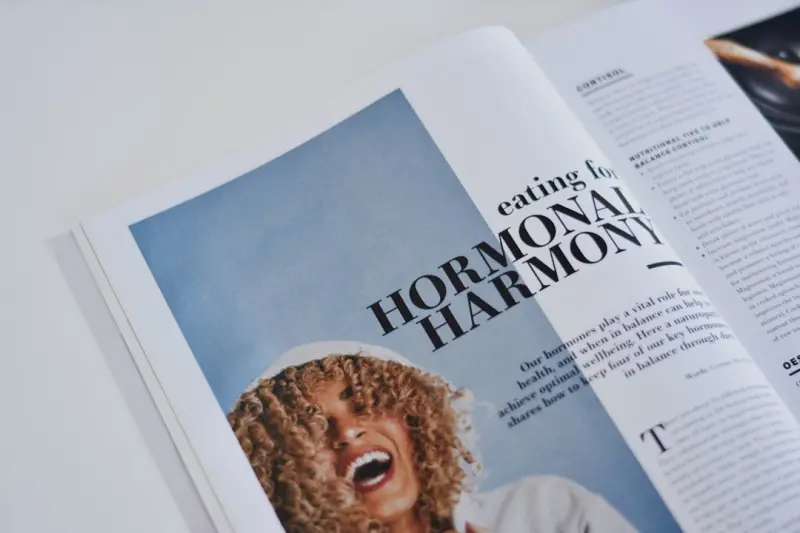
Rethinking Menstrual Wellness Through Personal Data
A data‑driven guide shows women how to sync food, movement, and work habits with their hormonal cy... Read More
Top Posts

Transforming Cancer Into Narrative: A Personal Blueprint for Healing Through Story
A cancer diagnosis can feel like a dead end, but by turning the experience into a personal story, you can reclaim agency, reduce stress, and build a supportive ...Read More
Remote Work, Sleep Apnea, and the New Productivity Playbook
Explore the unique challenges sleep apnea poses for remote workers and learn actionable strategies—tech tracking, workspace tweaks, nutrition, and communicati...Read More
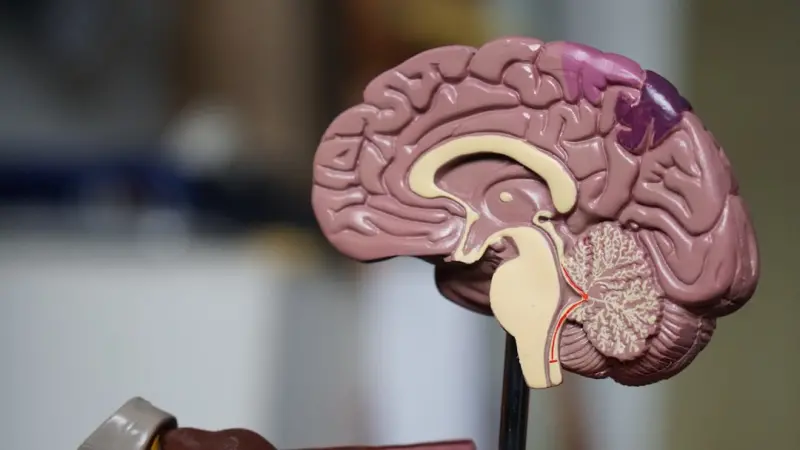
Learning as Longevity: Harnessing Neuro‑Hormesis for a Healthier Future
By treating learning as a deliberate, neuro‑hormetic stressor, you can activate BDNF, improve insulin sensitivity, and reduce inflammation—key components of...Read More

Rethinking Blood Pressure: How Micro‑Movements and Real‑Time Data Are Changing the Game
A fresh approach to blood pressure management combines micro‑movements, wearable biofeedback, and neuro‑fitness, turning everyday actions into powerful tool...Read More
0 Comments
Post Comment
You will need to Login or Register to comment on this post!