
The Silent Epidemic in Home Offices
When I first swapped my commute for a dedicated home office, I thought the biggest health challenge would be the occasional backache from a makeshift desk. What I didn’t anticipate was the quiet, nightly drama of sleep apnea playing out behind closed bedroom doors. For many remote professionals, the story is the same: a growing number of nights interrupted by brief pauses in breathing, a surge in daytime fatigue, and a hidden toll on cardiovascular health. The irony? The very flexibility that lets us work from a couch or a kitchen island also makes it harder to spot the warning signs.
Why Traditional Approaches Miss the Mark
Conventional sleep apnea treatment still revolves around the one-size-fits-all CPAP mask—a device that, while lifesaving for many, feels like a relic in the age of smart tech. The standard clinical pathway requires an overnight sleep study at a lab, a process that is costly, time‑consuming, and often out of reach for the busy knowledge worker juggling back‑to‑back Zoom calls.
But the problem isn’t just the inconvenience of a sleep study. It’s the cultural blind spot that assumes “snoring is just loud breathing.” In a remote setup, colleagues rarely hear you at night, and family members may chalk up restless tossing to stress or screen fatigue. As a result, many go undiagnosed until the symptoms—high blood pressure, impaired cognition, and mood swings—become impossible to ignore.
Data‑Driven Signals: From Wearables to AI
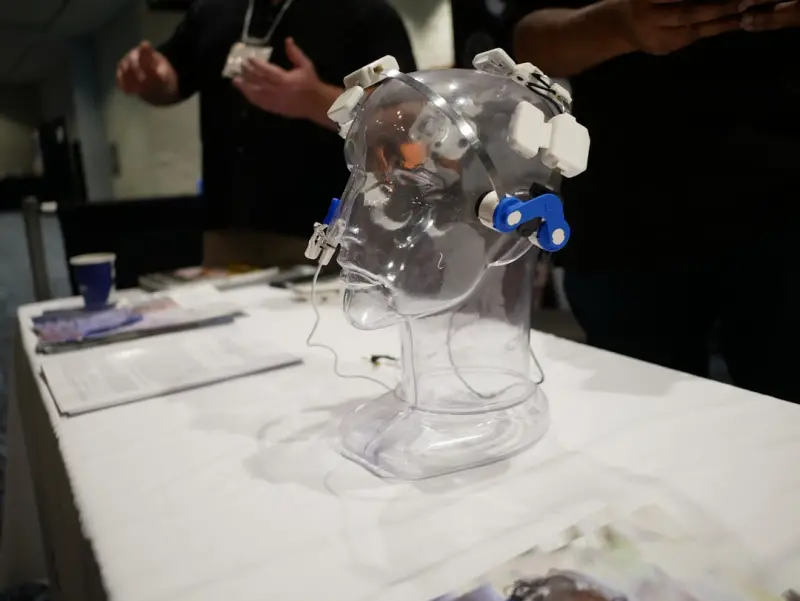
Enter the era of data. Modern wearables now capture oxygen saturation (SpO₂), heart‑rate variability, and even subtle respiratory patterns throughout the night. When paired with AI‑driven analytics, these devices can flag potential apnea episodes in real time—providing an early warning system that traditional sleep labs simply can’t match.
For example, a recent study demonstrated that a machine‑learning model trained on wearable data could predict moderate to severe sleep apnea with 87% accuracy, cutting the need for in‑lab studies by more than half. This shift democratizes detection, turning every employee’s wrist into a potential health sentinel.
Of course, data alone isn’t enough. You need the right framework to interpret it. That’s why I often point my readers to breathwork for autonomic balance. Understanding how your nervous system reacts to sleep‑disordered breathing can illuminate why certain patterns show up on your tracker and how to respond.
Breathing Reimagined: Simple Practices for Nighttime Relief
While tech offers detection, practical breathing strategies can mitigate the severity of apnea events. The goal isn’t to replace CPAP for those who need it, but to empower anyone with mild to moderate symptoms to reclaim better sleep.
- Diaphragmatic Reset: Before bed, lie on your back with one hand on your chest and the other on your abdomen. Inhale slowly through the nose, feeling the belly rise, then exhale through pursed lips. Perform three minutes of this “reset” to prime the diaphragm for deeper, more rhythmic breaths.
- 4‑7‑8 Rhythm: Inspired by ancient yogic practices, inhale for 4 seconds, hold for 7, and exhale for 8. This pattern stimulates the parasympathetic nervous system, reducing the likelihood of airway collapse during the early stages of sleep.
- Positional Therapy: Many apnea episodes intensify when you lie on your back. Investing in a gentle wedge pillow or a positional sleep aid (like a wearable that vibrates when you roll onto your back) can keep the airway open without compromising comfort.
These techniques are low‑cost, low‑risk, and can be incorporated into the nightly routine of anyone juggling a demanding remote workload.
Lifestyle Levers Beyond the CPAP
Weight management, alcohol moderation, and nasal hygiene are the classic triad of apnea mitigation. Yet, for remote workers, the “weight” factor often includes invisible burdens: prolonged sitting, erratic meal times, and the stress of an always‑on inbox.
One surprising lever is keeping blood pressure low. Elevated blood pressure can exacerbate airway resistance, creating a feedback loop where apnea spikes blood pressure, which in turn worsens apnea. Simple interventions—regular micro‑breaks, a standing desk, and mindful hydration—can break this cycle.
Another underutilized tool is nasal breathing strips. By physically opening the nasal passages, they reduce the negative pressure that pulls the soft palate down during inhalation, a key trigger for apnea events.
Action Plan for the Modern Remote Worker
Below is a step‑by‑step playbook you can start today, without waiting for a specialist appointment.
- Audit Your Night: Use a wearable for a week to capture SpO₂ and respiratory patterns. Look for dips below 90% lasting more than 10 seconds.
- Integrate Breathing Reset: Add a three‑minute diaphragmatic exercise to your pre‑sleep routine.
- Adjust Your Sleep Position: Invest in a wedge pillow or a positional alarm to stay on your side.
- Control Your Environment: Keep the bedroom cool (around 65°F) and limit alcohol within two hours of bedtime.
- Micro‑Move Throughout the Day: Every hour, stand, stretch, and do a quick set of bodyweight squats. This combats the sedentary slump that fuels weight gain and respiratory weakness.
- Monitor Blood Pressure: Track your systolic and diastolic numbers weekly; aim for under 120/80 mmHg. If you notice a trend upward, revisit your diet and stress management practices.
- Seek Professional Guidance When Needed: If wearable data shows frequent desaturation events (more than 5 per hour), schedule a tele‑sleep study. Many insurers now cover home‑based sleep testing, making the process smoother for remote workers.
By treating sleep apnea as a dynamic, data‑informed challenge rather than a static medical condition, you empower yourself to optimize both health and productivity. The remote work model thrives on flexibility; let your sleep health be equally adaptable.
Future Outlook: From Reactive to Proactive Sleep Health
We stand at the cusp of a paradigm shift. As AI algorithms become more refined, they will not only flag apnea risks but also suggest personalized interventions—ranging from optimal pillow ergonomics to tailored breathing protocols. Imagine a dashboard that syncs with your calendar, nudging you to stand, hydrate, or practice a breath reset right before a high‑stress meeting.
Until that day arrives, the tools are already in your hands. Leverage the data you already collect, adopt simple breathing habits, and treat your sleep environment with the same strategic intent you apply to any high‑performance project. Sleep apnea may be silent, but with the right awareness, it doesn’t have to be a silent saboteur of your career.

Related Posts

Quieting the Night: A Fresh Playbook for Managing Sleep Apnea
A comprehensive guide offering actionable tips—from bedroom setup to breathing exercises—designe... Read More

Silent Nights, Stolen Days: How Sleep Apnea Undermines Your Work Performance
Sleep apnea isn’t just a health issue—it’s a silent productivity killer. Discover its impact o... Read More

Breathing Easier at Night: A Holistic Journey Through Sleep Apnea
A personal, holistic guide to tackling sleep apnea—covering bedroom setup, oral health, wearable t... Read More
Top Posts

When Night Shadows Whisper: Unraveling Sleep Terrors with Sensory Grounding
Sleep terrors can feel like a hidden storm. Learn how to calm the brain, debunk myths, and use simple sensory tools to reclaim restful nights....Read More

Curiosity Unlocked: How Lifelong Learning Boosts Senior Health and Vitality
Becky Putman shares her personal journey of embracing curiosity in later life, showing how daily learning, tech tools, and intergenerational connections can imp...Read More
The Silent Saboteur: How Sleep Apnea Undermines Focus and Creativity
Sleep apnea quietly disrupts deep sleep, diminishing memory, decision‑making, and creativity. This post reveals the neuro‑cognitive fallout and offers actio...Read More

Strategic Pregnancy: Balancing Career Growth, Finances, and Well‑Being
Discover how to turn pregnancy into a strategic advantage with career pivots, financial planning, micro‑movement health hacks, and leadership storytelling—a...Read More
0 Comments
Post Comment
You will need to Login or Register to comment on this post!