

Quieting the Night: A Fresh Playbook for Managing Sleep Apnea
When I first heard the term “sleep apnea” whispered in a conference hallway, my mind immediately drifted to the familiar chorus of CPAP machines, nighttime masks, and the occasional sigh of relief from a patient who finally got a good night’s sleep. Over the years, I’ve sat beside dozens of executives, founders, and busy professionals who shared that same story—until they discovered that the nightly battle didn’t have to be waged with a bulky device alone.
Sleep apnea isn’t just a medical condition; it’s a silent partner that can shape every decision you make the next day. From missed deadlines to foggy boardroom presentations, the ripple effect can be profound. The good news? You can rewrite that narrative with a blend of small, intentional habits, environment tweaks, and a dash of modern tech—all without turning your bedroom into a clinical lab.
Understanding the “Why” Before the “How”
Before you overhaul your evening routine, let’s demystify what’s happening when you breathe in the dark. In obstructive sleep apnea (OSA), the airway collapses momentarily, cutting off airflow for seconds to minutes. Your brain senses the dip in oxygen and briefly awakens you—often without you ever remembering the episode. Those micro‑arousals fragment sleep architecture, leaving you stuck in light, non‑restorative stages.
While the medical community rightfully emphasizes CPAP as the gold standard, research shows that lifestyle factors—body weight, sleeping position, nasal patency, and even the air quality in your room—play a significant supporting role. Think of it as a three‑part harmony: medical treatment, behavioral adjustments, and environmental design. When one instrument is out of tune, the entire performance suffers.
1. Rethink Your Sleeping Surface
Most of us treat the mattress like a “set it and forget it” purchase, but for apnea sufferers, it’s a strategic asset. A mattress that’s too soft allows the spine to sink, increasing the likelihood that the tongue and soft palate will collapse into the airway.
- Medium‑Firm Preference: Aim for a surface that offers support without being rock‑hard. This keeps the spine aligned and reduces the chance of airway obstruction.
- Adjustable Bases: If you can, invest in a bed that elevates the head by 4–6 inches. That slight incline encourages gravity to keep the airway open.
- Cooling Technology: Overheating can worsen breathing irregularities. Look for breathable fabrics or cooling gels to keep the micro‑climate comfortable.
When I swapped my old plush mattress for a medium‑firm, adjustable model, the difference was immediate—my mornings felt less “groggy” even before I introduced any new habits.
2. Positioning: The Power of Side‑Sleeping
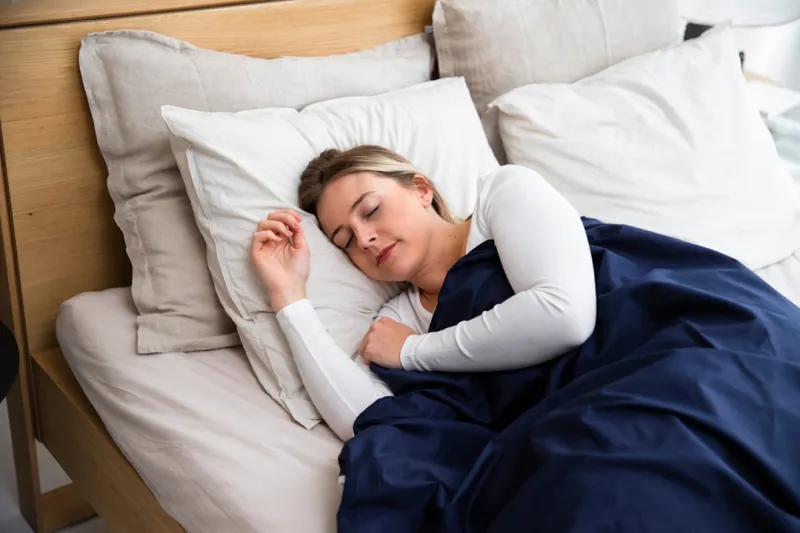
The classic “sleep on your side” advice isn’t a myth; it’s backed by a body of evidence. When you lie on your back, the tongue and soft tissue naturally fall backward, narrowing the airway. Side‑sleeping prevents this gravity‑driven collapse.
But let’s be honest—changing sleep position feels like trying to rewire a lifelong habit. Here’s how to make it stick:
- Strategic Pillow Placement: Tuck a firm pillow or a rolled‑up towel behind your back. It acts as a gentle barrier, nudging you back onto your side if you roll over.
- Specialty Pillows: There are contoured “sleep apnea pillows” designed with a dip for side‑sleepers, encouraging the correct alignment.
- Wearable Position Trackers: Some modern wearables vibrate gently when you flip onto your back. It’s a subtle cue that keeps you in the right zone without disrupting sleep.
Combine this with a smart breathing tool that monitors nocturnal oxygen levels, and you’ve got a feedback loop that helps you stay on track night after night.
3. The Nightly “Air Quality” Audit
Ever walked into a room that felt stuffy? That’s the same environment your airway contends with while you sleep. Dust, allergens, and low humidity can inflame nasal passages, making breathing even more laborious.
- HEPA Filters: A small portable air purifier with a HEPA filter captures airborne particles, reducing nasal congestion.
- Humidifiers: Aim for a relative humidity of 40‑50%. Too dry can irritate membranes; too humid can encourage mold growth.
- Regular Cleaning: Wash bedding weekly in hot water, vacuum carpets, and keep pet dander in check.
These steps are modest, but together they create a breathing‑friendly sanctuary that supports whatever primary treatment you’re using.
4. Nutrition Hacks That Matter
While I’m not a nutritionist, the science on “sleep‑friendly foods” is compelling. Certain nutrients can reduce inflammation, support airway tone, and even improve sleep architecture.
- Magnesium-Rich Snacks: A handful of almonds or a banana before bed can promote muscle relaxation, which may ease airway collapse.
- Omega‑3 Fatty Acids: Found in fatty fish, flaxseed, and walnuts, omega‑3s help reduce systemic inflammation—a contributor to airway swelling.
- Limit Alcohol & Heavy Meals: Both relax the throat muscles and increase the risk of airway blockage.
Pair these dietary tweaks with a screen reduction strategy at least an hour before bedtime, and you’ll notice a calmer nervous system ready for restorative sleep.
5. Micro‑Breathing Practices for Bedtime
Breathwork isn’t just for yoga studios; it can be a powerful ally for apnea. The goal is to improve diaphragmatic strength and enhance airway patency.
- Box Breathing (4‑4‑4‑4): Inhale for four counts, hold for four, exhale for four, hold again for four. Repeat for two minutes.
- Alternate Nostril Breathing: Close the right nostril, inhale left, close left, exhale right—then switch. This balances autonomic tone.
- Resonant Breathing (5‑6 breaths per minute): Slow, rhythmic breaths can lower heart rate variability and calm the brain’s arousal system.
Even a brief five‑minute session before you pull the covers can prime your respiratory muscles, making the night feel less like a battle.
6. The “Mindful Unplug” Before Lights Out
We live in a world where notifications ping into the night, flooding the brain with blue light that suppresses melatonin. A digital sabbatical doesn’t have to be a weekend retreat; it can be a 30‑minute ritual each evening.
- Designate a “tech‑free zone”: Keep phones, tablets, and laptops out of the bedroom.
- Transition activities: Light reading, gentle stretching, or journaling about the day’s wins can ease the mind.
- Consistent bedtime: Aim for the same hour each night to reinforce circadian rhythms.
When you give your brain the chance to unwind, the transition to sleep becomes smoother—reducing the likelihood of those brief awakenings that trigger apnea episodes.
7. Leverage Community Support
Sleep apnea can feel isolating, especially when the most visible symptom—snoring—affects a partner’s sleep, too. Creating a support network, whether through online forums, local meet‑ups, or workplace wellness groups, can provide accountability and fresh ideas.
One of my favorite resources is a peer‑led group where members share their “nightly hacks.” You’ll hear about everything from “the lavender pillow spray that reduces nasal congestion” to “the 10‑minute bedtime yoga sequence that eases upper airway tension.” The collective wisdom often uncovers gems you’d never find in a clinical brochure.
8. When to Re‑Evaluate Medical Options
All the lifestyle tweaks in the world won’t replace a medical professional’s assessment. If you notice persistent daytime fatigue, morning headaches, or a partner reporting loud, irregular snoring, it’s time to revisit your treatment plan.
Consider these checkpoints:
- Annual Sleep Study: Even if you have a CPAP, the pressure settings may need adjustment over time.
- Weight Management: A modest 5‑10% weight loss can dramatically reduce apnea severity.
- Dental Devices: For mild to moderate cases, mandibular advancement devices can be an effective alternative.
The goal is a dynamic approach—one that evolves as your body, work, and life circumstances change.
Putting It All Together: A Sample Nightly Blueprint
Below is a concise, 30‑minute routine that weaves together the strategies discussed. Feel free to customize based on your schedule and preferences.
- 20 minutes before bed: Dim the lights, turn off screens, and engage in a digital sabbatical. Sip a warm, magnesium‑rich beverage (e.g., almond milk with a pinch of cinnamon).
- 15 minutes before bed: Perform a 5‑minute breathing sequence—box breathing followed by alternate nostril breathing.
- 10 minutes before bed: Light stretching or a brief yoga flow focusing on the neck and throat area.
- 5 minutes before bed: Set your adjustable bed to a 5‑inch incline, place a pillow behind your back, and turn on a white‑noise machine or a gentle fan for air circulation.
- Lights out: Slip under the covers, ensuring your pillow supports side‑sleeping alignment. If you have a wearable that tracks oxygen saturation, activate it now.
Track your experience for a week. Note any changes in morning alertness, partner’s feedback, and the data from your wearable. Small adjustments—like a different pillow placement or a tweak in humidity—can make a big difference.
Looking Ahead: The Future of Sleep Apnea Management
Technology is marching forward at a breakneck pace. Tomorrow’s CPAP machines will be quieter, more adaptive, and integrated with AI that predicts pressure needs in real time. Meanwhile, smart home ecosystems will automatically adjust room temperature, humidity, and even lighting based on your sleep stage.
But the human element—mindful habits, supportive environments, and community—will remain the backbone of lasting relief. By embracing a holistic playbook now, you position yourself to integrate these emerging tools seamlessly, rather than scrambling to catch up later.
Sleep apnea isn’t a life sentence; it’s a signal that your body is asking for a bit more care, a bit more intention. Treat it with the same strategic thinking you bring to your business challenges, and you’ll find that the nights become a well‑designed runway for the next day’s successes.

Tammy French is a Montessori Teaching Assistant and freelance writer passionate about education, creativity, and inspiring lifelong learning through engaging content.
Related Posts

How Sleep Apnea Quietly Stifles Creative Flow—and What to Do About It
Sleep apnea isn’t just a health issue; it quietly undermines creativity. This article explores how... Read More

Silent Saboteur: How Sleep Apnea Undermines Workplace Performance and What Leaders Can Do About It
Sleep apnea silently drains employee focus, raises health costs, and jeopardizes safety. This articl... Read More
The Hidden Truth About Sleep Apnea: A Holistic Approach to Better Sleep
Sleep apnea is a complex condition that affects millions of people worldwide. Learn how a holistic a... Read More
Top Posts

Unlocking Sustainable Muscle Growth: A Holistic Approach
Learn how to combine progressive overload, smart nutrition, quality sleep, and mental resilience into a holistic plan that fuels sustainable muscle growth and a...Read More

Syncing Your Gut Clock: How Meal Timing Fuels Microbiome Vitality
Tom Ferguson explains the science behind the gut’s internal clock and offers practical steps to synchronize meals, sleep, and lifestyle for a thriving microbi...Read More

Finding Your Mental Oasis: How Nature‑Based Play Can Rewire Stress Into Strength
Kelly Reynolds shares a practical guide to integrating nature‑based play into busy lives, explaining the science, offering easy activities, and showing how it...Read More

How to Choose Health Insurance That Supports Your Holistic Lifestyle
A practical guide to selecting health insurance that aligns with a whole‑body wellness mindset, covering preventive services, alternative therapies, and futur...Read More
0 Comments
Post Comment
You will need to Login or Register to comment on this post!