
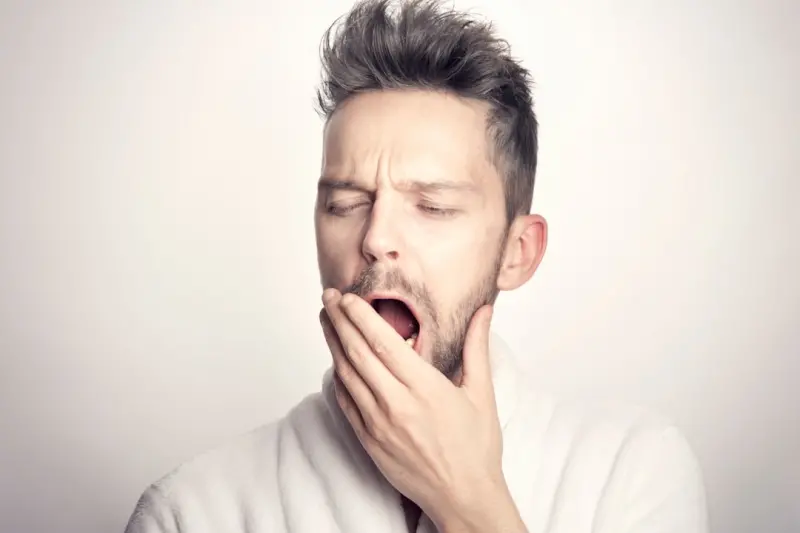
The Quiet Saboteur in the Office: Sleep Apnea’s Hidden Toll
When you walk into a modern office, the first things you notice are sleek desks, collaborative hubs, and the low hum of laptops. What you don’t see—because it’s invisible—are the silent interruptions happening while most employees are sleeping. Sleep apnea, a condition characterized by brief pauses in breathing during sleep, is far more common than most people admit. Yet its impact on daytime cognition, emotional stability, and overall workplace performance remains under‑the‑radar for many HR leaders and managers.
Why Sleep Apnea Isn’t Just a Night‑Time Issue
Most people associate sleep apnea with loud snoring, restless nights, or a partner’s complaints. While those are classic signs, the real damage accrues during the waking hours. Repeated oxygen desaturation episodes trigger a cascade of physiological stress responses:
- Neurocognitive Decline: Short‑term memory lapses, slower information processing, and difficulty focusing become the norm.
- Emotional Volatility: Mood swings, irritability, and reduced stress tolerance can erode team dynamics.
- Metabolic Shifts: Elevated cortisol and insulin resistance can lead to weight gain, further exacerbating apnea severity.
The result? A workforce that is subtly underperforming, often without realizing why.
From Desk to Data: The Business Case for Early Detection
Imagine a scenario where a project deadline is missed because a key analyst misreads a data trend—a mistake traceable to a micro‑sleep episode during the night before. Multiply that across a 200‑person team and the hidden cost skyrockets. Recent studies estimate that untreated moderate to severe sleep apnea can reduce productivity by up to 15 % per employee. When you factor in absenteeism, increased health insurance claims, and turnover, the financial implications are staggering.
Tech‑Driven Solutions: From Wearables to AI‑Powered Home Devices
Traditional sleep studies require overnight stays in a clinic, a barrier for busy professionals. Today’s technology offers a less intrusive path:
- Wearable Sensors: Devices that monitor blood oxygen saturation (SpO₂), heart rate variability, and even subtle body movements can flag apnea events in real time. When paired with a smartphone app, they provide nightly reports and trend analyses.
- Smart Mattresses & Pillows: Embedded sensors detect breathing patterns and adjust firmness or temperature to minimize airway obstruction.<
- AI‑Powered Audio Analysis: Simple phone recordings of night‑time sounds are processed by algorithms trained to identify snoring patterns associated with apnea.
These tools not only empower individuals to seek professional evaluation sooner but also generate anonymized data that HR can use (with consent) to understand the prevalence of sleep issues within their organization.
Integrating Sleep Health into Workplace Wellness Programs
Many companies already boast “wellness” initiatives—gym memberships, mindfulness apps, or ergonomic workstations. Sleep health, however, is often the missing puzzle piece. Here’s how to weave apnea awareness into existing programs:
- Education Workshops: Bring in sleep specialists to demystify apnea, share symptom checklists, and discuss the ripple effects on cognition and mood.
- Screening Partnerships: Offer discounted home‑sleep test kits or onsite screening events during health fairs.
- Data‑Driven Incentives: Use wearable data (with employee consent) to reward consistent sleep quality improvements, similar to step‑count challenges.
- Flexible Scheduling: Allow for later start times or “nap pods” for employees diagnosed with sleep disorders, acknowledging that recovery may require more restorative sleep cycles.
Case Study: A Tech Startup Turns Sleep Data into Productivity Gains
One mid‑size software firm piloted a voluntary sleep health program. Employees received a sleek wearable that tracked SpO₂ and sleep stages. Over a six‑month period, the company observed:
- A 12 % reduction in reported daytime sleepiness.
- An average 8 % boost in project completion speed.
- Positive feedback from managers noting improved meeting engagement.
The secret? Early identification of apnea allowed affected employees to seek treatment—most commonly CPAP (continuous positive airway pressure) therapy—leading to measurable performance rebounds.
Bridging the Gap: How chrononutrition Enhances Sleep Apology Management
While wearables flag the problem, lifestyle tweaks can amplify treatment efficacy. Timing meals to align with the body’s circadian rhythm—known as chrononutrition—helps stabilize blood sugar and reduces nighttime awakenings. For apnea patients, a lighter dinner finished at least three hours before bedtime minimizes reflux, a common trigger for airway obstruction. Moreover, avoiding stimulants after sunset keeps the respiratory centers calm.
Beyond the Bed: The Role of virtual reality in Home-Based Therapy
After a diagnosis, many patients struggle with adherence to CPAP therapy due to discomfort or lifestyle interference. Emerging virtual‑reality platforms guide users through breathing exercises, posture training, and even simulated sleep environment adjustments. By gamifying these practices, patients are more likely to integrate them into nightly routines, reinforcing the physiological benefits of CPAP usage.
Data Privacy and Ethical Considerations
Collecting sleep data is powerful, but it raises legitimate privacy concerns. Employers must:
- Obtain explicit, informed consent before gathering any health metrics.
- Ensure data is anonymized when used for aggregate analytics.
- Provide clear opt‑out pathways without penalizing employees.
- Store information securely, adhering to regulations such as HIPAA or GDPR, depending on jurisdiction.
Transparency builds trust, turning a potential surveillance tool into a collaborative health resource.
Practical Steps for Employees: Self‑Screening and Next Moves
If you suspect you have sleep apnea, start with a simple self‑assessment:
- Track your snoring intensity and frequency using a phone app.
- Note any morning headaches, dry mouth, or daytime fatigue.
- Observe if you’ve experienced sudden weight gain or high blood pressure.
- Consider a home‑sleep test kit—many insurers now cover these.
Should the results indicate a risk, schedule a consultation with a sleep specialist. Early intervention often involves a CPAP machine, positional therapy, or oral appliances. Lifestyle adjustments—weight management, quitting smoking, and the chrononutrition tips above—can also lessen severity.
The Bottom Line: Sleep Apnea Is a Business Issue, Not Just a Medical One
In a knowledge‑driven economy, cognitive sharpness is a competitive advantage. Overlooking sleep apnea means accepting a hidden drain on that advantage. By embracing technology, fostering a culture of transparency, and integrating sleep health into broader wellness strategies, organizations can unlock hidden productivity, improve employee well‑being, and ultimately gain a measurable edge.
Looking Ahead: The Future of Workplace Sleep Health
Artificial intelligence will soon predict apnea risk based on a combination of wearable data, calendar stressors, and even email tone analysis. Imagine a dashboard that alerts HR when a team’s collective sleep quality dips, prompting proactive wellness interventions before performance suffers. As the line between personal health data and workplace analytics blurs, the companies that champion responsible, employee‑first approaches will lead the charge.
Sleep apnea may be silent, but its impact is loud—and it’s time we started listening.

Sarah Gray is a proud Canadian who calls Brampton home, where she lives with her husband, Paul. A passionate home cook and gifted storyteller, Sarah loves creating delicious recipes and sharing stories inspired by everyday life, family, and cherished experiences. When she isn't experimenting in the kitchen, she's busy crafting engaging content that reflects her warmth, creativity, and love of connection. Above all, Sarah treasures time spent with her grandchildren, embracing every opportunity to create lasting memories with the people she loves most.
Related Posts

Breathing Easier at Night: A Holistic Journey Through Sleep Apnea
A personal, holistic guide to tackling sleep apnea—covering bedroom setup, oral health, wearable t... Read More
Breathing Easy at Work: Turning Sleep Apnea Into a Competitive Edge
Untreated sleep apnea silently erodes focus, decision‑making, and creativity. This article reveals... Read More

Turning Nighttime Interruptions into Data‑Driven Wellness: A Fresh Look at Sleep Apnea
Explore a modern, data‑driven approach to managing sleep apnea—leveraging wearables, circadian a... Read More
Top Posts

Turn Everyday Tasks into a Fitness Game: A Playful Blueprint
Learn to transform daily chores into a high‑score fitness game, using points, micro‑missions, and tech tools to make exercise feel like play....Read More

Understanding Insomnia: A Holistic Approach to Better Sleep
Insomnia affects millions worldwide, causing fatigue and decreased productivity. A holistic approach considers lifestyle, nutrition, and well-being to improve s...Read More
The Intersection of Mental Health and Preventive Care
Explore the intersection of mental health and preventive care, and discover how prioritizing your mental well-being can improve your overall health and happines...Read More

Tiny Habit Stacking: A Sustainable Path to Weight Loss
Learn to transform weight loss into a series of tiny, sustainable wins by reshaping habits, environment, and mindset for lasting results....Read More
0 Comments
Post Comment
You will need to Login or Register to comment on this post!