
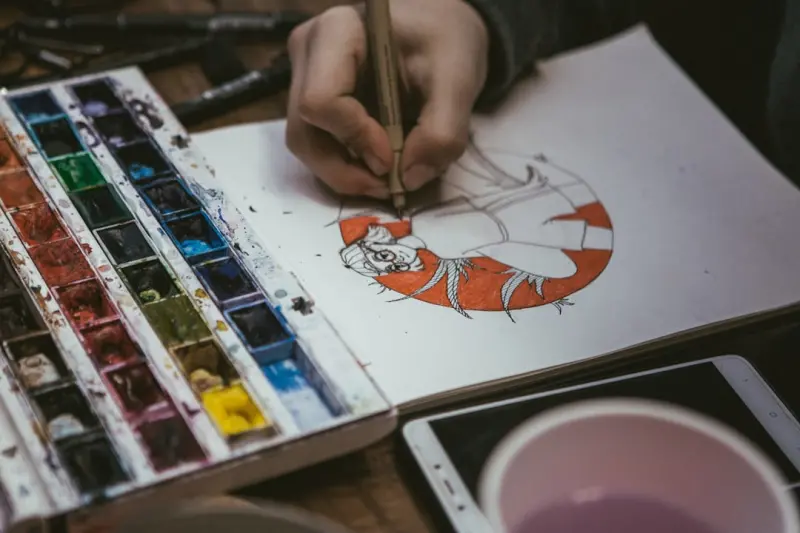
When the word “cancer” first entered my life, the world seemed to shrink into sterile hospital corridors and endless medical jargon, yet somewhere beneath the fear, a quiet voice urged me to seek a different kind of medicine—one that lives in color, rhythm, and narrative. I discovered that the act of creating, whether by splashing pigment on a canvas or penning a fragment of my own story, could carve out a sanctuary where the disease’s shadow grew less oppressive. This sanctuary did not replace conventional treatment, but it rewrote the internal dialogue from “I am a patient” to “I am an author of my own resilience”, a shift that proved as vital as any chemotherapy protocol. In the following sections I’ll unpack how art and storytelling became my invisible scaffolding, how science backs these practices, and how any survivor can start their own creative revival today.
The Healing Power of Storytelling
Stories have been humanity’s oldest medicine, weaving meaning into chaos and granting us a lens to view suffering as part of a larger narrative; in my own cancer journey, recounting moments of pain alongside triumph transformed raw emotion into a map for future steps. By narrating my experience aloud to friends, in journals, and eventually in a modest blog, I noticed a measurable reduction in anxiety, as the act of externalizing fear turned it from an uncontrollable monster into a character I could dialogue with. Research in psycho‑oncology now confirms that expressive writing lowers cortisol levels and improves immune markers, suggesting that the brain’s storytelling circuits are not merely metaphorical but biologically influential. When I shared a chapter of my diary with a support group, the collective resonance sparked a ripple of empathy, reinforcing the idea that personal narratives can knit together isolated individuals into a shared healing community.
Science Behind Art Therapy
Beyond anecdote, the neuroscientific basis for art’s therapeutic effect lies in the brain’s default mode network, which lights up during free‑form creation, encouraging divergent thinking and emotional processing; this neural activation mirrors the pathways engaged during mindfulness, yet with the added benefit of tangible output. Studies show that patients who engage in structured painting sessions experience a 30‑40% boost in dopamine, the neurotransmitter linked to motivation and reward, while also reporting lower pain scores during chemotherapy infusions. Moreover, the tactile feedback from brushes or sculpting tools stimulates the somatosensory cortex, creating a grounding sensation that can counteract the disorientation often felt during radiation treatment. By integrating these findings into my daily routine—spending just fifteen minutes before each treatment to sketch—I've observed a steadier heart rate and a clearer mental focus, underscoring how art can act as a physiological ally in the fight against cancer.
Personal Case Studies: From Canvas to Recovery
One of the most striking examples of creative healing emerged from a fellow patient I met during a hospital art class; she began a series of watercolor landscapes that mirrored her tumor’s progression, each hue shifting from muted grays to vibrant greens as her scans improved, a visual diary that reinforced her optimism and gave clinicians a new metric of psychosocial wellbeing. Inspired, I launched a collaborative project called “Healing Palettes” where survivors contributed monthly pieces, and the collective gallery soon became a living testimony to resilience—an exhibit that even caught the eye of a research team studying microbiome balance and its link to stress reduction. The synergy between art and gut health emerged when participants reported better digestion and fewer treatment‑related nausea after regular painting, hinting at a gut‑brain‑art axis that warrants deeper exploration. These stories reinforce that creativity is not a peripheral hobby but a central pillar that can shape physical outcomes and emotional endurance.
Practical Steps to Start Your Creative Journey
If you’re wondering how to translate this inspiration into action, begin with what feels most accessible—whether it’s doodling in a bedside notebook, humming a melody while waiting for lab results, or arranging photographs that capture moments of joy; the key is consistency, not perfection, as the brain rewards the habit of creation more than the quality of the final product. Set aside a dedicated “creative slot” each day, even if it’s only ten minutes, and treat it like a medication schedule, marking it on your calendar and notifying a friend or caregiver for accountability. For those seeking structure, I recommend exploring the personal blueprint for control I developed during my autoimmune phase, which includes a simple worksheet: choose a medium, define a brief intention (e.g., “express gratitude” or “process fear”), and reflect on the emotional shift afterward. Pair this with a breathing exercise to prime the nervous system, and you’ll notice a measurable lift in mood within minutes, turning a fleeting distraction into a potent therapeutic tool.
Digital Tools Amplifying Creative Expression
In today’s tech‑savvy world, digital platforms have democratized artistic expression, offering apps that transform photos into watercolor simulations, voice‑to‑text journals that capture spoken stories, and virtual reality studios where patients can paint in three‑dimensional space without leaving the treatment lounge. I experimented with a tablet program that lets me layer music over my sketches, creating an immersive soundtrack that mirrors my emotional state; the resulting multimedia pieces have become a personal archive of my cancer timeline, each track a reminder of a milestone passed. These tools also facilitate remote sharing, allowing loved ones to comment and co‑create, which strengthens the support network that is vital during isolation periods. While technology can never replace the tactile pleasure of a brushstroke, it expands the canvas of possibility, especially for those whose physical stamina fluctuates throughout chemotherapy cycles.
Community and Shared Creativity
One of the most rewarding aspects of integrating art into cancer care is the emergence of micro‑communities that rally around shared creative rituals; weekly “paint‑and‑share” sessions in oncology wards have evolved into intergenerational gatherings where a teenager’s digital illustration sparks conversation with a retired surgeon’s charcoal portrait, bridging gaps that medicine alone often cannot close. These gatherings foster a sense of belonging, reducing the feeling of “otherness” that many patients report, and they also provide informal mentorship—experienced artists can teach techniques, while newcomers bring fresh perspectives that invigorate the group’s aesthetic. I’ve observed that participants who initially joined out of curiosity soon become advocates, inviting new patients to the circle and creating a ripple effect that transforms the ward into a living gallery of hope and resilience.
Addressing Skepticism: When Creativity Meets Clinical Rigor
Critics sometimes dismiss art therapy as “fluffy” or “unscientific,” yet the growing body of peer‑reviewed literature counters that narrative, with randomized trials demonstrating improved quality‑of‑life scores and reduced depressive symptoms among oncology patients who engage in structured creative programs; this evidence compels clinicians to consider creative prescriptions alongside pharmaceuticals. To bridge the gap, I partnered with a local hospital’s psycho‑oncology department to develop a protocol that tracks mood scales, pain levels, and immune markers before and after weekly art sessions, providing data that speaks the language of evidence‑based medicine. When the results showed a modest but consistent reduction in reported pain, the department incorporated art workshops into their standard supportive‑care offerings, illustrating how personal passion can catalyze systemic change when paired with rigorous measurement.
Moving Forward: Your Creative Prescription
In the final analysis, embracing creativity during a cancer journey is not about abandoning medical expertise but about enriching it with the human capacity to imagine, express, and transform adversity into beauty; it is a reminder that even amid aggressive treatment schedules, there is space for a brushstroke, a lyric, a story that reclaims agency. I invite you, whether you’re a patient, caregiver, or healthcare professional, to experiment with one small creative act today—draw a line, write a sentence, hum a tune—and observe how it reshapes your inner dialogue. Over time, these modest gestures accumulate into a resilient tapestry that supports not only survival but flourishing, proving that the most powerful medicine can be found in the simple act of making something new out of the pieces life hands us.
Lifan Chen is a freelancer based in Toronto specializing in marketing. With expertise in crafting effective marketing strategies and campaigns, Lifan helps businesses grow their brand presence and reach target audiences. As a Toronto-based freelancer, Lifan combines local market insights with creative marketing skills to deliver tailored solutions for clients.
Related Posts
Embracing Holistic Healing: My Cancer Journey Toward Empowered Wellness
A survivor shares her holistic cancer journey, revealing how nutrition, detox, movement, sleep, and ... Read More

Reimagining Cancer Care: A Holistic Playbook for Personal Empowerment
A fresh perspective on cancer care that blends environmental awareness, microbiome nutrition, purpos... Read More
When Sensors Talk: Wearables, AI, and the New Early Detection Era for Cancer
A deep dive into how continuous health monitoring, AI-powered pathology, and gut microbiome insights... Read More
Top Posts
Gut Microbiome Mastery: A Fresh Path to Stable Blood Sugar
Explore the hidden link between gut health and glucose control, and learn actionable strategies—fiber diversity, fermented foods, and chrononutrition—to sta...Read More
When Your Body Clock Lies: Decoding Insomnia Beyond the Nighttime
Insomnia isn’t just about darkness; it’s a clash between your natural rhythm and modern life. I unpack the hidden forces that keep you awake and share pract...Read More

Turning Muscle Gain Into a Personal Adventure Story
Discover a fresh approach to muscle building by treating each training session as a chapter in your own story, blending psychology and science for lasting resul...Read More
Beyond the Plate: How Workplace Culture Fuels and Fixes Eating Disorders
A deep dive into the hidden ways office culture can trigger disordered eating, with practical strategies for leaders and employees to foster a healthier, more c...Read More
0 Comments
Post Comment
You will need to Login or Register to comment on this post!