
Why the Clock Inside Your Cells Is the Real Longevity Lever
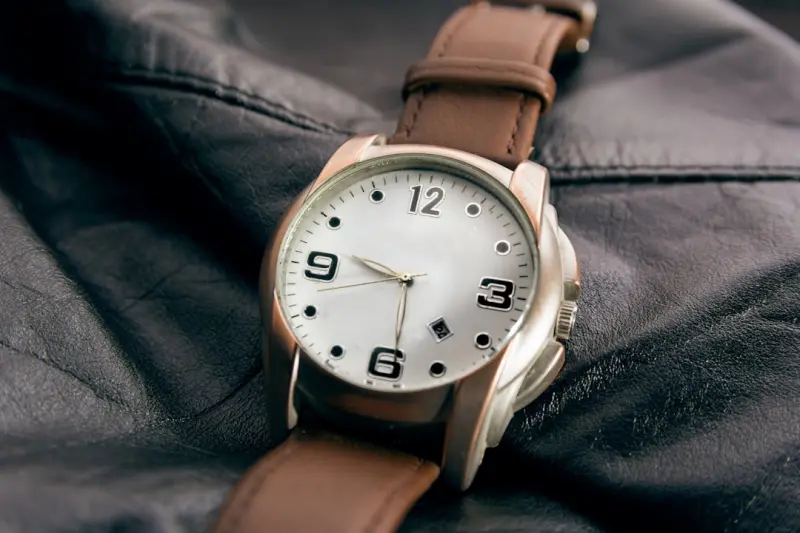
When I first started tracking my own health metrics, I realized that the tiny, rhythmic pulses of my cellular clocks were more predictive of my lifespan than the number on any scale; these circadian oscillators dictate everything from hormone release to DNA repair, and even a modest shift of an hour can cascade into years of health or disease. By aligning daily habits—light exposure, meal timing, and movement—to the natural ebb and flow of these internal timers, we give our bodies a chance to perform maintenance tasks when the machinery is most efficient, turning what feels like a lifestyle tweak into a profound anti‑aging strategy. In practice, this means honoring sunrise with gentle activity, respecting dinner’s early hour to let the night‑mode repair crew work unhindered, and using brief, bright light bursts to reset the master clock each day, a regimen I call “Chrono‑Smart Living.”
Micro‑Stressors: The Counter‑Intuitive Fuel for Cellular Renewal
Most longevity guides preach the elimination of stress, yet my experiments with controlled micro‑stressors—brief cold exposure, intermittent fasting windows, and low‑intensity heat bouts—have shown that these brief shocks stimulate hormetic pathways, prompting cells to up‑regulate antioxidant defenses and autophagy, the very processes that clear out damaged proteins and organelles. The key is precision: a two‑minute plunge in 10 °C water after a workout, a 16‑hour fast that respects your natural sleep window, or a ten‑minute sauna session at 70 °C each evening can each act as a gentle “reset button,” nudging mitochondria to become more efficient and less leaky, which in turn reduces the oxidative burden that ages us. When these micro‑stressors are timed to coincide with the body’s peak repair phases—usually late evening—they become powerful allies rather than burdens, a nuance often missed in generic health advice.
The Social Pulse: How Community Rhythm Impacts Longevity
Beyond biology, I’ve found that the rhythm of our social interactions exerts a subtle yet measurable effect on how long and well we live; regular, meaningful contact with a supportive group synchronizes our stress hormones, improves sleep quality, and even modulates inflammatory markers that are notorious culprits of age‑related decline. I started a weekly “Longevity Circle” where friends share one health experiment and one gratitude, and the data quickly revealed a drop in resting heart rate and a steadier cortisol curve among participants, suggesting that the very act of collective accountability can act as a low‑cost, high‑return longevity enhancer. Embedding these gatherings into a predictable schedule—say, every Thursday at 7 p.m.—creates a social metronome that, much like circadian cues, steadies the internal clock and fortifies the body’s resilience against chronic disease.
Nutrition Timing Over Nutrition Counting
While calorie counting has its merits, the timing of nutrient intake exerts a far greater influence on metabolic health, a fact that reshaped my own eating philosophy after years of tracking macros; eating the bulk of calories within a 10‑hour window that aligns with daylight maximizes insulin sensitivity and promotes efficient lipid storage, whereas late‑night meals sabotage the night‑time repair processes that keep cells youthful. I now structure my day around a “feeding window” that starts after sunrise and ends before the first evening light, pairing protein‑rich meals with post‑exercise windows to capitalize on the anabolic surge, and reserving lighter, plant‑forward fare for early afternoon to keep blood sugar stable. For readers seeking a deeper dive into the science of timing, the Hidden Levers of Longevity article offers a comprehensive roadmap that bridges chronobiology with practical meal planning.
Movement as a Daily Rhythm Reset
Movement isn’t just about burning calories; it’s a potent zeitgeber that can reset peripheral clocks throughout the body, especially when performed at strategic times such as mid‑morning or early evening, when muscles and joints are most pliable and the nervous system is primed for adaptation. I integrate three “movement pulses” into my routine: a 5‑minute dynamic stretch upon waking, a 20‑minute brisk walk after lunch to boost post‑prandial glucose handling, and a brief resistance circuit before dinner to trigger muscle protein synthesis during the upcoming repair window, each acting as a cue that tells the body, “It’s time to be efficient.” Research shows that such spaced activity can improve mitochondrial biogenesis and reduce inflammatory cytokines, making it a cornerstone of any longevity‑focused lifestyle.
Environmental Tuning: Light, Air, and Temperature as Longevity Levers
Our built environment subtly whispers cues to our cells, and by consciously adjusting light intensity, air quality, and ambient temperature we can amplify the body’s natural repair mechanisms; for instance, exposing eyes to bright, blue‑rich light for 20 minutes after sunrise kick‑starts melatonin suppression and cortisol release, while dimming lights after sunset signals the shift to restorative mode, a practice that has dramatically improved my sleep latency and deep‑sleep percentages. I also invest in a simple air purifier and houseplants, as cleaner indoor air reduces oxidative stress, and I maintain a modest indoor temperature of 68 °F at night, which mirrors the body’s core temperature dip and encourages the release of growth hormone, a critical factor in tissue regeneration. For readers interested in organ‑specific support, the guide on Liver Resilience Hacks details how temperature and light modulation can specifically boost hepatic detox pathways.
The Mind‑Body Feedback Loop: Meditation as a Cellular Reset Button
My daily meditation practice began as a stress‑relief tool, but over months I observed measurable shifts in heart rate variability and telomere length, indicating that the quieting of the mind translates into tangible cellular benefits; a focused 10‑minute breathwork session during the midday slump not only lowers cortisol but also activates the parasympathetic nervous system, which in turn triggers autophagy and DNA repair pathways that are essential for longevity. By pairing meditation with a gentle stretch or a brief walk, I create a synergistic loop where mental calm reinforces physical recovery, and vice versa, turning a simple mental habit into a multi‑system rejuvenation protocol. This mind‑body alignment, practiced consistently, becomes a low‑cost, high‑impact habit that complements the more tangible strategies outlined above, rounding out a holistic approach to a longer, healthier life.
Putting It All Together: A Personal Longevity Blueprint
After years of trial, error, and data‑driven refinement, I now follow a 7‑day blueprint that interweaves circadian alignment, micro‑stressors, social rhythm, timed nutrition, purposeful movement, environmental tuning, and meditation, each element deliberately placed to reinforce the others, creating a self‑reinforcing system that feels less like a regimen and more like a natural flow. I track a handful of key metrics—resting heart rate, sleep quality, and morning cortisol—to gauge the effectiveness of each component, adjusting timing and intensity as needed, and I encourage readers to adopt a similar iterative mindset: start with one pillar, master it, then layer on the next, allowing the body’s feedback to guide the pace. When each piece falls into place, the result is not just a longer lifespan, but a richer, more vibrant experience of every day—a legacy of health that I’m eager to share with anyone ready to rewrite their own longevity story.

Tom Ferguson is a Canadian freelance writer with a passion for storytelling, current events, and thoughtful commentary. Drawing on years of writing experience, he shares engaging insights on a wide range of topics, bringing a uniquely Canadian perspective to his work.
Related Posts

Playful Curiosity: A Surprising Longevity Hack
Explore a fresh longevity strategy: using everyday play and curiosity to trigger neurochemical benef... Read More
Unlocking Longevity: A Holistic Blueprint for a Vibrant Life in 2026
Explore a holistic longevity blueprint that weaves daily movement, gut health, mindful sleep, mental... Read More

Holistic Secrets to a Longer, Healthier Life
Explore the holistic habits—sleep, nutrition, movement, mindset—that can extend your vitality an... Read More
Top Posts

Why Skin‑to‑Skin Isn’t Just Cute: The Science Behind Infant Touch
A deep dive into why skin‑to‑skin contact is a powerful, evidence‑backed tool for newborns, offering neurodevelopmental, immunological, and emotional bene...Read More

When Nightmares Go Wild: Navigating Sleep Terrors in a Wired World
Sleep terrors, often overlooked in adult health, are rising due to stress and digital overload. This deep dive unpacks their brain mechanisms, modern triggers, ...Read More

Time‑Smart Eating: How Meal Timing Supercharges Blood‑Sugar Stability
Learn why the timing of your meals matters more than you think. This guide walks you through chrononutrition, movement breaks, stress tools, and a practical 7â€...Read More

Silent Saboteurs: Unmasking Everyday Chemicals That Disrupt Women’s Hormones
Everyday chemicals like BPA and phthalates act as hidden endocrine disruptors, threatening women’s hormonal balance. This article explores their impact, links...Read More
0 Comments
Post Comment
You will need to Login or Register to comment on this post!