

Why Fermentation Matters
When I first learned that my blood sugar was hovering in the prediabetic range, I felt like I was staring at a looming deadline with no clear roadmap. The breakthrough came when I started exploring the gut microbiome—the bustling community of trillions of microbes that silently influence our metabolism, inflammation, and even mood. Research shows that a diverse, balanced gut flora can improve insulin sensitivity, and the simplest way to nurture that diversity is through fermented foods, which act as both fuel and friendly ambassadors for beneficial bacteria.
Delving deeper, I discovered that the lactic acid bacteria in sauerkraut, kimchi, and kefir produce short‑chain fatty acids that directly communicate with liver cells, prompting them to burn glucose more efficiently rather than store it as fat. This metabolic dialogue reduces the spikes that keep pushing prediabetic markers higher, creating a gentler, more sustainable rhythm for blood sugar. In practice, incorporating a handful of fermented bites each day feels like giving your body a tiny, daily reset button—one that quietly recalibrates the way you process carbs without demanding drastic diet overhauls.
What truly cemented my belief was seeing the synergy between gut health and liver function, two organs that often get blamed separately for blood‑sugar woes. By pairing fermented foods with the liver health hacks I’d already been experimenting with, my fasting glucose slipped lower and my energy stayed steadier throughout the afternoon. It’s a reminder that prediabetes isn’t a single‑issue problem; it’s a conversation between organs, microbes, and lifestyle choices—all of which can be nudged toward harmony with the right foods.
Everyday Fermented Foods to Add to Your Plate
Integrating fermented foods into a busy schedule doesn’t require a culinary degree—just a few staple items that sit quietly in the fridge or pantry, ready to boost your gut without extra prep time. Kimchi, with its spicy cabbage base, adds a punch of probiotics and vitamin C; plain kefir offers a drinkable dose of lactobacilli and calcium; and a modest serving of unsweetened kombucha delivers a fizzy, antioxidant‑rich alternative to sugary sodas. For those who prefer something solid, a spoonful of miso paste in soups or dressings supplies umami flavor and beneficial enzymes, while a slice of aged cheese like Gouda or cheddar introduces beneficial cultures that survive the aging process.
- Kimchi (1‑2 tablespoons per meal)
- Kefir (½ cup as a snack or smoothie base)
- Kombucha (8‑oz serving, low‑sugar)
- Miso (1‑2 teaspoons in broth or vinaigrette)
- Aged cheese (¼‑cup shredded)
- Sauerkraut (¼ cup as a side)
For those who love a little culinary adventure, starting a simple batch of homemade sauerkraut can be as easy as shredding cabbage, sprinkling salt, and letting it ferment in a jar for a week. The process not only yields a tangy, crunchy topping for tacos or salads, but also gives you control over sodium and flavor profiles—crucial for anyone monitoring blood sugar. And if you’re curious about timing your meals for optimal glucose control, the insights in meal timing strategies can help you pair fermented snacks with carbs in a way that blunts post‑meal spikes.
Putting It All Together: A Simple 7‑Day Fermented Food Plan
To make the transition feel effortless, I mapped out a week‑long plan that weaves fermented foods into three main meals and two snacks, ensuring you never feel deprived while still reaping the microbiome benefits. On Monday, start with a kefir‑based smoothie for breakfast, add a side of kimchi to lunch’s grilled chicken, and finish dinner with a miso‑glazed salmon; Tuesday swaps the kimchi for sauerkraut alongside a veggie stir‑fry, while the evening snack returns to kefir. By rotating these options, you keep flavors fresh and your gut bacteria constantly engaged.
- Day 1: Kefir smoothie, kimchi side, miso‑glazed salmon
- Day 2: Yogurt parfait (plain Greek), sauerkraut with pork, kombucha after dinner
- Day 3: Kefir latte, kimchi tacos, aged cheese snack
- Day 4: Miso soup breakfast, sauerkraut slaw, kefir after workout
- Day 5: Kombucha morning, kimchi fried rice, miso dressing on salad
- Day 6: Yogurt bowl, fermented pickles with sandwich, kefir dessert
- Day 7: Miso‑marinated tofu, sauerkraut on a grain bowl, kombucha evening
Tracking your blood‑sugar response to each day’s lineup can be eye‑opening; I kept a simple log noting fasting glucose, post‑meal readings, and how energetic I felt. Within a fortnight, the data mirrored the anecdotal uplift—I saw steadier glucose curves and fewer afternoon crashes. The key is consistency, not perfection; even a single fermented serving a day can tip the scales toward better insulin sensitivity, especially when paired with the meal timing principles highlighted earlier.
In the end, the journey from prediabetes to metabolic confidence is less about radical restrictions and more about inviting tiny, friendly allies into your daily routine. Fermented foods are cheap, versatile, and scientifically backed, making them a low‑effort, high‑reward strategy for anyone looking to reset their glucose narrative. So, grab a jar of kimchi, pour a glass of kefir, and let your gut do the heavy lifting—your future self will thank you for the flavorful, health‑forward choices you make today.

Becky Putman is an Ottawa-based freelance writer and marketing professional with a passion for storytelling, animals, and community involvement. She enjoys creating engaging content that informs, inspires, and connects with readers.
Related Posts
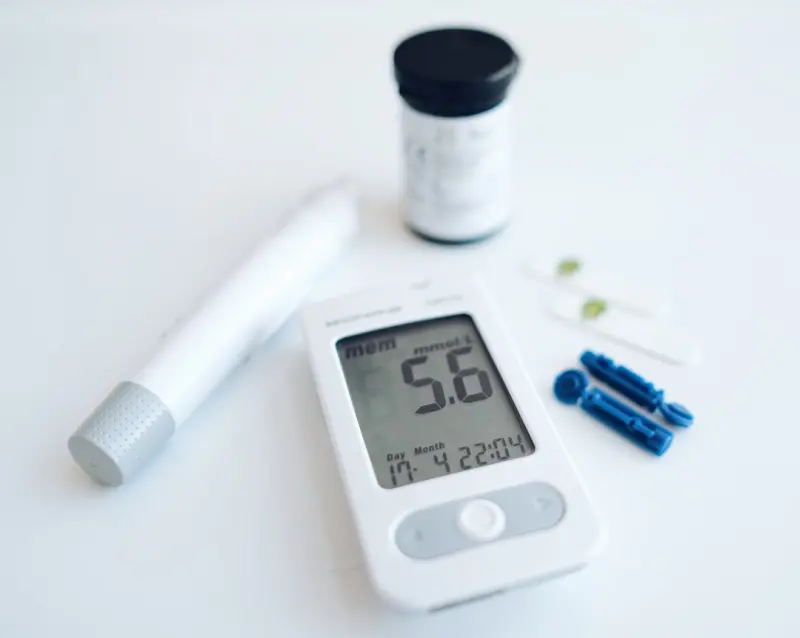
Reprogramming Prediabetes: Small Data‑Driven Steps for Big Metabolic Gains
Discover a science‑backed, step‑by‑step plan that uses meal timing, continuous glucose monitor... Read More

Rethinking Prediabetes: From Warning Sign to Lifestyle Pivot
Prediabetes isn’t a permanent label but a dynamic signal. This post offers a holistic, adaptive li... Read More
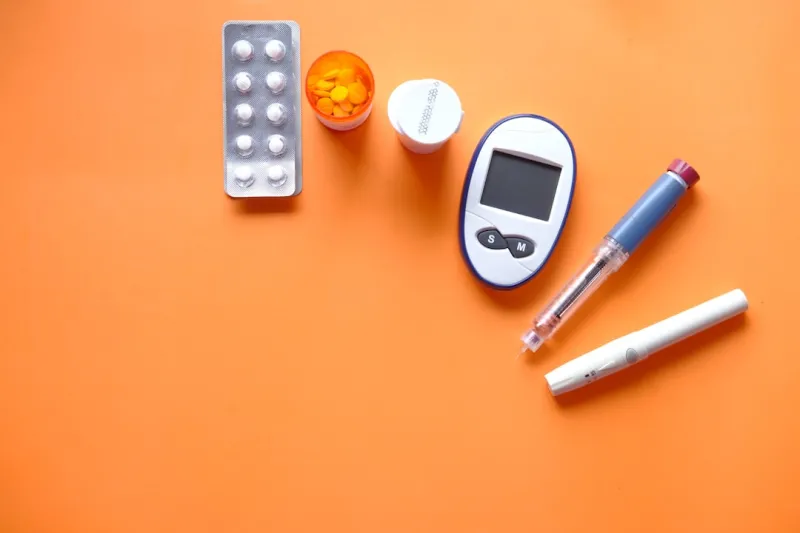
Turning Prediabetes into a Catalyst for Whole‑Body Wellness
A personal, holistic guide shows how to turn a prediabetes warning into a roadmap for lasting health... Read More
Top Posts

How Real‑Time Data Can Spot the Hidden Signals of Disordered Eating
A deep dive into how wearable technology, data analytics, and peer‑driven feedback can identify subtle physiological cues that signal emerging eating‑disord...Read More
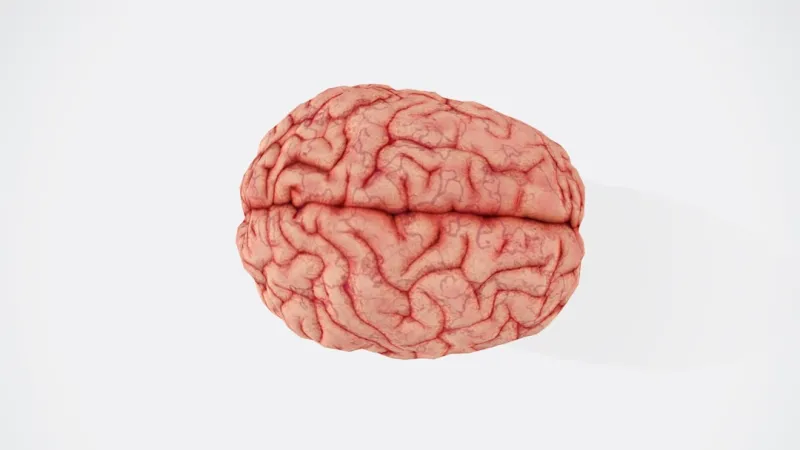
The Gut-Brain Connection: Unlocking the Secrets to Optimal Gut Health
The gut-brain connection is a critical aspect of our overall health and wellbeing. Learn how to support optimal gut health through a holistic approach....Read More
The Age‑Defying Power of Everyday Curiosity
Curiosity isn’t just a mental pastime; it’s a neuro‑biological catalyst that supports cognitive, physical, and social health, making it a potent yet affor...Read More

Sleep Your Way Out of Prediabetes: Nighttime Strategies for Better Blood Sugar
Learn why sleep is a hidden lever for blood sugar control and get actionable nighttime routines, from screen curfews to micro‑movement stretches, to help reve...Read More
0 Comments
Post Comment
You will need to Login or Register to comment on this post!