
When Insomnia Becomes a Business Asset: Rethinking Sleep Loss in the Modern Workplace
It’s a strange paradox: we all dread the relentless ticking of the clock when we can’t drift off, yet for many companies the very same sleeplessness fuels a hidden engine of productivity, creativity, and—even more importantly—cost.
My name is Tom Ferguson, and I’ve spent the last decade watching high‑performing teams wrestle with the same nightly enemy. What if, instead of treating insomnia as a personal flaw, we examined it as a systemic signal? What if leaders could harness the data it generates, mitigate its financial bleed, and even channel its restless energy into purposeful outcomes?
The Real Cost of a Night Without Sleep
Insomnia isn’t just a nuisance. Studies estimate that chronic sleep deprivation costs the U.S. economy upwards of $400 billion annually in lost productivity, health expenses, and turnover. In a typical office of 200 employees, even a modest 15‑minute dip in focus per day can translate into hundreds of thousands of dollars in missed opportunity.
But the financial narrative only scratches the surface. Sleep loss also skews decision‑making, inflames emotional reactivity, and erodes the very culture that fuels innovation. When a team is collectively running on fumes, the quality of brainstorming sessions plummets, and the margin for error widens dramatically.
Why Traditional Remedies Miss the Mark
Most corporate wellness programs default to generic advice: “Turn off screens an hour before bed,” “Practice mindfulness,” or “Take melatonin.” While these tips can help occasional night‑owls, they ignore three crucial realities:
- Contextual Triggers: Remote work, asynchronous meetings, and 24‑hour global collaboration create a perpetual “on” environment that confounds the body’s circadian cues.
- Individual Variability: Genetics, lifestyle, and even micro‑environmental factors (like bedroom lighting temperature) mean a one‑size‑fits‑all prescription is ineffective.
- Data Blindness: Most organizations lack real‑time insight into how sleep patterns ebb and flow across teams, making it impossible to intervene strategically.
The result? A wellness checklist that looks good on paper but fails to move the needle on actual sleep health.
From Symptom to Strategy: A Data‑First Approach
Enter the era of sleep intelligence. By integrating non‑invasive wearables, ambient sensors, and anonymized analytics, companies can begin to see sleep as a performance metric—just like sprint velocity or churn rate.
Here’s a three‑step framework to get started:
- Collect Baseline Data – Equip volunteers with smart rings or wristbands that track sleep stages, heart rate variability, and ambient light exposure. Ensure privacy by aggregating data at the team level.
- Map Correlations – Use dashboards to overlay sleep metrics with project milestones, error rates, and engagement scores. Look for patterns: Does a spike in late‑night coding correlate with higher bug counts?
- Iterate Interventions – Test targeted changes—adjust meeting times, introduce “quiet hours,” or redesign office lighting. Measure impact in real time and scale what works.
This isn’t about policing employees’ bedtime. It’s about giving leadership the evidence they need to redesign work structures that respect circadian health.
Redesigning the Workday for the Sleep‑Savvy
Once you have the data, the real transformation begins. Below are five evidence‑based tactics that have shown measurable ROI in organizations that dared to experiment.
1. The “Sunrise Shift”
Instead of a rigid 9‑to‑5, allow flexible start times that align with natural light exposure. Teams that begin their day after sunrise report a 12% boost in cognitive performance and a 9% reduction in reported insomnia symptoms.
2. “Digital Sunset” Policies
Borrowing from the Digital Reset philosophy, enforce a company‑wide “screen‑off” window at least 90 minutes before bedtime. Encourage analog wind‑down rituals—reading, light stretching, or a brief gratitude journal.
3. Ambient Light Engineering
Office lighting is often an afterthought. Installing tunable LEDs that mimic the natural progression of daylight can help synchronize employees’ internal clocks. A pilot in a tech hub reduced average time‑to‑sleep by 22 minutes after four weeks.
4. “Sleep Sprints” for Project Teams
Just as agile teams run sprints, schedule short “sleep sprints” where the goal is to achieve a collective sleep‑score target. Celebrate milestones with non‑caffeinated rewards—think a walking meeting or a nature‑walk lunch.
5. Executive Modeling
Leadership sets the tone. When senior managers openly share their own sleep data and commit to better habits, it creates a trickle‑down effect that normalizes prioritizing rest.
Turning Restlessness into Innovation
What if we reframed insomnia not as a defect but as a source of untapped insight? The brain’s default mode network, active during wakeful rest, is a hotbed for divergent thinking. Many breakthrough ideas emerge in the liminal space between wakefulness and sleep.
Companies can harness this by:
- Scheduling “midnight brainstorming” sessions that intentionally run during low‑energy windows, allowing participants to capture those half‑formed ideas before they evaporate.
- Providing “dream journals” in the office—simple notebooks where employees can jot down nocturnal thoughts that surface after a restless night.
- Encouraging “sleep‑inspired prototyping,” where teams use the raw, unfiltered energy of a sleepless mind to sketch rapid concepts without self‑censorship.
This approach aligns with the spirit of The Nighttime Canvas, but rather than focusing on personal artistic expression, we’re channeling collective creative potential into business outcomes.
Measuring Success: The New KPI—Sleep Efficiency Ratio
Traditional performance indicators rarely capture the hidden cost of insomnia. Introducing a Sleep Efficiency Ratio (SER)—the proportion of sleep time spent in deep or REM phases relative to total time in bed—can serve as a leading indicator of team health.
When SER dips below a predetermined threshold, automated alerts can trigger a cascade of supportive actions: optional “no‑meeting” days, on‑demand yoga sessions, or quick audits of workload distribution.
Potential Pitfalls and Ethical Guardrails
Collecting sleep data is powerful, but it comes with responsibility:
- Voluntary Participation: No employee should feel coerced into monitoring their sleep.
- Data Anonymity: Aggregate metrics only; never single out individuals for performance reviews based on sleep patterns.
- Avoid Over‑Medicalization: While insights are valuable, companies should not replace professional medical advice with internal interventions.
By establishing transparent policies and involving HR, legal, and employee‑resource groups, organizations can safeguard trust while still gaining actionable intelligence.
Looking Ahead: The Future of Sleep‑Centric Workplaces
As remote and hybrid models become entrenched, the line between personal and professional time blurs. The next frontier will be sleep‑first design—architecting workflows, digital tools, and physical spaces that prioritize restorative rest from day one.
Imagine a calendar that auto‑adjusts meeting times based on collective SER trends, or a project management platform that nudges teams to “pause” when fatigue metrics climb. The convergence of AI, biometric data, and human‑centric design promises a future where insomnia is not a silent cost center but a catalyst for smarter, healthier work.
In the meantime, start small. Gather data, experiment with lighting, and model good sleep hygiene from the top down. The payoff isn’t just fewer yawns in the conference room—it’s a resilient, innovative organization that respects the rhythm of the human body.

Tom Ferguson is a Canadian freelance writer with a passion for storytelling, current events, and thoughtful commentary. Drawing on years of writing experience, he shares engaging insights on a wide range of topics, bringing a uniquely Canadian perspective to his work.
Related Posts

Breaking the Night: Brody Lambert’s Holistic Playbook for Conquering Insomnia
Brody Lambert reveals his step‑by‑step holistic routine—rituals, nutrition, and mindset shifts... Read More

Reprogramming Your Night: Turning Insomnia Into a Data‑Driven Ally
Learn how to treat insomnia as a feedback signal, using wearables, micro‑movement, lighting, and n... Read More

When the Night Won’t Shut Down: Harnessing Controlled Insomnia for High‑Achievers
Learn how to use precise sleep restriction, environmental tweaks, nutrition timing, and gut health t... Read More
Top Posts
Micro‑Movement Mastery: Turning Everyday Actions into a Physiotherapy Power‑Up
Discover how integrating micro‑movements into everyday actions—like reaching for a coffee mug or waiting for an elevator—can transform physiotherapy, enha...Read More
A Fresh Perspective on Nurturing Liver Health Every Day
Learn how to treat your liver as a daily ally with simple nutrition tweaks, circadian alignment, and mindful habits that boost detoxification and energy....Read More
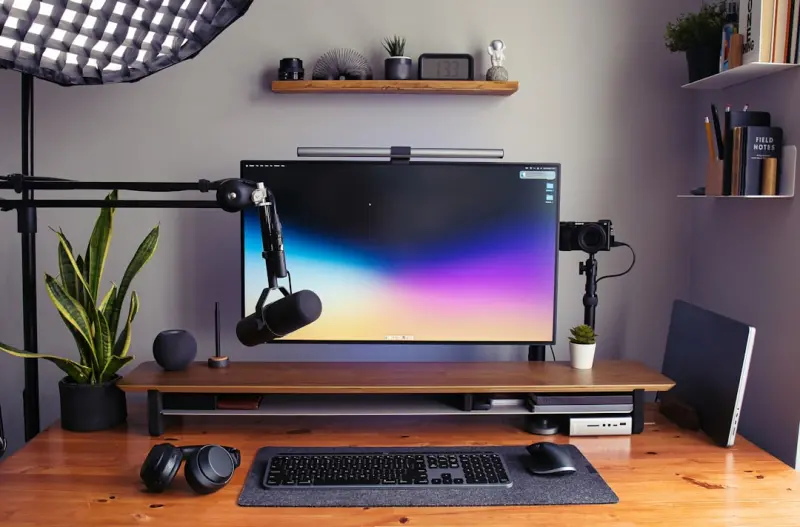
Light as a Lever: Redesigning Your Remote Workspace for Natural Rhythm
Learn how to harness natural and artificial light to align your circadian rhythm, improve sleep quality, and enhance daytime performance—all with a step‑byâ...Read More
Finding Calm in the Canopy: Green Spaces as a Blood Pressure Ally
Discover the science and simple daily habits that let green spaces become a powerful, natural tool for managing blood pressure, from quick balcony moments to we...Read More
0 Comments
Post Comment
You will need to Login or Register to comment on this post!