
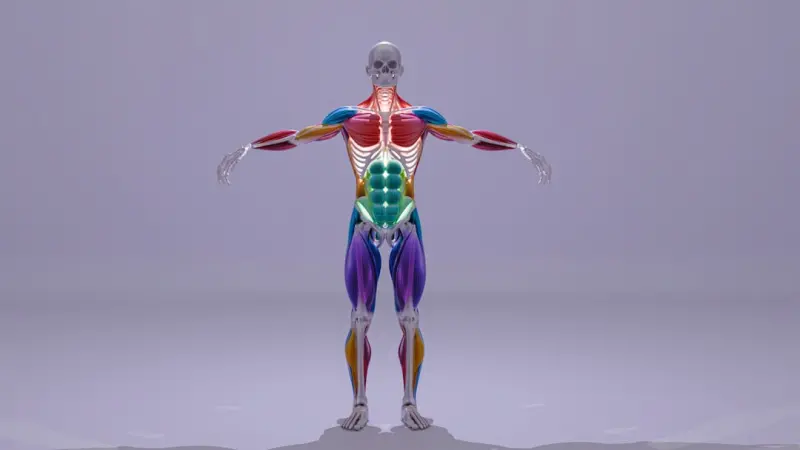
Why AI Is the Next Game‑Changer in Physiotherapy
When I first stepped into a clinic armed with nothing more than a notepad and a keen eye for movement, I never imagined that a few years from now my daily routine would involve training algorithms to “see” the same patterns I once only felt. The physiotherapy landscape is shifting under our feet, and the catalyst is artificial intelligence (AI). From real‑time motion capture to predictive analytics that flag injury risk before it even manifests, AI is turning intuition into data‑driven insight.
From Subjective Observation to Objective Data
Traditionally, a therapist’s assessment hinges on visual observation, palpation, and patient‑reported outcomes. While these tools are invaluable, they are also limited by human perception and memory. AI‑enhanced video analysis now offers a layer of objectivity that complements our clinical expertise. By feeding thousands of movement clips into deep‑learning models, the system learns to identify subtle deviations—like a slight knee valgus during a squat—that even the most seasoned practitioner might miss.
What makes this breakthrough possible is the convergence of three technologies:
- Computer vision that tracks joint angles with millimeter precision.
- Wearable sensor suites that feed biomechanical data into the cloud.
- Machine‑learning algorithms that synthesize the data into actionable feedback.
The result? A digital twin of the patient’s musculoskeletal system that updates with every session, providing a living record of progress.
Personalized Treatment Plans at Scale
One of the biggest challenges in physiotherapy is tailoring interventions to each individual’s unique anatomy, lifestyle, and goals. AI solves this by analyzing patterns across vast datasets and recommending evidence‑based exercises that match a patient’s specific deficit. Imagine a system that, after a brief gait analysis, suggests a customized home‑exercise routine, predicts the optimal frequency for strength gains, and even adjusts the difficulty in real time based on performance metrics.
Because the recommendations are rooted in data from thousands of similar cases, therapists can confidently prescribe “precision rehab” without the trial‑and‑error that often prolongs recovery.
Bridging the Gap Between Clinic and Home
The pandemic accelerated the adoption of tele‑physio, but many clinicians struggled with maintaining hands‑on fidelity. AI‑powered platforms now fill that void. By using a patient’s smartphone camera, the software can evaluate movement quality, compare it to the therapist’s benchmark, and deliver instant corrective cues. This feedback loop ensures that patients don’t develop compensatory habits when exercising unsupervised.
For those who prefer a more tactile approach, hybrid models are emerging. A therapist conducts an initial in‑person evaluation, uploads the data to an AI system, and then monitors the patient’s home sessions remotely. The technology flags any deviations, prompting the therapist to intervene before the issue escalates.
Predictive Injury Prevention for Athletes and Active Professionals
Professional sports teams have long used performance analytics, but the integration of AI into physiotherapy is bringing that level of precision to everyday athletes and even office workers. By continuously monitoring joint load, muscular activation, and fatigue markers, AI can predict the likelihood of an injury in the coming weeks.
Take a runner who logs weekly mileage via a smartwatch. The AI model correlates that data with previous injury histories, muscle imbalances detected through periodic motion capture, and even external factors like sleep quality. If the risk score spikes, the system automatically schedules a preventive session, suggesting targeted mobility work or a temporary training modification.
Such proactive care not only keeps athletes on the field but also reduces long‑term healthcare costs—a win‑win for both players and insurers.
Enhancing Patient Engagement Through Gamification
Compliance has always been the Achilles’ heel of physiotherapy. When patients view exercises as chores, adherence drops. AI can turn rehabilitation into an engaging experience by integrating gamified elements that adapt to the user’s skill level.
Picture a virtual reality (VR) environment where a patient performs balance drills on a digital beam. The AI tracks performance, adjusts the difficulty, and rewards progress with points and achievements. Because the system learns the patient’s capabilities, the game remains challenging yet attainable, fostering intrinsic motivation.
While VR remains a niche tool, the underlying principle—using AI to tailor gamified feedback—can be applied across smartphone apps, web portals, and even smart TVs.
Data Privacy and Ethical Considerations
With great data comes great responsibility. The influx of biometric information raises legitimate concerns about privacy, consent, and algorithmic bias. It’s crucial for clinics to partner with vendors that adhere to stringent security standards (HIPAA, GDPR) and provide transparent explanations of how data is used.
Moreover, clinicians must stay vigilant against over‑reliance on algorithms. AI should augment—not replace—clinical judgment. The best outcomes arise when therapists interpret AI insights through the lens of their experience, patient preferences, and contextual factors.
Case Study: A Community Clinic’s AI Integration Journey
Last year, a mid‑size community physiotherapy practice decided to pilot an AI‑driven assessment tool. The clinic selected a platform that offered tech‑first physiotherapy blueprint for its seamless integration with existing EMR systems. Over a six‑month period, the clinic reported:
- A 30% reduction in average appointment length, as AI pre‑screened movement deficits.
- Improved patient satisfaction scores, with many noting the “instant feedback” during home exercises.
- Fewer missed appointments, thanks to predictive reminders generated by the system when risk scores rose.
Importantly, therapists highlighted that the AI’s visualizations helped them explain complex biomechanical concepts to patients, fostering a deeper collaborative relationship.
Integrating AI with Traditional Hands‑On Techniques
Some skeptics fear that AI will render manual therapy obsolete. In reality, the most effective clinics blend AI insights with hands‑on interventions. For example, after an AI assessment identifies a chronic thoracic spine restriction, a therapist can apply targeted mobilizations, then use the system to monitor post‑treatment range of motion. This feedback loop ensures the manual technique delivered the intended change, and it quantifies progress for both therapist and patient.
By documenting the outcomes of manual interventions, clinics can also contribute valuable data back into the AI ecosystem, continuously refining its predictive capabilities.
Future Outlook: From Reactive to Proactive Health Ecosystems
Looking ahead, the vision extends beyond isolated treatment sessions. Imagine a network where AI‑enabled physiotherapy data syncs with primary care, nutritionists, and mental health professionals, creating a holistic health profile. When a patient’s stress levels spike—detected via wearable heart‑rate variability data—the system could recommend gentle stretching routines to mitigate tension, while alerting the therapist to schedule a check‑in.
Such an interconnected model would shift physiotherapy from a reactive specialty to a proactive pillar of preventative health, aligning perfectly with the broader movement toward integrated care.
Getting Started: Practical Steps for Clinicians
If you’re intrigued but unsure where to begin, consider the following roadmap:
- Assess Your Needs: Identify the most time‑consuming assessments in your practice. These are prime candidates for AI augmentation.
- Choose a Scalable Platform: Look for solutions that integrate with your existing EMR and offer robust data security.
- Start Small: Pilot the AI tool with a specific patient cohort (e.g., post‑operative knee rehab) to gauge efficacy.
- Train Your Team: Ensure therapists understand how to interpret AI outputs and maintain their clinical autonomy.
- Collect Feedback: Use patient surveys and outcome measures to refine the integration process.
For inspiration on blending tech with everyday practice, check out this piece on movement‑based healing that showcases how simple adjustments can amplify the impact of digital tools.
Conclusion: Embrace the Partnership
The rise of AI in physiotherapy is not a threat to our profession; it’s an invitation to evolve. By embracing data‑driven insights while preserving the human touch that defines therapeutic care, we can accelerate recovery, prevent injury, and empower patients to take charge of their own health journeys. The algorithms may crunch the numbers, but it’s still the therapist who turns those numbers into meaningful, life‑changing outcomes.

Deb Roberts is a freelancer who writes on various subjects, bringing versatility and depth to her work. Alongside her broad writing expertise, she has a special passion for horses.
Related Posts
Physiotherapy’s Fresh Wave: Holistic Trends Shaping the Future
Explore the newest holistic trends in physiotherapy, from tele‑rehab to gut health integration, an... Read More

Rewilding Rehabilitation: How Outdoor Play Revitalizes Physiotherapy
Physiotherapist Jessica Hall explores the untapped power of outdoor, play‑focused rehabilitation, ... Read More

Level‑Up Rehab: How Virtual Reality Gaming Is Transforming Physiotherapy
Virtual reality is reshaping physiotherapy by turning exercises into immersive games, offering preci... Read More
Top Posts
Understanding Prediabetes: A Wake-Up Call for a Healthier Lifestyle
Prediabetes is a condition that affects millions of people worldwide, often without them even realizing it. Learn how to reverse prediabetes and reduce your ris...Read More

Embracing Healthy Aging in 2026: A Holistic Playbook for Longevity
A personal, holistic roadmap for thriving in later years—covering nutrition, exercise, sleep, mindset, and community to boost longevity and vitality....Read More

Pregnancy Meets the Gig Economy: How to Future‑Proof Your Career and Family
A practical guide for expecting gig workers, covering financial buffers, operational flexibility, and health‑first strategies to ensure both career continuity...Read More

The Hidden Levers: How Everyday Environments Shape Blood Sugar Stability
Learn practical, science‑backed ways to tweak your workspace and home environment—light, sound, temperature, posture, and more—to naturally smooth blood s...Read More
0 Comments
Post Comment
You will need to Login or Register to comment on this post!