
Level‑Up Rehab: How Virtual Reality Gaming Is Transforming Physiotherapy
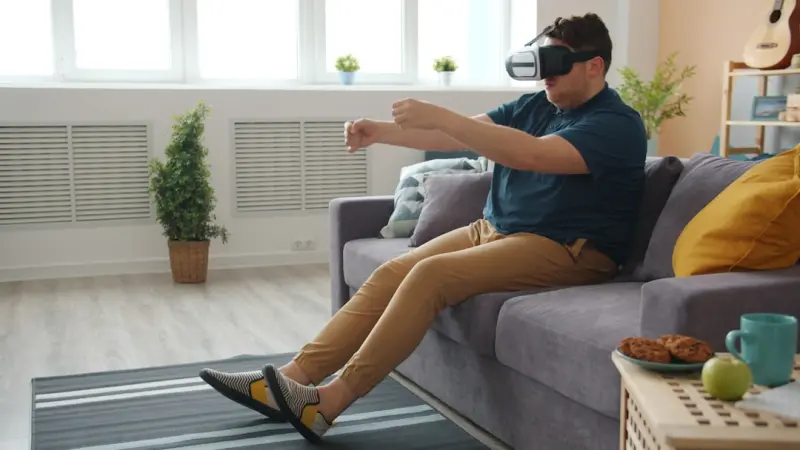
When I first walked into a physio clinic, the most high‑tech thing I could remember was the sleek, motorized treadmill that whirred beneath my feet. Fast‑forward a few years, and I’m now watching patients strap on a headset, wield a virtual sword, and squat in sync with a holographic avatar—all while we collect real‑time data on their movement patterns. It feels like something straight out of a sci‑fi novel, but it’s happening right now, and it’s reshaping the way we think about recovery.
Why VR? More Than Just a Fancy Distraction
Virtual reality (VR) isn’t just about dazzling graphics or escapism. In physiotherapy, it offers three core benefits that traditional exercises struggle to match:
- Immersive Engagement: Patients are less likely to “zone out” when they’re navigating a fantasy forest or dodging incoming projectiles. This sustained attention translates into higher repetitions and longer session times—two critical ingredients for neuro‑muscular re‑education.
- Precise Kinematic Feedback: Modern VR systems track joint angles, velocity, and force vectors with millimetric accuracy. That data can be visualized instantly, giving both therapist and patient a crystal‑clear picture of progress.
- Safe, Graded Exposure: Whether it’s re‑learning to step over obstacles after an ankle sprain or regaining balance after a stroke, VR environments can be calibrated to challenge patients just enough without risking re‑injury.
These advantages dovetail perfectly with the broader shift in physiotherapy toward movement‑centric, patient‑driven care. But let’s dig deeper into how VR actually works on the clinic floor.
The Anatomy of a VR‑Powered Session
A typical VR physiotherapy appointment looks something like this:
- Assessment & Goal Setting: We start with a conventional physical exam—range of motion, strength testing, gait analysis—and then translate those findings into measurable in‑game objectives.
- Calibration: The headset and motion controllers are fitted, and the system maps the patient’s anatomy onto a digital avatar. This step ensures that when the avatar reaches for a virtual object, the therapist knows exactly which muscle group is firing.
- Game Selection: Not all games are created equal. For a post‑ACL reconstruction patient, we might choose a “forest trek” scenario that emphasizes controlled lunges and knee flexion. For someone with chronic low‑back pain, a “space station repair” task that encourages trunk rotation and core activation could be ideal.
- Real‑Time Coaching: As the patient moves, the therapist watches a live feed of both the avatar and the raw data streams. Subtle cues—like “increase your knee lift a notch” or “hold that plank for an extra two seconds”—can be delivered verbally or via auditory prompts built into the game.
- Data Review & Progression: At the end of the session, we pull a report that highlights metrics such as average joint angle, symmetry between limbs, and time‑under‑tension. This objective snapshot guides the next session’s difficulty level.
It’s a seamless blend of traditional hands‑on therapy and cutting‑edge tech, and the results speak for themselves.
Success Stories From the Front Lines
One of my most memorable cases involved a 28‑year‑old amateur soccer player named Maya. She’d torn her meniscus and was stuck in a long, monotonous rehab routine that left her feeling discouraged. After introducing her to a VR “penalty‑kick” module, something clicked. Maya was suddenly eager to practice her hip abduction and quadriceps strength because each successful kick unlocked a new level and a burst of celebratory fireworks. Within six weeks, she not only regained full range of motion but also reported a 30% increase in confidence when returning to the field.
Another example is a 62‑year‑old retiree named George, who was battling chronic low‑back pain after a vertebral compression fracture. Traditional core‑strengthening exercises aggravated his discomfort, but a VR “space‑station maintenance” game let him engage his deep abdominal muscles in a low‑impact, gamified manner. Over a twelve‑week period, George’s pain scores dropped from a 7 to a 2 on the visual analog scale, and he regained the ability to garden—something he hadn’t done in years.
These anecdotes illustrate a broader trend: when therapy feels like play, adherence skyrockets, and outcomes improve.
Bridging the Gap Between Data and Human Touch
Critics sometimes argue that high‑tech solutions risk depersonalizing care. I hear that concern, but the reality is more nuanced. The data harvested from VR systems is only as good as the therapist’s interpretation. Think of it as a new stethoscope: it amplifies what we can hear, but the clinician still makes the diagnosis and tailors the treatment plan.
In fact, the integration of VR aligns beautifully with the insights from When Pixels Meet Muscles: The Rise of Data‑Driven Tele‑Physiotherapy. Both realms emphasize the power of granular metrics—but while tele‑physiotherapy often focuses on remote monitoring, VR brings that granularity into the physical space, letting therapists intervene instantly based on what the numbers say.
Overcoming Practical Barriers
Adopting VR isn’t as simple as buying a headset and handing it to patients. Clinics must consider:
- Cost & ROI: High‑end VR rigs can be pricey, but many manufacturers now offer subscription models that spread the expense. When you factor in increased patient throughput and higher satisfaction scores, the return on investment can be compelling.
- Training & Comfort: Therapists need hands‑on training to navigate the software, interpret data, and troubleshoot technical glitches. Ongoing education ensures the technology enhances, rather than hinders, the therapeutic alliance.
- Accessibility: Not every patient can don a headset comfortably—think of those with severe neck issues or visual impairments. In these cases, a hybrid approach that blends VR with conventional exercises works best.
Addressing these challenges head‑on helps prevent the technology from becoming a gimmick and instead turns it into a sustainable pillar of modern physiotherapy.
Beyond the Clinic: Home‑Based VR Rehab
The pandemic accelerated the push toward home‑based solutions, and VR is uniquely positioned to meet that demand. Imagine a patient recovering from rotator‑cuff surgery who can log into a secure platform, wear their headset, and perform a prescribed “sky‑diving” routine that targets scapular stability—all while their therapist watches a live dashboard from miles away.
Such remote capabilities dovetail nicely with the concepts explored in Digital Dawn: Reclaiming Calm in a Hyper‑Connected World. While that piece focuses on mental wellness, the underlying message is clear: technology can foster connection, not isolation. VR home rehab exemplifies this—patients feel supported, engaged, and empowered, even when they’re physically distant from the clinic.
Designing Therapeutic Games: What Makes a Good Rehab Experience?
Not every game is therapeutic. The best rehab‑focused VR experiences share several design principles:
- Clear Clinical Objectives: Each level should map to a specific functional goal—be it improving knee flexion, enhancing postural sway, or increasing shoulder external rotation.
- Adaptive Difficulty: Algorithms adjust the challenge in real time based on the patient’s performance, ensuring a sweet spot between frustration and boredom.
- Immediate Feedback: Visual or auditory cues let patients know when they’ve hit the target range or need to correct their form.
- Motivational Rewards: Badges, unlockable environments, or narrative progress keep patients coming back for more sessions.
- Safety Protocols: Virtual boundaries (the “guardian system”) prevent users from colliding with real‑world objects, reducing fall risk.
When developers keep these pillars in mind, the resulting games become powerful extensions of the therapist’s toolkit.
The Future: Integrating Biofeedback and AI
We’re just scratching the surface. The next wave of VR physiotherapy will likely fuse electromyography (EMG) sensors, heart‑rate monitors, and even brain‑wave headbands into the immersive environment. Imagine a system that detects when a patient’s quadriceps are firing sub‑optimally and automatically adjusts the game’s difficulty to encourage proper recruitment.
Artificial intelligence will also play a role, analyzing millions of data points across patients to recommend personalized progression pathways. This aligns with the broader trend of data‑driven practice, but with a human‑centric overlay that ensures each recommendation respects the individual’s context, goals, and preferences.
Getting Started: A Practical Checklist for Clinics
If you’re a clinic leader curious about dipping your toes into VR, here’s a quick starter kit:
- Identify Target Populations: Start with conditions that benefit most from movement variability—post‑surgical orthopedics, neurological rehab, chronic pain.
- Partner With Reputable Vendors: Look for companies that provide clinical support, regular software updates, and evidence‑based game libraries.
- Pilot Program: Run a small-scale trial with a handful of patients, collect qualitative feedback, and measure quantitative outcomes (e.g., range of motion, pain scores).
- Train Your Team: Host workshops, certify staff, and create standard operating procedures for setup, safety checks, and data management.
- Evaluate ROI: Track metrics such as session adherence, patient satisfaction, and referral rates to determine the financial impact.
By following these steps, you can transform a curiosity into a measurable improvement in patient care.
Conclusion: From Pixels to Progress
Virtual reality is no longer a novelty—it’s a potent therapeutic ally. When harnessed thoughtfully, it turns mundane repetitions into captivating quests, translates raw data into actionable insights, and bridges the gap between clinic and home. As physiotherapists, we have a responsibility to stay curious, adopt evidence‑based innovations, and, most importantly, keep the patient’s journey at the heart of every technological advance.
If you’re ready to explore how VR can elevate your practice, start small, stay patient‑focused, and watch the magic happen as pixels become progress.

Nikki McDonald is a freelancer based in Waterloo. She brings her skills and expertise to various projects, balancing her professional work with a personal life that includes her husband, Stewart.
Related Posts
Holistic Physiotherapy: Healing the Body, Mind, and Lifestyle
Explore the power of holistic physiotherapy, where mindful movement, breath, nutrition, and lifestyl... Read More
AI‑Driven Home Physio: How Smart Coaching is Redefining Recovery
AI‑driven home physiotherapy turns every living room into a smart rehab studio, offering instant f... Read More

Creative Arts as a Catalyst in Physiotherapy: Boosting Healing Through Music, Dance, and Movement
Explore the transformative power of creative arts in physiotherapy, from rhythmic music to movement ... Read More
Top Posts

The Community‑First Playbook for Reversing Prediabetes
Learn how a small, supportive community can boost accountability, reduce stress, and improve glucose control, offering a fresh, collective approach to reversing...Read More

Cloud Conversations: How Vaping Is Redefining Social Interaction in the Modern Office
A deep dive into how vaping is changing the way we connect at work, from casual cloud‑sharing to new norms around health, community, and policy....Read More

Virtual Horizons: How Immersive Tech Is Redefining Mental Wellness
Discover the emerging role of virtual reality in mental health, offering immersive experiences that boost emotional regulation, reduce stress, and provide new t...Read More

The Power of Micro‑Sensory Routines for a Healthy Infant Start
A practical guide to using gentle sensory inputs—touch, sound, visual calm, movement, and scent—to enhance newborn sleep, feeding, and brain development, fe...Read More
0 Comments
Post Comment
You will need to Login or Register to comment on this post!