

Why Gig Workers Need a New Kind of Physiotherapy
When I first stepped into the world of freelance consulting, the biggest ergonomic challenge was my couch‑to‑desk transition at 2 a.m. Fast‑forward a few years, and the gig economy has exploded into a sprawling ecosystem of ride‑share drivers, remote designers, on‑demand tutors, and micro‑entrepreneurs. Yet, the health infrastructure that supports them has barely kept pace. Traditional physiotherapy clinics operate on a 9‑to‑5, appointment‑based model that assumes patients have stable schedules, predictable insurance coverage, and a willingness to travel to a brick‑and‑mortar space. For the modern gig worker, those assumptions crumble.
In this piece I’ll unpack why the gig economy is a perfect storm for musculoskeletal disorders, outline the specific demands of on‑demand work, and propose a pragmatic, technology‑first physiotherapy framework that meets freelancers where they are—often on a phone, in a car, or between gigs.
The Hidden Physical Toll of the Gig Lifestyle
Unlike the corporate employee who benefits from ergonomically designed workstations and regular health benefits, gig workers juggle multiple roles that each bring their own biomechanical stressors:
- Ride‑share and delivery drivers spend hours hunched over steering wheels, experiencing repetitive shoulder abduction, lumbar flexion, and wrist strain from navigation devices.
- Remote freelancers often oscillate between makeshift home offices, coffee shops, and co‑working spaces, rarely establishing a consistent ergonomic setup.
- Creative gig workers (photographers, videographers) lift heavy equipment, adopt awkward postures for extended periods, and frequently work in unpredictable lighting and temperature conditions.
- On‑demand educators and coaches spend long stretches standing or moving through crowded rooms, putting stress on knees, hips, and lower back.
All of these scenarios share a common denominator: inconsistent, self‑managed movement patterns. Without structured interventions, micro‑traumas accumulate, leading to chronic pain, reduced productivity, and—ironically—lower earnings.
Why Conventional Clinics Miss the Mark
Traditional physiotherapy models are built around three pillars: scheduled appointments, in‑person manual therapy, and a one‑size‑fits‑all exercise prescription. For gig workers, these pillars crumble for several reasons:
- Scheduling chaos: Freelancers rarely have a predictable calendar. A client call at 10 a.m. can be displaced by a delivery drop‑off at 10:15 a.m., making it impossible to honor a fixed appointment.
- Geographic dispersion: A driver may be on the road across state lines; a remote designer could be working from a beachside café. Traveling to a clinic is often impractical.
- Insurance gaps: Many gig workers operate under the “self‑employed” umbrella, lacking employer‑provided health plans that cover physiotherapy sessions.
The result is a silent epidemic of untreated musculoskeletal issues that quietly erode the gig workforce’s health and earnings.
A Tech‑Centric, Flexible Physiotherapy Model
Enter the next generation of physiotherapy: a hybrid of wearable sensors, AI‑driven assessment, and on‑demand virtual care. This model aligns with the fluid nature of gig work, providing real‑time feedback, personalized exercise regimens, and flexible access to specialists—all from a smartphone.
1. Wearable Biomechanics Monitors
Devices such as smart shirts, motion‑tracking bands, and foot insoles can capture posture, joint angles, and muscle activation patterns throughout the day. When paired with a cloud‑based analytics platform, the data reveals:
- Peak loading times (e.g., when a driver’s lumbar spine endures the most compression).
- Repetitive strain cycles (e.g., a photographer’s shoulder abduction during long shoots).
- Postural drift (e.g., a remote writer slouching after two hours of typing).
Real‑time alerts—delivered as gentle haptic vibrations or push notifications—prompt the user to adjust posture, stretch, or take a micro‑break before injury sets in.
2. AI‑Powered Movement Assessments
By uploading short video clips of key movements (squats, lunges, overhead reaches), an AI engine can compare the user’s biomechanics against evidence‑based norms. The algorithm highlights deficits, such as limited hip flexion or excessive thoracic kyphosis, and automatically generates a customized corrective program.
These assessments are instantaneous, eliminating the need for a week‑long wait for a therapist’s evaluation. Moreover, they are scalable: a single therapist can monitor dozens of gig workers through a dashboard, intervening only when the AI flags high‑risk patterns.
3. On‑Demand Virtual Sessions
When deeper guidance is needed, gig workers can schedule a 15‑minute video consult with a physiotherapist at a time that suits them—mid‑night, early morning, or between gigs. The therapist can review live sensor data, demonstrate modifications, and adjust the exercise plan on the fly.
This model also democratizes access. A driver in a rural town can receive the same level of care as a designer in a metropolitan hub, as long as there’s internet connectivity.
Designing a Self‑Sustaining Physio Routine for the Gig Economy
Technology is the enabler, but habit formation remains the cornerstone. Below is a step‑by‑step framework gig workers can adopt, blending evidence‑based practices with the flexibility they need.
- Baseline Capture: Wear your sensor suite for 48 hours while you work as usual. Let the AI aggregate data on posture, load, and movement gaps.
- Personalized Blueprint: Receive a 30‑minute virtual assessment. The therapist will review your sensor analytics, identify high‑risk zones, and prescribe a micro‑program—typically 5–10 minutes per day.
- Micro‑Break Integration: Schedule brief “movement windows” that align with natural workflow lulls (e.g., waiting for a client to upload files). During these windows, perform targeted stretches or activation drills.
- Progressive Load Management: As you build resilience, the AI will suggest incremental increases in volume or intensity—mirroring the principle of Unlocking Muscle Memory to accelerate recovery.
- Feedback Loop: Weekly data summaries highlight improvements and flag any regression, prompting a quick virtual check‑in if needed.
Case Study: The Ride‑Share Driver Who Regained His Back
John, a 34‑year‑old ride‑share driver, began experiencing chronic lower‑back pain after months of nonstop driving. He tried traditional physiotherapy, but appointments conflicted with his peak earning hours. After enrolling in a virtual physiotherapy platform, John equipped himself with a lumbar sensor and a smartwatch. Within two weeks, the AI identified excessive lumbar flexion during hard stops. The system nudged him to activate his core before each trip and perform a 3‑minute “pelvic tilt” drill during passenger drop‑offs.
Three months later, John reported a 70 % reduction in pain and a 15 % increase in weekly earnings, thanks to fewer breaks for discomfort. His story underscores the power of data‑driven, on‑the‑go physiotherapy.
Integrating Rhythm and Timing: A Bonus Insight
One surprising lever for gig workers is aligning movement patterns with their natural body clock. Research shows that exercising during peak circadian windows enhances motor learning and reduces injury risk. For many freelancers, the late morning or early afternoon aligns with optimal alertness. By syncing micro‑breaks with these windows—an idea explored in Sculpting Strength with Rhythm—you can maximize the benefit of each movement bout.
Overcoming Insurance Barriers
While many gig workers lack traditional health coverage, several alternatives exist:
- Health‑share cooperatives: Membership fees grant access to a network of allied health providers, including physiotherapists.
- Tele‑health stipends: Some platforms (e.g., major ride‑share companies) now offer wellness stipends that can be applied toward virtual physiotherapy services.
- Flexible Spending Accounts (FSAs): Even self‑employed individuals can set up an FSA to pre‑tax dollars for eligible medical expenses.
By integrating these financial tools with a low‑cost virtual physiotherapy subscription, gig workers can secure both preventive care and acute injury support without breaking the bank.
Future Outlook: From Reactive Care to Proactive Resilience
The trajectory of physiotherapy in the gig economy is clear: move from a reactive, clinic‑bound model to a proactive, data‑rich ecosystem. As wearables become cheaper and AI algorithms more sophisticated, the barrier to entry will shrink, allowing even the most isolated freelancer to benefit from continuous musculoskeletal monitoring.
In the long run, we may see a new class of “mobility insurers” that price policies based on real‑time biomechanical health metrics—rewarding workers who consistently meet movement goals with lower premiums. This shift would align financial incentives with health outcomes, creating a virtuous cycle that protects both the individual and the broader gig economy.
Takeaway Checklist for Gig Workers
- Invest in a basic wearable sensor (even a smart watch with posture alerts).
- Schedule a virtual physiotherapy intake before the next major work surge.
- Implement 3‑minute micro‑breaks every 60–90 minutes of continuous work.
- Sync movement drills with your personal peak alertness window.
- Explore flexible spending or health‑share options to fund ongoing care.
By embracing a tech‑enabled, flexible physiotherapy model, gig workers can safeguard their most valuable asset—their body—while maintaining the freedom that drew them to the gig economy in the first place.

Brody Lambert is an emerging freelance writer whose fresh voice and thoughtful approach are quickly making their mark. As a fairly new entrant in the world of freelance writing, Brody brings a blend of curiosity and dedication that fuels every project, crafting stories and content that resonate with authenticity and clarity.
Related Posts

Reimagining Physiotherapy: The Rise of Digital Motion Coaching
Digital motion coaching blends wearable sensors, AI analysis, and interactive platforms to extend ph... Read More
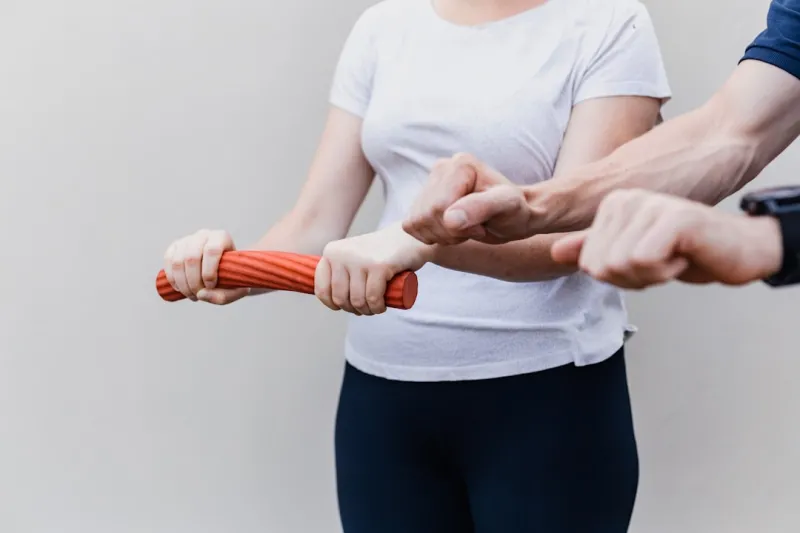
Holistic Physiotherapy: Turning Movement Into Everyday Wellness
Explore the future of physiotherapy where movement meets mindset, nutrition, and technology—empowe... Read More
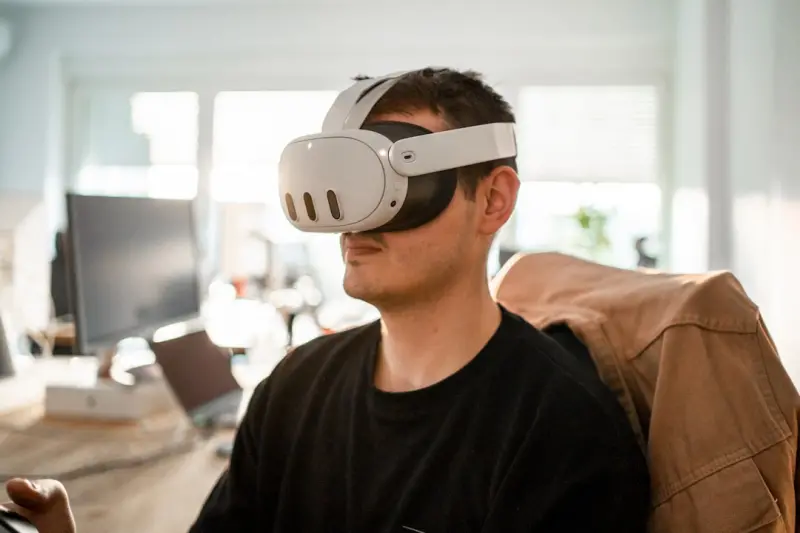
Virtual Reality Meets Physiotherapy: Redefining Home Rehab
Discover the future of physiotherapy as virtual reality brings clinic‑level care to your living ro... Read More
Top Posts
Unlocking Hidden Levers for a Longer, Fuller Life
Explore fresh longevity tactics that go beyond diet and exercise, from syncing your internal clock to building purposeful social networks for a longer, richer l...Read More

Reclaiming Rest: A Fresh Look at Insomnia
A comprehensive guide that reveals how lighting, digital habits, nutrition, movement, and mindfulness intertwine to combat insomnia, offering a practical 7‑da...Read More

Data‑Driven Parenting: Harnessing Baby Wearables for Healthier Infants
This article delves into the rise of baby wearables, explaining key metrics they track, how to choose safe devices, and practical ways to integrate data with pe...Read More

Holistic Strategies to Boost Brain Health and Cognitive Vitality
Explore a holistic blueprint for brain health, covering nutrition, sleep, movement, stress management, and more to keep your mind sharp and resilient....Read More
0 Comments
Post Comment
You will need to Login or Register to comment on this post!