

Rethinking Glucose Control: How Your Everyday Space Becomes a Secret Ally
When most people think about stabilizing blood sugar, the mental image is a kitchen counter piled with low‑glycemic foods or a smartwatch flashing every five minutes. What if I told you that the very spaces you inhabit—your desk, the lighting in your living room, even the texture of the chair you sit on—can subtly nudge your glucose levels toward steadier ground?
Why the Environment Matters More Than You Think
Our bodies are wired to read context. Evolution equipped us with a sophisticated “situational thermostat” that interprets visual, auditory, and tactile cues to predict energy demands. In a modern office, that thermostat can be thrown off by a constant barrage of blue‑light screens, erratic temperature shifts, and the lingering stress of open‑plan layouts. When the brain receives mixed signals, it can over‑release hormones like cortisol, which in turn spikes hepatic glucose production. The result? A roller‑coaster of blood sugar that feels disconnected from what you actually eat.
Lighting: The Unseen Glucose Moderator
Light is more than a visual cue; it’s a primary driver of circadian rhythms. Bright, blue‑rich light in the morning tells your suprachiasmatic nucleus to ramp up insulin sensitivity, priming the body for the day’s meals. Conversely, exposure to harsh, blue‑heavy illumination after sunset can blunt that sensitivity, leading to higher post‑dinner glucose spikes.
- Morning boost: Position a daylight‑simulating lamp near your workstation for the first two hours after waking. Aim for a color temperature around 5,500 K.
- Evening wind‑down: Switch to amber or warm‑white bulbs (around 2,700 K) after 7 p.m. to cue your body that it’s time to transition to a more insulin‑conserving mode.
Implementing this simple lighting swap can shave 5–10 percent off post‑meal glucose excursions, according to emerging chronobiology research.
Acoustic Atmosphere: Sound as a Metabolic Cue
While we often think of sound as a productivity tool, certain acoustic environments can directly influence stress hormones. Low‑frequency ambient tones—think gentle rain or distant ocean waves—have been shown to lower cortisol without sacrificing focus. In contrast, sudden, high‑pitch alerts (think chat notifications) can trigger a fight‑or‑flight response, prompting the liver to release glucose into the bloodstream.
Try the following:
- Curate a “focus playlist” of nature‑based soundscapes at a volume low enough to be non‑intrusive.
- Reserve “alert‑free” blocks of time (e.g., 30‑minute deep‑work sessions) where notification sounds are muted.
Even a modest 15‑minute immersion in calming audio can reduce cortisol spikes by up to 8 percent, creating a smoother glucose curve.
Temperature Tweaks: The Thermostat Effect
Ambient temperature subtly signals metabolic demand. A cooler environment (around 68 °F/20 °C) nudges the body to generate extra heat, which can increase insulin sensitivity. Conversely, an overly warm office can promote insulin resistance as the body diverts resources to cooling mechanisms.
Practical steps:
- Set your thermostat a degree lower during peak work hours.
- Layer clothing—keep a light cardigan at your desk for easy adjustment.
- If you can’t control building temperature, use a personal fan or portable heater to create a micro‑climate.
Posture and Movement: Micro‑Micro‑Adjustments for Macro Impact
Sitting for hours isn’t just a back problem; it also impairs glucose uptake. When muscles remain static, they consume less glucose, leaving more circulating in the bloodstream. The key isn’t a marathon of gym sessions (though those are great) but integrating tiny postural shifts throughout the day.
- Micro‑stand intervals: Every 45 minutes, stand for two minutes and perform a few calf raises.
- Active chair tricks: Use a chair that encourages subtle rocking or a balance cushion that activates core muscles.
- Desk stretches: Simple hamstring or spinal twists can re‑engage lower‑body muscles, prompting them to mop up extra glucose.
These micro‑movements have been linked to a 3‑5 percent improvement in post‑prandial glucose handling, a modest but meaningful gain for anyone aiming for consistency.
Color Psychology: Visual Cues That Calm the Sugar‑Center
Colors influence mood, and mood influences hormonal balance. Cool hues—soft blues, muted greens—are associated with tranquility, while stark reds and bright yellows can heighten alertness and, indirectly, stress hormone release.
To harness this:
- Paint a wall in your home office a calming teal or sage.
- Swap out bright accessories (like a red mug) for more muted alternatives during high‑stress periods.
While the effect size is small, the cumulative impact across multiple environmental tweaks can compound into noticeable glucose stability.
Leveraging Wearable Data Without Obsessing
Continuous glucose monitors (CGMs) have democratized glucose data, but raw numbers can become a source of anxiety. The sweet spot is using CGM insights to inform environmental adjustments, not to dictate every bite.
Here’s a pragmatic workflow:
- Identify a pattern: Does your glucose tend to rise after a 2 p.m. meeting in a brightly lit conference room?
- Experiment: Adjust lighting or add a short walk before the meeting.
- Measure: Check the CGM for a week to see if the spike diminishes.
By treating the environment as a variable you can test, you shift from reactive to proactive glucose management.
When Technology Meets Environment: A Quick Win
Pairing a real‑time biofeedback tool with ambient adjustments can accelerate learning. While the linked article focuses on blood pressure, the same principle—visualizing physiological data while modifying surroundings—applies to glucose. Set up a screen that displays your glucose trend while you experiment with lighting or temperature; the instant feedback loop trains your brain to associate specific environmental cues with metabolic outcomes.
Food Pairing Meets Setting: The Contextual Meal
Beyond the plate, the setting of a meal can shape digestion. Eating at a cluttered desk while juggling emails can increase stress, prompting a higher insulin response. In contrast, a dedicated, low‑distraction space—soft lighting, gentle background sounds—promotes mindful eating, slower gastric emptying, and a gentler glucose rise.
Try a “contextual meal” ritual:
- Clear the work surface of non‑food items.
- Dim the lights to a warm glow.
- Play a low‑volume ambient track (e.g., distant rain).
- Eat slowly, putting down utensils between bites.
Studies suggest that even without changing the food itself, such environmental mindfulness can lower post‑meal glucose peaks by 5–7 percent.
Integrating Greenery: Plants as Metabolic Allies
Indoor plants do more than beautify a space; they improve air quality, reduce perceived stress, and may even influence hormonal balance. A modest collection of low‑maintenance greenery—think snake plant, pothos, or ZZ plant—creates a more soothing visual field, which can translate into lower cortisol and steadier glucose.
Putting It All Together: A 7‑Day Action Plan
To make the concepts concrete, here’s a week‑long protocol that blends the most impactful levers:
| Day | Focus Area | Action |
|---|---|---|
| 1 | Lighting | Install a daylight‑simulating lamp for morning work; switch to amber bulbs after 7 p.m. |
| 2 | Sound | Play a 30‑minute nature soundscape during the first deep‑work block. |
| 3 | Temperature | Lower office thermostat by 1 °F; keep a lightweight cardigan at desk. |
| 4 | Movement | Set a timer for 45‑minute intervals; stand and stretch for two minutes each time. |
| 5 | Color | Swap a bright red coffee mug for a soft‑blue one. |
| 6 | Meal Context | Eat lunch at a cleared table with warm lighting and gentle rain sounds. |
| 7 | Greenery | Place a small snake plant on your desk and water it. |
Track your CGM data throughout the week. You’ll likely notice a smoother curve, especially after meals that coincide with your new environmental settings.
Future Directions: Smart Spaces That Anticipate Glucose Needs
The next frontier is integrating sensor data with environmental controls. Imagine a workspace that automatically dims lights, adjusts temperature, and cues calming audio when your CGM flags a rising trend. While that vision is still emerging, early prototypes are already blending gut‑focused insights with adaptive lighting systems. The convergence of these technologies promises a world where your surroundings are as dynamic as your metabolism.
Final Thoughts: Empowerment Through Design
Managing blood sugar isn’t solely about carbohydrate counting or medication adherence. It’s also about curating the environment that constantly talks to your endocrine system. By deliberately shaping light, sound, temperature, posture, color, and even plant life, you give your body the context it craves—one that signals stability rather than stress.
Take a moment today to glance around your workspace. What’s the lighting like? Is there a subtle hum of noise or a glaring glare? Small tweaks now can become the silent scaffolding that keeps your glucose on a steady track, freeing mental bandwidth for the work and life you truly care about.

Related Posts

Fueling Focus: Engineering Blood Sugar for High‑Stakes Creativity
A practical guide to using protein‑fiber pairings, micro‑fuel snacks, liver support, and stressâ... Read More
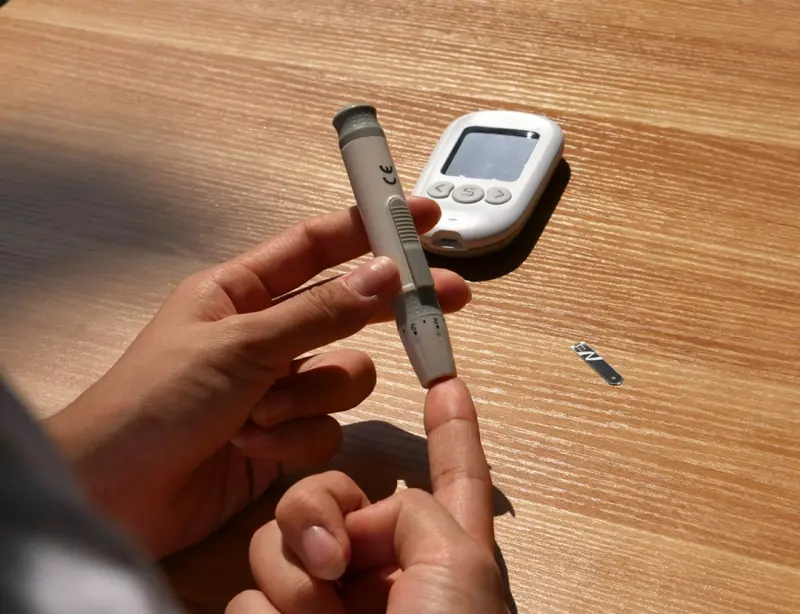
Temperature Hacks to Keep Your Blood Sugar on Point
Explore how controlling indoor temperature, humidity, and seasonal climate can become powerful tools... Read More
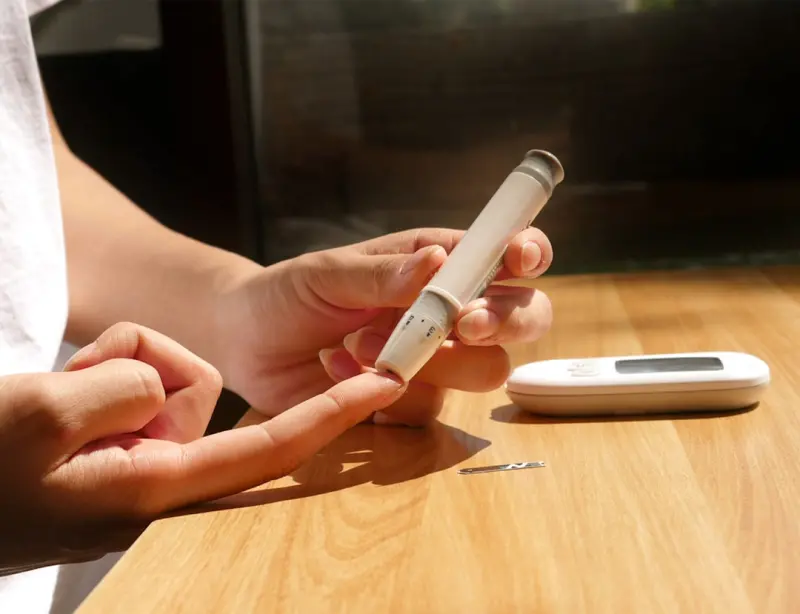
How Hidden Stress Triggers Blood Sugar Surges and What to Do
Stress can stealthily raise blood sugar, even without a sugary snack. Learn why this happens and thr... Read More
Top Posts
Vaping’s New Wave: Design, Community, and the Circular Future
Vaping is evolving from a stigmatized habit into a design‑driven, community‑focused, and environmentally conscious lifestyle. This post dives into the rise ...Read More

Cold Exposure: The Underrated Secret to Men’s Health and Performance
Explore the science and practical steps behind using cold exposure to improve men’s vitality, hormone balance, and mental resilience....Read More
From Midnight Restlessness to Restful Rituals: My Personal Insomnia Playbook
A personal guide to transforming insomnia with sensory sanctuaries, gentle movement, nutrition, and mindset shifts—turning sleepless nights into restful ritua...Read More
Rev Up Your Liver: A Holistic Playbook for Sustainable Detox and Metabolic Power
A detailed guide reveals how to treat your liver like a high‑performance engine—using strategic meal timing, gut‑liver communication, and smart stress tec...Read More
0 Comments
Post Comment
You will need to Login or Register to comment on this post!