
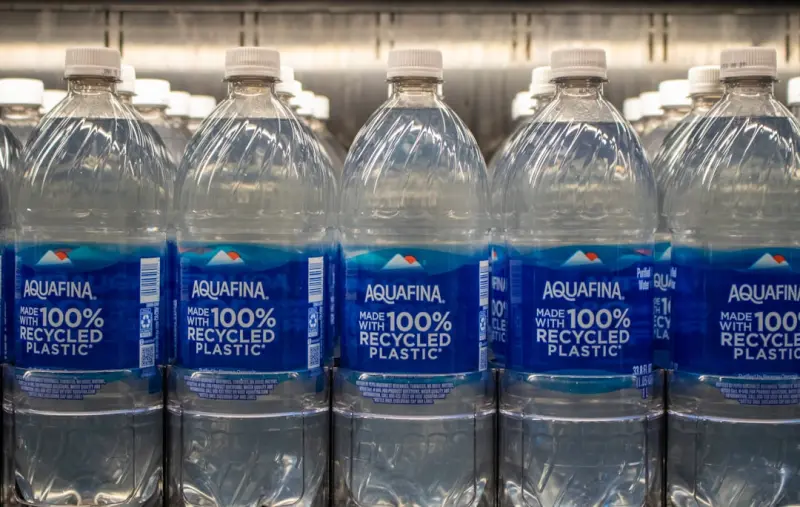
Adaptive Hydration: Real‑Time Personalization for Optimal Health
When I first started tracking my morning coffee intake, I never imagined it would lead me down a rabbit hole of fluid dynamics, wearable tech, and the subtle art of listening to my body's thirst cues. In the age of data‑driven wellness, water—yes, plain old H₂O—has become the most under‑leveraged biomarker for performance, recovery, and long‑term health.
Most of us learned the old mantra “drink eight glasses a day” in school, a rule that feels as outdated as a dial‑up modem. The truth is far more nuanced: each person’s fluid needs shift hour‑by‑hour, day‑by‑day, and even season‑by‑season. This post unpacks why a one‑size‑fits‑all hydration plan is a myth, how emerging technologies let us fine‑tune water intake in real time, and what practical steps you can take today to turn hydration into a personalized health lever.
Why Conventional Hydration Advice Misses the Mark
Traditional guidelines ignore three critical variables:
- Individual physiology. Body mass, muscle composition, and metabolic rate dictate how much fluid you actually need. A 150‑lb endurance runner and a 220‑lb desk‑bound executive will have dramatically different baselines.
- Environmental conditions. Temperature, humidity, and altitude alter sweat rates and respiratory water loss. A day in a climate‑controlled office is not comparable to a trek through a desert.
- Activity patterns. Even brief bouts of high‑intensity effort—think sprinting to catch a train—spike fluid turnover. Conversely, sedentary periods reduce the immediate demand for water but increase the risk of subtle dehydration over time.
Ignoring these factors leads to two common pitfalls: chronic under‑hydration (the silent killer of cognitive function and joint health) and over‑hydration (which can dilute electrolytes and strain the kidneys). Both scenarios are measurable, and both can be corrected with the right data.
The Science Behind Fluid Balance
Our bodies maintain a delicate equilibrium called euhydration. When we deviate, osmoreceptors in the hypothalamus trigger thirst and antidiuretic hormone (ADH) release, prompting us to drink and retain water. However, the thirst response is notoriously lagging—by the time you feel parched, you may already be 2 % dehydrated, enough to impair short‑term memory, mood, and physical performance.
Electrolytes—sodium, potassium, magnesium—play a starring role in fluid distribution across intracellular and extracellular compartments. A misbalance can manifest as muscle cramps, fatigue, or even cardiac arrhythmias. The key is not just volume, but the composition of the fluids you consume.
Enter Adaptive Hydration: The New Frontier
Adaptive hydration blends continuous biometric monitoring with AI‑driven recommendation engines. Think of it as a personal hydration coach that watches your sweat, heart rate, skin temperature, and even ambient humidity, then tells you exactly when—and how much—water (or electrolyte‑rich beverage) you should take.
Several consumer wearables now include skin conductance sensors that estimate sweat loss, while smart water bottles track intake and sync with phone apps. When these data streams converge, algorithms can calculate a real‑time hydration deficit and push a gentle reminder to your wrist or phone.
For those skeptical of gadgets, the same principle can be applied manually: a daily log of weight fluctuations (since each kilogram lost often reflects a liter of water), urine color, and a quick check of skin turgor. Yet the tech‑enabled route removes guesswork, allowing you to act before the body’s lagging thirst signals kick in.
Building Your Own Adaptive Hydration System
Here’s a step‑by‑step framework you can adopt, whether you’re a tech enthusiast or a low‑tech minimalist:
- Establish a baseline. For one week, track your fluid intake, body weight (morning after voiding), and urine color using a simple scale and a color chart. Note any patterns related to meals, workouts, and weather.
- Choose your monitoring tools. If you own a smartwatch with skin temperature or a dedicated sweat sensor, integrate them into a health app that supports custom alerts. If not, a smart water bottle like HidrateSpark can still provide intake data.
- Set personalized thresholds. Use your baseline to define a target weight range (e.g., ±0.5 kg). When daily weight deviates beyond this window, it signals fluid loss or retention, prompting a corrective drink.
- Incorporate electrolytes. For active days or hot climates, add a pinch of sea salt or a low‑sugar electrolyte mix to your water. This prevents hyponatremia and supports muscle function.
- Leverage AI recommendations. If your chosen app offers predictive alerts (based on heart rate variability, step count, or ambient temperature), trust the nudges. They’re grounded in the same data that powers the personal longevity dashboard many of us already rely on for broader health insights.
- Iterate weekly. Review the data each Sunday: Did you meet your hydration targets? How did you feel? Adjust electrolyte ratios and alert timing as needed.
Case Study: From Foggy Mornings to Clear Thinking
One of my clients, a remote product manager who spends eight hours a day in front of multiple screens, reported chronic brain fog and frequent headaches. Traditional advice (drink more water) fell flat—she simply forgot to sip while juggling meetings.
We equipped her with a smart bottle and a smartwatch that logged skin temperature. The AI flagged a 1.2 % dehydration trend each afternoon, triggered a gentle vibration reminder, and suggested a 250 ml electrolyte‑infused drink. Within two weeks, her self‑reported focus scores rose by 30 %, and the headaches vanished.
This anecdote underscores the power of closing the feedback loop: data → insight → action → outcome. When you align your hydration with real‑time needs, mental clarity, physical stamina, and even skin health improve.
Hydration and the Broader Health Ecosystem
Optimized fluid balance isn’t an isolated goal. It synergizes with other health pillars:
- Metabolism. Adequate water supports enzymatic reactions that burn calories, aiding weight management.
- Kidney function. Consistent intake helps flush toxins, reducing the risk of stones and chronic kidney disease.
- Joint health. Synovial fluid, the lubricant in joints, is water‑based; staying hydrated can mitigate stiffness.
- Skin elasticity. Hydration from the inside complements topical moisturizers, promoting a youthful complexion.
These interconnections echo the themes explored in how light shapes your health, where external cues (light) and internal states (hydration) together modulate metabolic pathways. Think of hydration as the silent conductor of your body's orchestra.
Common Myths Debunked
Myth 1: “Coffee dehydrates you.” While caffeine has a mild diuretic effect, regular coffee drinkers develop tolerance, and the fluid content of the beverage offsets any loss. In moderation, coffee contributes to daily fluid totals.
Myth 2: “If I’m not thirsty, I don’t need water.” As mentioned, thirst lags behind dehydration. Relying solely on that signal can leave you subtly under‑hydrated, especially during mental work that diverts attention from bodily cues.
Myth 3: “More water is always better.” Over‑hydration can dilute blood sodium, leading to hyponatremia—a rare but serious condition. Balance is key, and that’s where adaptive systems shine.
Future Trends: From Reactive to Predictive Hydration
The next wave will see integration with continuous glucose monitors (CGMs), heart‑rate variability sensors, and even gut microbiome analyses. Imagine a platform that predicts your hydration need based on upcoming meals, anticipated stress levels, and predicted sweat from a forecasted workout.
Such predictive models could also inform public health initiatives—smart city fountains that adjust flow rates based on ambient heat and foot traffic, or office buildings that automatically dispense electrolytes during high‑intensity brainstorming sessions.
Takeaway Checklist
- Track baseline fluid balance for one week.
- Select a monitoring method (smart bottle, wearable, or manual logs).
- Set personalized weight‑fluctuation thresholds.
- Include electrolytes when needed.
- Use AI or app nudges to act before thirst hits.
- Review and adjust weekly.
Hydration is more than a habit; it’s a dynamic, data‑rich behavior that, when mastered, unlocks clearer cognition, smoother movement, and a resilient body. By embracing adaptive hydration, you turn a basic survival need into a precision health tool—one sip at a time.

Craig Brett is a freelancer with a passion for the outdoors. His love for nature inspires his work, bringing authentic and engaging perspectives to projects related to outdoor activities, adventure, and environmental topics.
Related Posts
Cold Exposure: Unlocking Metabolic Resilience for Modern Life
Controlled cold exposure activates brown fat, improves insulin sensitivity, and supports gut health.... Read More

Quiet Motion: How Tiny Movements Rewrite Your Health Story
Micro‑movements—those brief, often unnoticed gestures like ankle rolls, shoulder squeezes, and s... Read More
The Intersection of Mental Health and Physical Wellbeing: A Holistic Approach
Mental health and physical wellbeing are intricately linked. Learn how a holistic approach can help ... Read More
Top Posts

Colorful Nutrition: Boost Energy, Mood, and Performance with Food Pigments
Learn why the colors on your plate matter, how to synchronize pigment intake with your daily rhythm, and practical steps to turn every meal into a performanceâ€...Read More

Reimagining Mental Health in 2026: A Holistic Journey to Inner Freedom
A personal, holistic guide to mental health in 2026, blending community, sleep rituals, nutrition, movement, and brain‑boosting strategies for lasting emotion...Read More

When Your Mind Gets Lost in the Zoom Maze: Re‑Finding Calm in a Hyper‑Connected Workplace
Explore evidence‑based tactics for managing Zoom fatigue, setting digital boundaries, and fostering a culture of psychological safety that lets professionals ...Read More

When Beats Meet Feet: The Rise of Rhythm‑Driven Workouts
Nikki reveals the science behind rhythm‑driven training, shares a step‑by‑step guide for building beat‑matched workouts, and offers a beginner‑friendl...Read More
0 Comments
Post Comment
You will need to Login or Register to comment on this post!