
Turning the Cancer Journey into a Creative Expedition
When I first heard the word “cancer,” my mind leapt straight to clinical protocols, scans, and the sterile hum of hospital corridors. Over the years, as a caregiver, a patient advocate, and someone who has watched loved ones navigate this terrain, I’ve learned that the story doesn’t end at diagnosis. In fact, the narrative can be rewritten—by inviting art, imagination, and community into the treatment room.
What if we stopped viewing cancer solely as a medical battle and began to see it as a catalyst for a deeper, more personal expedition? This isn’t about denying the gravity of the disease; it’s about expanding the toolkit we give to patients, families, and clinicians. Below, I’ll share practical ways to weave creativity into the cancer experience, backed by emerging research and real‑world anecdotes. My hope is that you’ll walk away with a fresh perspective—and a few actionable ideas you can try today.
The Science Behind Creative Therapy
Neuroscience tells us that engaging in creative activities lights up the brain’s reward pathways, releasing dopamine, serotonin, and endorphins. These chemicals not only lift mood but also modulate the immune system, reducing inflammation—a known contributor to cancer progression. A growing body of evidence suggests that patients who incorporate artistic expression into their routine report lower pain levels, improved sleep, and a heightened sense of control.
One study published in Journal of Clinical Oncology tracked breast‑cancer survivors who participated in weekly painting classes. After three months, participants demonstrated a measurable increase in natural killer cell activity, a key player in tumor surveillance. While creativity isn’t a substitute for chemotherapy or radiation, it acts as a supportive layer, fostering resilience from the inside out.
Storytelling: Giving Voice to the Unspoken
Stories are the bridge between experience and meaning. For many battling cancer, the medical narrative is often dominated by numbers, timelines, and prognosis. By crafting a personal story, patients reclaim agency, transform fear into purpose, and create a lasting legacy for loved ones.
Consider the tiny brain workouts that executives use to sharpen focus. Storytelling works similarly—it’s a mental exercise that strengthens cognitive flexibility and emotional processing. Writing a journal entry, recording a voice‑memo, or even curating a photo album can serve as a therapeutic outlet.
- Micro‑journaling: Spend five minutes each morning noting one vivid memory from the previous day. The act of recollection reinforces neural pathways associated with positive emotions.
- Digital storytelling: Create a short video series chronicling treatment milestones. Share it with a trusted circle or keep it private; either way, you’re building a narrative archive.
- Collaborative memoirs: Invite a friend or family member to co‑author a chapter about your journey. The dialogue deepens connection and reduces feelings of isolation.
When I facilitated a storytelling workshop for a group of lymphoma survivors, the room buzzed with an electric mix of vulnerability and empowerment. One participant said, “I finally stopped seeing myself as ‘the patient’ and started seeing myself as the author of my own story.” That shift—subtle yet profound—can be the difference between feeling stuck in a medical routine and moving forward with intention.
Visual Arts: Painting Beyond the Canvas
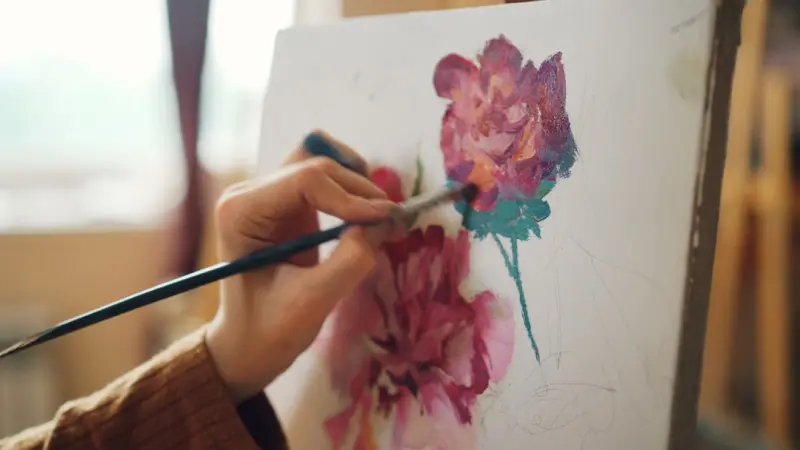
Painting, drawing, and even coloring aren’t just pastimes; they’re forms of active meditation. The repetitive motion of a brushstroke can calm the nervous system, akin to the breath work techniques highlighted in the quiet pressure article.
Here are three ways to integrate visual arts into daily life, regardless of skill level:
- Color‑Therapy Journals: Use a sketchbook to blend colors that reflect your mood. Over time, you’ll notice patterns that can guide conversations with your care team about emotional well‑being.
- Guided Art Sessions: Join virtual classes tailored for patients. Many oncology centers now partner with local artists to host weekly Zoom workshops, offering a safe space to create and connect.
- Art as Documentation: Paint a series that visually chronicles the stages of treatment—pre‑chemo, during, and post‑recovery. The finished collection can become a powerful visual testimony of perseverance.
My own foray into visual art began when I was asked to illustrate a simple infographic for a health blog. I found that the act of sketching the concept clarified my thoughts and reduced the anxiety that often accompanies tight deadlines. For cancer patients, the payoff is similar: a tangible representation of an intangible journey.
Music and Rhythm: The Body’s Natural Metronome
Music has long been used as a therapeutic modality. From Dr. Oliver Sacks’ explorations of music‑induced hallucinations to modern music‑medicine programs in hospitals, the evidence is clear—rhythmic stimulation can regulate heart rate, lower cortisol, and even improve immune function.
Practical steps to harness music:
- Personal Soundtrack: Curate playlists that reflect different phases of your day—energizing tracks for mornings, calming melodies for evening wind‑down.
- Instrument Exploration: Learning a simple instrument (e.g., ukulele, hand drum) provides tactile feedback and a sense of accomplishment.
- Group Sing‑Along Sessions: Many community centers host “song circles” for patients. The collective vocalization fosters belonging and can uplift spirits during tough treatment days.
Research from the University of Miami demonstrated that patients who engaged in regular music listening experienced a 20% reduction in reported pain scores during chemotherapy infusions. While the mechanisms are still being unpacked, the practical takeaway is simple: incorporate intentional listening into the treatment schedule.
Movement as Narrative Flow
Movement isn’t just physical rehab; it’s a form of embodied storytelling. Gentle yoga, tai chi, or even a daily walk can serve as a moving metaphor—each step symbolizing progress, each stretch representing flexibility in the face of uncertainty.
For those who may feel limited by fatigue, consider “micro‑movement” practices. A five‑minute seated stretch, a brief walk around the ward, or a series of deep‑breath inhalations can reset the nervous system and signal to the brain that it’s safe to relax.
These ideas echo the principles discussed in the autoimmune resilience piece, where wearable tech monitors subtle physiological changes and nudges users toward restorative actions. Though not a direct medical intervention, movement can be a low‑cost, high‑impact complement to standard care.
Community‑Driven Creative Hubs
Isolation is one of the most insidious side effects of cancer treatment. Building or joining creative communities can counteract this by offering shared purpose. Many hospitals now house “art studios” where patients can paint, sculpt, or craft alongside peers.
When I visited a regional cancer center’s art space, I witnessed a group of patients collaborating on a mosaic that would later adorn the lobby. The project not only beautified the environment but also gave participants a collective goal—transforming a sterile hallway into a vibrant gallery of hope.
If a physical space isn’t available, digital platforms can fill the gap. Online forums dedicated to cancer‑focused creativity allow participants to post artwork, exchange feedback, and celebrate milestones. The anonymity of the internet can also encourage more vulnerable self‑expression.
Integrating Creative Practices into Clinical Care
Oncologists and care teams are increasingly recognizing the value of holistic interventions. Here’s how clinicians can embed creativity into standard protocols:
- Prescribe “Creative Hours”: Just as patients receive physical therapy referrals, doctors can recommend a certain amount of weekly artistic activity.
- Collaborate with Art Therapists: Many hospitals employ certified art therapists who tailor sessions to individual needs, ranging from grief processing to skill development.
- Document Creative Outcomes: Encourage patients to track mood, pain levels, and sleep quality in relation to their artistic pursuits. This data can inform personalized care plans.
These strategies align with the broader movement toward patient‑centered care—where the focus extends beyond tumor metrics to encompass quality of life, emotional health, and personal fulfillment.
Practical Toolkit: Getting Started Today
Ready to dip your toes into the creative current? Here’s a starter kit you can customize:
- Supply Box: Gather basic tools—colored pencils, a sketchbook, a journal, a simple instrument, and a playlist on your phone.
- Schedule Prompt: Set a recurring reminder—“Creative Time”—for 15‑30 minutes each day.
- Reflect & Share: After each session, jot down one insight or feeling. If comfortable, share a photo or snippet with a trusted friend or support group.
Remember, the goal isn’t perfection; it’s presence. Each creative act is a brushstroke on the larger canvas of your life.
Looking Ahead: The Future of Creative Oncology
As technology advances, we’ll likely see immersive experiences—virtual reality art installations, AI‑generated music tailored to biometric feedback, and bio‑responsive lighting that adapts to a patient’s emotional state. The convergence of art, science, and empathy promises a richer, more humane oncology landscape.
Until those innovations become mainstream, we have everything we need to start the journey now: imagination, community, and the willingness to reframe cancer from a story of loss to one of creative transformation.
Whether you’re a patient, caregiver, or healthcare professional, I invite you to experiment, share, and celebrate the artistic moments that arise—even in the most challenging chapters. In doing so, we not only enrich our own lives but also illuminate a path for others walking beside us.

Nikki McDonald is a freelancer based in Waterloo. She brings her skills and expertise to various projects, balancing her professional work with a personal life that includes her husband, Stewart.
Related Posts
The Quiet Revolution: How Shared Stories and Digital Communities Are Redefining Cancer Support
Exploring the power of narrative medicine and modern digital communities, this piece reveals how sha... Read More

Living with Cancer: A Holistic Journey Through Fear, Hope, and Empowerment
A heartfelt exploration of cancer from a holistic perspective, offering practical mind‑body strate... Read More
When Sensors Talk: Wearables, AI, and the New Early Detection Era for Cancer
A deep dive into how continuous health monitoring, AI-powered pathology, and gut microbiome insights... Read More
Top Posts
Rethinking Liver Health: The Microbiome‑Liver Connection and Digital Tools
Discover how a thriving microbiome, smart eating windows, and wearable insights can transform liver health, offering practical steps and future tech predictions...Read More
When Sleep Becomes a Spark: Turning Narcolepsy Into a Creative Engine
Discover how to reframe narcolepsy from a limitation into a creative superpower using micro‑inspiration, empathy training, and post‑nap clarity for high‑i...Read More

Designing Your Gut Landscape: A Fresh Guide to Microbial Mastery
Discover a city‑planning metaphor for gut health, with practical design principles, seasonal food strategies, and narrative‑based habits that cultivate a th...Read More

Nurturing Your Liver: Everyday Practices for Long‑Term Vitality
Discover how consistent hydration, fermented foods, stress‑reduction rituals, and smart tracking can transform liver health, boosting metabolism and overall w...Read More
0 Comments
Post Comment
You will need to Login or Register to comment on this post!