
Why Waiting for a Flare Is Over: A Data‑First Playbook for Autoimmune Wellness
When I first received an autoimmune diagnosis, the medical narrative felt like a waiting room—appointments, lab results, and a prescription to “manage symptoms.” It was a passive stance, one where the disease dictated the tempo of my life. Over the past decade, I’ve watched technology evolve from a novelty to a cornerstone of precision health. Today, the same sensors that track steps and heart rate can also decode the subtle biochemical whispers that precede a flare. In this post I’ll unpack how wearable tech, real‑time biofeedback, and intentional environment design can shift you from reactive patient to proactive health architect.
The Blind Spot in Conventional Autoimmune Care
Traditional care models excel at confirming a diagnosis and prescribing immunomodulatory drugs. What they struggle with is predicting the next flare. Physicians rely on patient‑reported outcomes and periodic blood work, which capture the disease after it’s already taken hold. The result? Unnecessary downtime, lost productivity, and a constant feeling of being “on edge.”
Two major gaps emerge:
- Temporal Resolution: Lab panels are usually drawn weeks apart, missing the rapid shifts that trigger symptoms.
- Contextual Insight: We seldom know how stress, sleep quality, temperature, or even ambient light interact with immune signaling in any given individual.
Closing these gaps requires continuous data streams—a role that modern wearables are uniquely positioned to fill.
Wearables as Early Warning Systems
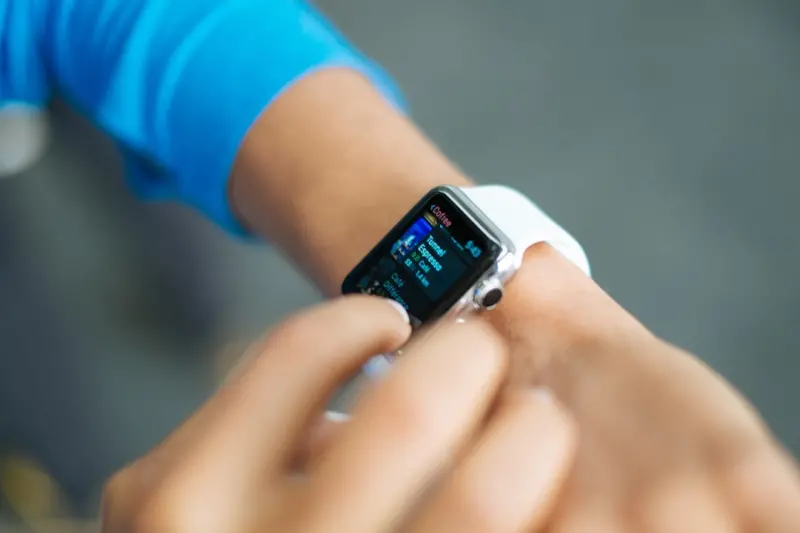
Today’s devices capture a suite of metrics: heart rate variability (HRV), skin temperature, electrodermal activity, respiratory rate, and even blood oxygen saturation. Research shows that reductions in HRV often precede inflammatory spikes, while subtle elevations in peripheral temperature can signal cytokine release. By establishing a personal baseline and monitoring deviations, you can catch the first physiological tremor before pain, fatigue, or joint swelling surface.
Imagine a dashboard that flags a 12% drop in HRV combined with a 0.3°C rise in skin temperature during the early morning hours. Your smartphone nudges you to engage a 5‑minute breath‑reset, hydrate, or adjust your bedroom thermostat. Over weeks, the algorithm learns which interventions most effectively restore equilibrium for you.
These insights aren’t just theoretical. A growing body of peer‑reviewed studies demonstrates that HRV‑guided stress management reduces flare frequency in rheumatoid arthritis and multiple sclerosis cohorts. The technology is no longer a “nice‑to‑have” gadget; it’s an extension of the clinician’s stethoscope—only more personal and always on.
Biofeedback Loops: Turning Data Into Action
Data without action is noise. Biofeedback bridges the gap by translating raw numbers into intuitive cues. Here are three feedback modalities that have proven most effective for autoimmune patients:
- Visual Pulse: A color‑coded ring on your watch glows green when HRV is within target, amber when it dips, and red when it breaches a pre‑set threshold. This instant visual cue prompts a micro‑break before stress compounds.
- Haptic Prompt: A gentle vibration at night signals a drop in nocturnal HRV, encouraging a 5‑minute guided meditation via a paired app.
- Audio Cue: A subtle chime alerts you to an upward trend in skin temperature, prompting a quick environmental adjustment—like opening a window or turning on a fan.
By closing the loop—detect, cue, act—you create a self‑correcting system that reduces the cumulative inflammatory load over time.
Environmental Design as an Immune Modulator
While wearables capture personal physiology, the surrounding environment is the silent conductor of many autoimmune symphonies. Temperature, light, air quality, and even electromagnetic fields can amplify or dampen immune signaling. A few low‑cost tweaks can dramatically improve your physiological stability:
- Thermal Zoning: Keep bedroom temperature between 18‑20°C. Cooler environments promote parasympathetic dominance, supporting HRV.
- Blue‑Light Management: Use amber light bulbs after sunset to preserve melatonin production, which in turn regulates cytokine rhythms.
- Air Purification: Indoor pollutants can aggravate systemic inflammation. HEPA filters and houseplants such as Sansevieria help maintain cleaner air.
- Electromagnetic Hygiene: Reducing proximity to Wi‑Fi routers during sleep (or switching them to low‑power mode) may lower low‑grade oxidative stress, a factor increasingly implicated in flare dynamics.
When these environmental variables are logged alongside your biometric data, patterns emerge. For instance, a correlation between elevated nighttime temperature and increased HRV dips could highlight an HVAC issue that, once resolved, yields fewer morning flares.
Nutrition & Lifestyle: Integrating the Microbial Angle
Autoimmune conditions often have a gut‑immune axis component. While the post Microbiome and Autoimmunity explored early‑life microbial seeding, the same principles apply throughout adulthood. Your wearable can flag post‑prandial spikes in heart rate or temperature, indicating a food‑induced inflammatory response.
Practical steps:
- Track meals in a dedicated app and sync timestamps with wearable data.
- Identify foods that consistently trigger HRV reductions or temperature rises.
- Experiment with low‑FODMAP, anti‑inflammatory diets, and monitor the resulting biometric shifts.
Beyond diet, regular low‑intensity movement—think walking, tai chi, or gentle yoga—has been shown to raise baseline HRV, creating a larger “buffer” before stressors push you into a flare state.
The Human Element: Community, Stress, and Digital Boundaries
While technology offers precision, the psychosocial landscape still shapes outcomes. Chronic stress, social isolation, and information overload can sabotage even the most sophisticated biofeedback system. The insights from Digital Overload remind us that constant notifications erode HRV and amplify inflammatory pathways.
Strategies to protect your mental bandwidth:
- Notification Hygiene: Schedule “focus windows” where non‑essential alerts are muted.
- Mindful Media Consumption: Limit scrolling to set periods; use an RSS reader to curate content instead of endless feeds.
- Peer Support: Join autoimmune-focused forums where members share wearable insights, dietary experiments, and coping tactics. The collective intelligence often uncovers patterns that single‑person data cannot.
A Practical Playbook: 7-Day Starter Routine
Below is a concrete, wearable‑centric routine you can adopt immediately. Adjust thresholds and interventions to match your own data profile.
- Morning Baseline Check (7 AM): Review HRV and skin temperature on your watch. If HRV is >5% below baseline, perform a 5‑minute diaphragmatic breathing session.
- Midday Nutrition Scan (12 PM): Log lunch and note any post‑meal HRV dip. If dip >3% persists for 30 minutes, add a probiotic or anti‑inflammatory herb (e.g., curcumin).
- Afternoon Move (3 PM): Take a 10‑minute walk outdoors. Record ambient temperature; if >24°C, seek shade to prevent heat‑induced cytokine release.
- Evening Wind‑Down (8 PM): Dim lights, enable amber bulbs, and start a 10‑minute guided meditation. Ensure bedroom temperature is set to 19°C.
- Nighttime Biofeedback (10 PM): Enable the wearable’s “sleep HRV monitor.” If a red alert triggers, consider a brief relaxation audio clip before drifting off.
- Weekly Review (Sunday 5 PM): Export data to a spreadsheet or integrated health platform. Highlight any recurring triggers and plan adjustments for the upcoming week.
- Community Sync (Wednesday 7 PM): Share a concise summary of your week’s data with an online autoimmune group. Solicit feedback and compare notes on similar patterns.
Consistency is the catalyst. Within a month, most users report a measurable reduction in flare frequency and a noticeable boost in energy levels.
Looking Ahead: The Promise of Predictive Immunology
Future iterations of wearables will integrate non‑invasive cytokine sensors, sweat‑based metabolomics, and AI models trained on millions of patient datasets. Imagine a device that predicts a flare 48 hours in advance based on a composite score of HRV, skin conductance, and cytokine micro‑fluctuations, then automatically schedules a tele‑consult with your rheumatologist.
Until that day arrives, the tools we have now already empower a paradigm shift: from “living with” to “living ahead of” autoimmune disease. By embracing continuous data, actionable biofeedback, and intentional environment design, you can rewrite the narrative of your condition.
Final Thoughts
Autoimmune disease is not a static label; it’s a dynamic system interacting with your body, mind, and surroundings. The key to mastery lies in observing the system in real time, intervening before the system tips, and nurturing the environment that supports balance. Wearables, when paired with thoughtful lifestyle tweaks and supportive community, become the compass that guides you through the ever‑changing terrain of immune health.

Craig Brett is a freelancer with a passion for the outdoors. His love for nature inspires his work, bringing authentic and engaging perspectives to projects related to outdoor activities, adventure, and environmental topics.
Related Posts

Building Autoimmune‑Friendly Workplaces: Strategies for Sustainable Success
A practical guide for leaders to create flexible, supportive, and data‑informed workplaces that em... Read More

When Your Immune System Goes Rogue: Data‑Driven Strategies to Tame Autoimmune Flare‑Ups
A data‑centric guide that blends wearable tech, gut health, environmental detox, and stress manage... Read More
The Quiet Revolution: How Everyday Environments Shape Autoimmune Health
A fresh look at autoimmune disease reveals how the spaces we live, work, and breathe in can trigger ... Read More
Top Posts

Muscle Gain for the Modern High‑Achiever: Micro‑Progress, Neuro‑Space, and Sustainable Strength
A practical guide for high‑achieving professionals to build muscle through tiny, consistent upgrades, strategic space design, and recovery‑focused habits th...Read More

The Age‑Defying Power of Everyday Curiosity
Curiosity isn’t just a mental pastime; it’s a neuro‑biological catalyst that supports cognitive, physical, and social health, making it a potent yet affor...Read More

Tiny Mental Breaks: How Micro‑Mindfulness Reshapes Daily Calm
Learn the power of micro‑mindfulness: tiny, intentional pauses paired with movement and soundscapes that build lasting calm and resilience in a busy world....Read More

The Creative Kitchen: Turning Cooking into a Weight‑Loss Power Play
Explore a fresh, creative approach to weight loss by treating cooking as an artistic playground—using themes, ingredient swaps, and storytelling to stay lean ...Read More
0 Comments
Post Comment
You will need to Login or Register to comment on this post!