
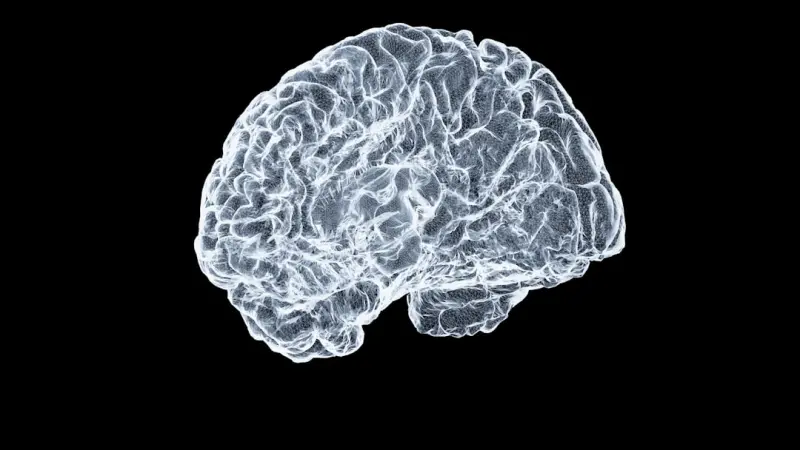
Why Tiny Brain Workouts Matter More Than Ever
When I first stepped into the world of high‑performance consulting, the mantra was simple: do more, faster. I chased endless meetings, tight deadlines, and an ever‑growing to‑do list. The brain, however, is not a limitless engine that thrives on constant overload. It’s a remarkably adaptable organ, but it needs intentional, varied stimulus to stay sharp. That’s where neurobics—purposeful, bite‑sized brain exercises—come into play.
What Exactly Is Neurobics?
Think of neurobics as the cross‑training you do at the gym, but for the cortex. Traditional brain‑training apps tend to focus on repetitive puzzles that quickly become rote. Neurobics, by contrast, deliberately challenge the brain’s default pathways by introducing novelty, multisensory input, and slight discomfort. The goal isn’t to master a single game; it’s to keep the brain’s wiring fluid and resilient.
The Science Behind the Micro‑Challenges
Neuroscientists have long documented that neuronal plasticity peaks when we expose ourselves to new patterns of thought and movement. Two key mechanisms are at work:
- Long‑Term Potentiation (LTP): When a novel stimulus fires a synapse, the connection strengthens, making future recall faster and more reliable.
- Synaptic Pruning: The brain eliminates underused pathways, freeing up metabolic resources for the circuits you actually need.
Neurobics leverages both. By sprinkling short, unpredictable tasks throughout the day, you force the brain to fire new routes while letting the old, inefficient ones fade away.
Designing Your Daily Neurobic Routine
Below is a framework that fits neatly into a busy professional schedule. Each activity takes less than five minutes, can be done at a desk or on the move, and targets a distinct cognitive domain.
1. Sensory Switch‑Ups
Swap one of your senses for another, even briefly. For example, close your eyes and type an email using only tactile feedback from the keyboard, or listen to a podcast at half speed while sketching a mind map. This forces the brain to reroute processing centers and sharpens cross‑modal integration.
2. Language Jumbles
Pick a random word from a dictionary and craft a two‑sentence story that includes that word and a term from your industry. The exercise simultaneously boosts vocabulary, creative synthesis, and domain‑specific fluency.
3. Physical Micro‑Movements
Even though we’re avoiding “movement” as a central theme, a tiny shift in posture can rewire neural pathways. Stand on one leg for thirty seconds while reviewing a KPI dashboard, or do a quick calf raise before your next video call. The brief balance challenge activates the cerebellum, which is essential for timing and coordination in decision‑making.
4. Reverse‑Logic Puzzles
Take a current problem and ask, “What would be the worst possible solution?” Then reverse that answer to uncover hidden assumptions. This technique, sometimes called inversion, has been used by top strategists to break mental fixation.
5. Narrative‑Driven Brain Exercises
Storytelling isn’t just for marketing—it's a powerful cognitive catalyst. By structuring information as a narrative, you engage the hippocampus and prefrontal cortex simultaneously. Try converting a quarterly report into a short story with a protagonist, conflict, and resolution. For deeper insight, see Storytelling as a Brain Gym for more examples.
Integrating Neurobics with Existing Productivity Systems
Most high‑performers already rely on tools like calendars, task managers, and focus timers. Neurobics can slot into these systems without adding friction:
- Calendar Blocks: Reserve three 3‑minute slots per day labeled “Neurobic Boost.” The brevity makes it easy to keep the promise.
- Task Manager Tags: Tag tasks with #neurobic to remind yourself to add a micro‑challenge before or after the main activity.
- Focus Apps: Use a Pomodoro timer that includes a 30‑second “brain reset” at the end of each interval, during which you perform a sensory switch‑up.
Measuring Impact: What to Track
Because neurobics are low‑stakes, you can experiment without risking major outcomes. However, tracking subtle shifts helps sustain motivation:
- Subjective Focus Rating: At the end of each day, rate your concentration on a 1‑10 scale.
- Task Completion Speed: Compare the time it takes to finish routine tasks before and after a month of neurobic practice.
- Creative Output: Count the number of novel ideas generated during brainstorming sessions.
Over weeks, many professionals notice a modest but consistent improvement across these metrics.
Neurobics and the Modern Information Landscape
We live in an era where information bombards us from every direction. While we’ve written extensively about reclaiming mental space, it’s worth revisiting that challenge through the lens of neurobics. Instead of merely turning off notifications, you can train your brain to switch modes faster—going from deep focus to rapid scanning and back again—by deliberately practicing these micro‑shifts.
Nutrition & Neurobics: A Quick Synergy
Brain health isn’t just about mental exercises; it’s also about fueling the organ with the right substrates. While I won’t dive deep into meal timing (that’s the realm of chrononutrition), a few quick tips can enhance the benefits of your neurobic routine:
- Hydration: Even mild dehydration reduces cognitive speed. Keep a water bottle at arm’s reach.
- Omega‑3 Fatty Acids: Incorporate a handful of walnuts or a teaspoon of flaxseed oil into your snack to support synaptic membrane fluidity.
- Micro‑Nutrients: Vitamin B12 and magnesium are essential for neurotransmitter synthesis. A short daily supplement can keep the neurobic engine running smoothly.
Common Pitfalls and How to Avoid Them
Like any habit, neurobics can go off‑track. Here are the most frequent missteps and practical fixes:
- Over‑Complexity: If an exercise feels like a chore, you’ll abandon it. Keep it simple—no more than one new variable per session.
- Inconsistency: Sporadic bursts won’t build neural pathways. Treat neurobics like flossing: a brief daily act, not a weekly marathon.
- Neglecting Recovery: The brain needs downtime to consolidate new connections. Pair neurobics with brief meditation or a walk outdoors to cement learning.
Scaling Neurobics Across Teams
While the personal benefits are compelling, the real power emerges when you embed neurobics in team culture. Here’s a starter kit for managers:
- Team Warm‑Ups: Begin meetings with a 2‑minute novelty prompt (e.g., “Name an object in the room that could be a metaphor for our project”).
- Cross‑Department Challenges: Pair members from different functions to solve a reverse‑logic puzzle together, fostering diverse neural pathways.
- Recognition: Celebrate “Neurobic Champions” who consistently integrate micro‑exercises, reinforcing the habit.
When an entire group practices these tiny shifts, you’ll notice faster problem‑solving, richer idea generation, and a more adaptable workforce.
Final Thoughts: The Competitive Edge of a Flexible Mind
In a world that prizes speed and output, the hidden differentiator is often the ability to pivot mentally. Neurobics give you a low‑cost, high‑impact method to keep that mental elasticity in shape. The next time you feel the pressure of an endless inbox or a looming deadline, remember: a five‑second sensory switch or a quick narrative rewrite can be the mental reset button you didn’t know you needed.
Start small, stay consistent, and watch as your brain quietly rewires itself for sharper focus, richer creativity, and sustainable resilience.

Craig Brett is a freelancer with a passion for the outdoors. His love for nature inspires his work, bringing authentic and engaging perspectives to projects related to outdoor activities, adventure, and environmental topics.
Related Posts

Why Ambient Soundscapes Are the Next Brain‑Boosting Frontier
Ambient soundscapes are emerging as a silent yet powerful tool for brain health, helping professiona... Read More

Cultivating Cognitive Gardens: How Green Spaces Sharpen Your Brain
Explore the science behind nature's impact on the brain, learn practical ways to bring green habits ... Read More

Nature’s Neural Boost: How Outdoor Immersion Sharpens Your Brain
Explore the science behind nature’s impact on the brain and get actionable tips to turn outdoor ti... Read More
Top Posts

Decoding Autoimmune Signals for Everyday Control
A practical guide that turns autoimmune flare‑ups from unpredictable crises into manageable patterns through symptom tracking, tiny lifestyle tweaks, and leve...Read More

Crafting Your Pregnancy Narrative: From Storyboard to Birth Stage
Discover a fresh approach to pregnancy by treating it as a living story—design your birth environment, embed rituals, and create a memorable, empowering deliv...Read More
Designing a Personal Vaping Ritual: Mindful Flavor Exploration and Breath Control
Learn to transform vaping from habit to mindful ritual, using flavor, breath patterns, and supportive micro‑habits to boost wellness and control nicotine....Read More

Rethinking Liver Health: The Microbiome‑Liver Connection and Digital Tools
Discover how a thriving microbiome, smart eating windows, and wearable insights can transform liver health, offering practical steps and future tech predictions...Read More
0 Comments
Post Comment
You will need to Login or Register to comment on this post!