

When I first walked into a quiet art studio, the hum of conversation faded, and I was suddenly surrounded by the subtle rhythm of brushstrokes, the soft crackle of a palette knife, and the gentle scent of fresh canvas. In that moment, my brain felt oddly expansive—as if each sense was pulling a different thread, weaving them together into something richer than the sum of its parts. That experience sparked a question that has since guided my own brain‑health journey: what if we could deliberately design everyday moments that stimulate our senses, and in doing so, give our neural networks a daily workout?
Why Sensory Enrichment Matters
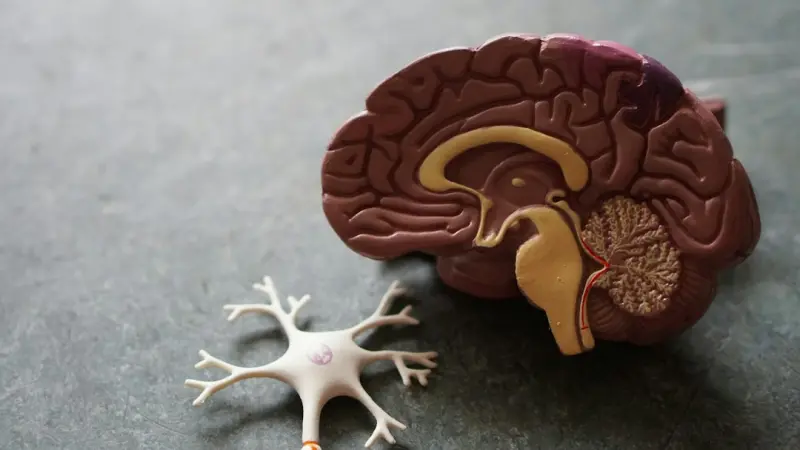
Neuroscience tells us that the brain is remarkably adaptable. Neuroplasticity—the brain’s ability to rewire itself—doesn’t just happen during intense learning sessions or while solving complex puzzles. It thrives on varied, multimodal input. When we expose ourselves to new textures, sounds, sights, and even aromas, we activate multiple cortical regions simultaneously, fostering stronger synaptic connections.
Think of your brain as a garden. Regular watering (nutrition), sunlight (exercise), and pruning (stress management) are essential, but the soil’s richness—the diversity of microbes, minerals, and organic matter—determines how lush the garden becomes. Sensory enrichment is that rich soil, feeding the brain with a kaleidoscope of experiences that keep neural pathways vibrant and resilient.
Three Simple Sensory Practices You Can Start Today
Below are three low‑effort, high‑impact habits that fit easily into a busy professional’s day. Each practice targets a different sensory modality, ensuring you’re stimulating multiple brain regions without feeling overwhelmed.
- Micro‑Soundscapes: Instead of defaulting to white noise or a looping playlist, curate short (5‑minute) sound “vignettes” that reflect a specific environment—rain on a tin roof, distant market chatter, or the soft strumming of a guitar. These mini‑soundscapes engage auditory processing areas, promote relaxation, and enhance focus when you return to work.
- Tactile Touch Points: Keep a small “sensory kit” on your desk—a smooth stone, a piece of velvety fabric, a stress‑relief ball with an interesting texture. Spending just 30 seconds deliberately feeling each object activates the somatosensory cortex, which has been linked to improved memory consolidation.
- Visual Color Pops: Introduce a rotating palette of colors into your environment. Whether it’s a bright mug, a plant pot, or a piece of art, changing visual stimuli forces the occipital lobe to adapt, sharpening visual discrimination and boosting mood.
These practices aren’t about adding more to your to‑do list; they’re about re‑framing existing moments—your commute, a coffee break, or a brief lull between meetings—as opportunities for neural enrichment.
Beyond the Desk: Turning Your Home into a Brain‑Boosting Sanctuary
Our living spaces are a canvas for sensory design. While many focus on ergonomics or lighting for productivity, the power of indoor plants extends beyond air quality. The subtle greens, the gentle rustle of leaves, and the faint earthy scent all feed the brain’s visual and olfactory pathways, reducing stress hormones and sharpening attention.
Here’s a quick checklist for turning a regular room into a sensory sanctuary:
- Nature Corner: Place a low‑maintenance plant (like a snake plant or pothos) near a window. The movement of leaves in natural light offers a dynamic visual cue that your brain registers as “outside,” which can lower cortisol.
- Aromatic Layers: Use a diffuser with essential oils such as rosemary (known to boost memory) or citrus blends (which uplift mood). A subtle scent can improve alertness without the crash of caffeine.
- Textured Accents: Swap a smooth plastic desk organizer for a woven basket or a wooden tray. The change in texture invites you to engage the tactile sense even during routine tasks.
These tweaks are subtle, yet they align with the concept of “quiet levers” that gently shift the body’s internal balance. By integrating sensory cues, you’re effectively creating micro‑habits that reinforce neuroplastic growth without demanding extra time.
The Science Behind Multisensory Learning (and Why It Works for Adults)
Multisensory learning isn’t just for kindergarten classrooms. Research shows that when two or more senses are activated simultaneously, the brain forms more robust memory traces. For example, pairing a new piece of information with a distinct scent can improve recall later—an effect known as the “odor‑memory link.”
Applying this to everyday life is straightforward. When you read an article, try reading it aloud while sipping a tea with a unique flavor profile (like ginger‑peppermint). The auditory and gustatory inputs create a richer encoding environment, making the information stick longer.
Moreover, sensory diversity combats the brain’s natural tendency toward cognitive inertia—the mental “rut” that forms when we repeat the same patterns. By deliberately shaking up the sensory input, you keep the brain’s attention networks alert and more resistant to age‑related decline.
Integrating Technology Without Losing the Human Touch
While the digital world offers amazing tools—like wearable trackers that monitor heart rate variability or apps that generate ambient sounds—relying solely on screens can inadvertently create a “digital overload” that dulls the senses we’re trying to sharpen. The key is to use technology as a catalyst, not a crutch.
Consider a smartwatch that alerts you when your stress levels spike. Instead of merely noting the number, pair it with a pre‑planned sensory break: step outside, feel the breeze, listen to a recorded forest sound, and engage with a tactile object from your desk kit. The data provides the “when,” and the sensory routine provides the “how.”
If you’re looking for a deeper dive into how digital habits intersect with longevity, you might explore our piece on digital boundaries. It outlines practical ways to prevent tech from hijacking the brain’s natural rhythms.
Mindful Eating: A Sensory Experience for Cognitive Health
We often treat meals as a fuel stop, but eating can be a full‑body sensory ritual. Paying attention to texture, aroma, and flavor not only enhances enjoyment but also stimulates the brain’s reward pathways, reinforcing positive eating habits.
Try the “three‑sense rule” at your next lunch:
- Look: Observe the colors and plating. Notice the contrast between a vibrant salad and a creamy soup.
- Smell: Inhale deeply, identifying herbs, spices, or the earthy notes of roasted vegetables.
- Touch: Feel the fork’s tines against the crisp lettuce or the smoothness of a piece of avocado.
By turning each bite into a mindful, multisensory event, you engage the gustatory cortex, the olfactory bulb, and the visual processing centers simultaneously, which has been shown to improve satiety signals and reduce overeating.
Creating a Personal Sensory Toolkit
To make sensory enrichment sustainable, build a small “toolkit” you can carry wherever you go. Here are some portable items that won’t clutter your bag:
- A pocket‑size scented card (lavender for calm, peppermint for alertness).
- A set of silicone “fidget” shapes that vary in resistance.
- A mini notebook with a pastel cover for doodling—visual and tactile combined.
- A pair of earbuds pre‑loaded with short soundscapes you can switch between throughout the day.
When you feel a mental dip, pull out a piece from the kit, engage with it for a minute, and notice how your focus sharpens. Over time, your brain will start associating these sensory cues with a “reset” button.
Measuring the Impact: Simple Self‑Assessment Techniques
Tracking progress doesn’t require sophisticated labs. Use these quick self‑checks once a week:
- Recall Test: After a meeting, close your eyes and list three key points without looking at notes. Improved recall signals stronger encoding.
- Focus Sprint: Set a timer for 15 minutes and work on a task. Note how many times you felt distracted. A decreasing count indicates better sustained attention.
- Mood Scan: Rate your overall mood on a scale of 1‑10 before and after a sensory break. Consistent lifts suggest the practices are boosting emotional regulation.
These metrics are not about perfection; they’re about noticing trends. The brain’s adaptations are gradual, but with regular sensory input, you’ll likely see measurable improvements in memory, concentration, and mood.
Putting It All Together: A Day in the Life of a Sensory‑Enhanced Brain
Here’s an illustrative schedule that weaves sensory moments seamlessly into a typical workday:
- 7:30 am – Sunrise Soundscape: As you sip coffee, play a brief recording of early morning birdsong.
- 9:00 am – Desk Touch Check: Pause to run fingers over a smooth stone, feeling its coolness.
- 12:00 pm – Mindful Lunch: Follow the three‑sense rule, savoring each bite.
- 2:30 pm – Color Pop Break: Switch your notebook cover to a bright hue, letting the visual shift reset mental fatigue.
- 4:45 pm – Aromatic Reset: Light a small rosemary essential oil diffuser for five minutes before wrapping up.
- 6:00 pm – Home Sanctuary: Spend ten minutes in your nature corner, tending to the plant and inhaling its scent.
By the end of the day, you’ve engaged auditory, tactile, visual, and olfactory pathways multiple times, giving your brain a balanced workout without a single extra hour of effort.
Final Thoughts: The Power of Intentional Sensory Play
Brain health isn’t a one‑size‑fits‑all prescription; it’s a mosaic of habits, environments, and experiences that together shape cognitive longevity. Sensory enrichment is a deceptively simple, yet profoundly effective, piece of that mosaic. It invites you to become an active participant in your neural health, turning everyday moments into opportunities for growth.
So the next time you reach for your phone, consider swapping a scroll for a quick auditory vignette. When you sit down at your desk, let a textured object remind you that your brain craves variety. And when you step into your home, let a splash of green and a whisper of scent greet you as a reminder that the brain, much like a garden, thrives on diverse, nurturing inputs.
Start small, stay curious, and watch as those quiet sensory nudges compound into a sharper, more resilient mind—one mindful breath, sound, and touch at a time.

Brandy Miller is a dynamic freelance writer based in the vibrant city of Cambridge, Ontario. With a passion for storytelling that knows no bounds, she crafts compelling narratives that captivate and inspire. Brandy’s love for writing shines through in her versatile work, whether she’s penning thought-provoking articles or engaging content that resonates with readers. Her unique perspective and friendly tone make her a sought-after voice in the writing community. When she’s not weaving words together, you can find her exploring the beautiful landscapes of Ontario, always seeking new adventures and inspiration for her next piece. Brandy is not just a writer; she’s a creative force, making her mark one word at a time.
Related Posts

Cognitive Cross‑Training: Why Your Brain Needs a Workout Routine
Learn to treat your brain like a muscle with a weekly cross‑training plan that mixes skill‑switc... Read More
Neuro‑Hygiene: A Daily Playbook for Brain Health
A practical guide to daily neuro‑hygiene, offering micro‑recovery breaks, focused learning sprin... Read More

Reclaim Your Brainpower: Building a Memory Palace for Modern Professionals
Learn to harness spatial memory with the Memory Palace method, a science‑backed strategy that impr... Read More
Top Posts

Cooking Up Cognitive Strength: How Curious Kitchen Habits Boost Brain Health
Explore a fresh angle on brain health: using curious cooking, novel ingredients, and mindful kitchen rituals to strengthen memory, focus, and neural resilience....Read More

My Holistic Path to a Modern Body Detox: Insights from Becky Putman
Becky Putman shares her personal, holistic approach to body detox, blending nutrition, gentle movement, restorative sleep, and mindset shifts for lasting health...Read More

Why Health Insurance Benefits Need a Preventive‑First Makeover
A fresh look at health‑insurance design shows that prioritizing preventive care, telehealth, and mental‑health benefits can transform a cost center into a c...Read More

Holistic Secrets to a Longer, Healthier Life
Explore the holistic habits—sleep, nutrition, movement, mindset—that can extend your vitality and make every year vibrant and healthy....Read More
0 Comments
Post Comment
You will need to Login or Register to comment on this post!