

When the doctor whispered “prediabetes” into the room, my mind immediately catalogued a list of doom‑laden headlines and endless diet plans. Yet, the truth I uncovered was far less dramatic: it was a signal to redesign the invisible routines that already governed my day. By treating prediabetes as a cue rather than a verdict, I began to ask, “What tiny actions could I stack together to shift the balance?” This question became the seed of a strategy that feels less like a regime and more like a gentle redesign of everyday life.
What is habit stacking and why it matters for blood sugar
Habit stacking is the art of attaching a new, health‑focused micro‑action to an existing, automatic behavior, creating a chain that flows without conscious effort. Imagine your morning alarm as the trigger; the moment it sounds, you sip a glass of water infused with a splash of lemon instead of reaching for the coffee creamer. This simple swap can blunt the post‑breakfast glucose spike, and because it rides on a cue you already perform, adherence skyrockets. The power lies in the cumulative effect—each tiny adjustment nudges your metabolism in the right direction without demanding monumental willpower.
Swap the sugar, keep the ritual
For many, the ritual of a sweetened beverage is non‑negotiable, yet the hidden sugars are stealthy culprits in rising HbA1c levels. By pairing the habit of brewing coffee with a pre‑measured spoonful of cinnamon and a dash of vanilla extract, you retain the comforting aroma while cutting added sugars dramatically. This substitution not only satisfies the palate but also leverages cinnamon’s modest insulin‑sensitizing properties, a benefit highlighted in emerging nutrition research. Every sip becomes a calculated step toward glucose stability, and because the ritual remains intact, cravings fade faster than you expect.
Movement micro‑habits after meals
Instead of scheduling a lengthy gym session, I anchor a five‑minute brisk walk to the moment I finish lunch, treating the plate as the cue. Those few minutes of light activity mobilize glucose into muscles, reducing the post‑prandial surge that often nudges prediabetic markers upward. Over weeks, this pattern becomes automatic, and the cumulative minutes add up to a noticeable calorie burn without feeling like exercise. The key is consistency; the walk need not be a marathon—just enough to get the heart rate slightly elevated and the blood sugar gently guided.
Digital nudges and mindful tracking
Modern smartphones can serve as silent coaches when configured with subtle reminders. I set a recurring notification titled “Check your blood sugar window” that prompts a quick finger‑stick or a CGM glance, followed by a one‑sentence journal entry on how I felt. This practice mirrors the reflective habit described in my early steps with prediabetes, yet focuses on the feedback loop rather than the broader lifestyle overhaul. By logging feelings alongside numbers, patterns emerge—stress‑induced spikes, weekend indulgences—allowing me to fine‑tune future stacks with precision.
Micro‑community challenges for accountability
Human beings thrive on shared goals, and creating a micro‑community of three to five peers amplifies motivation. I started a “30‑Day Swap” chat group where each member commits to a single swap—like replacing soda with sparkling water—and reports progress daily via a brief text. The group’s collective energy turns an individual habit into a social experiment, where encouragement replaces isolation. This modest network acts as a safety net, catching lapses before they become habits, and the public commitment reinforces personal accountability.
Financial nudges that reinforce healthier choices
Often, the perceived cost of fresh produce or whole grains deters many from making dietary changes, yet a strategic budgeting approach can flip the script. By allocating a fixed “health fund” each paycheck—say $30—and earmarking it for vegetables, nuts, and legumes, you create a monetary cue that aligns with your habit stacks. The act of planning purchases in advance reduces impulse buys of processed snacks, which are typically high in refined carbs. Over time, the savings from fewer grocery trips to the fast‑food aisle can even offset the initial spend, reinforcing the financial and health loop.
Mindset shifts: from punishment to partnership
Viewing prediabetes as a personal failure fuels shame, whereas treating it as a partnership with your body invites curiosity. Each habit stack becomes a dialogue: “What does my glucose level tell me about this new routine?” This compassionate stance reduces stress—a known factor that can worsen insulin resistance—and replaces it with a sense of agency. By celebrating each micro‑victory—whether it’s a successful walk or a sugar‑free dessert—you build a positive feedback loop that fuels further experimentation.
Take the first step: design your own stack today
If you’re ready to rewrite the narrative around prediabetes, start small. Choose one existing cue—perhaps brushing your teeth—and attach a new action, like a ten‑second plank or a sip of unsweetened tea. Track the outcome for a week, adjust as needed, and then layer another stack onto a different cue. The beauty of this method is its scalability: what begins as a single pair can evolve into a network of supportive habits that collectively steer your blood sugar back into balance. Remember, the journey is built one tiny win at a time.

Lifan Chen is a freelancer based in Toronto specializing in marketing. With expertise in crafting effective marketing strategies and campaigns, Lifan helps businesses grow their brand presence and reach target audiences. As a Toronto-based freelancer, Lifan combines local market insights with creative marketing skills to deliver tailored solutions for clients.
Related Posts
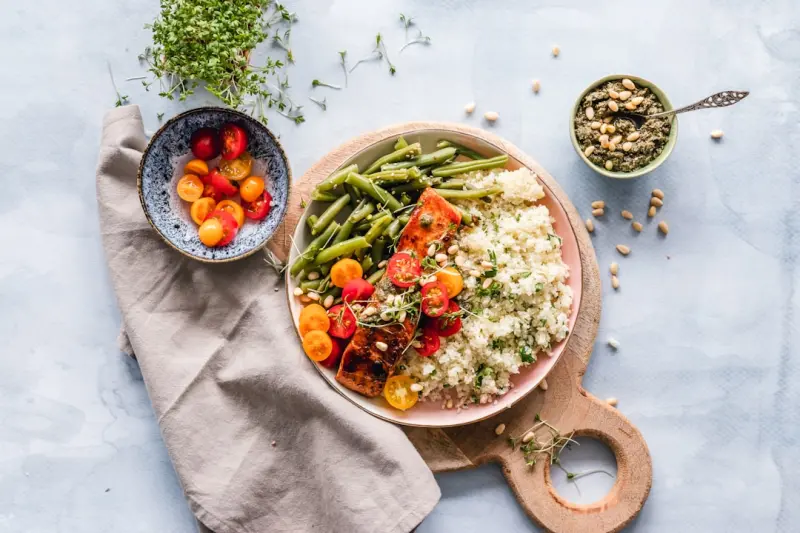
Heritage Meals, Healthier Hearts: Redesigning Traditional Cuisine to Beat Prediabetes
Explore practical ways to transform beloved traditional dishes into prediabetes‑friendly meals, us... Read More
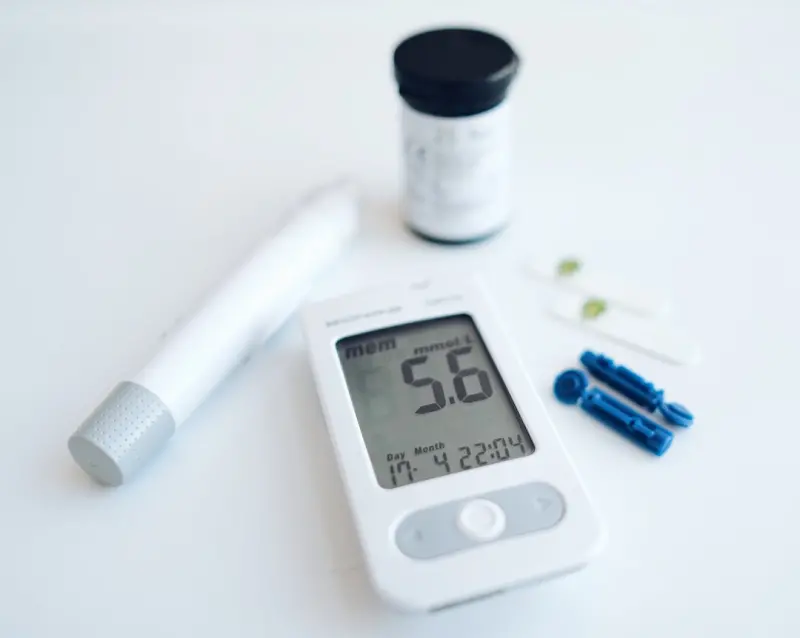
Turning Prediabetes Into a Competitive Edge: Small Wins for Big Metabolic Gains
Prediabetes can be a strategic health dashboard rather than a threat. Discover five actionable tacti... Read More

Beyond the Scale: Unconventional Paths to Reversing Prediabetes
A fresh take on prediabetes that blends flavor chemistry, playful movement, supportive environments,... Read More
Top Posts
Level Up Your Scale: Gamifying Weight Loss for Real Results
Learn how to turn weight loss into an engaging game by setting clear missions, earning points, and using tech and environment as allies. This approach boosts mo...Read More

The Surprising Power of Infant Massage: Building Health, Brain, and Bond
A deep dive into infant massage reveals its impact on immune strength, brain wiring, and emotional connection, offering parents a simple, science‑backed ritua...Read More
Why Virtual Reality Is the Next Frontier in Physiotherapy
Virtual reality is more than a novelty; it’s a game‑changing tool that boosts engagement, provides precise feedback, and accelerates healing, ushering physi...Read More

Reboot Your System: A Fresh Take on Body Detox Without Fads
A practical three‑pillar detox framework—movement‑driven lymph flow, liver‑supporting nutrition, and controlled heat therapy—offers sustainable, scien...Read More
0 Comments
Post Comment
You will need to Login or Register to comment on this post!