
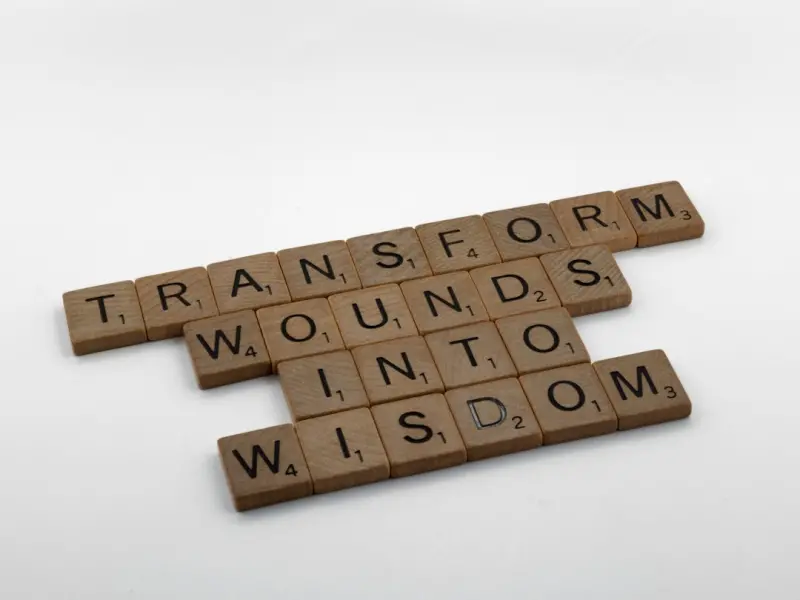
Why Autoimmune Conditions Feel Like a Silent Saboteur
Living with an autoimmune disease often feels like having an invisible opponent that picks its battles at the most inconvenient moments. One day you’re powering through a client presentation, and the next a sudden flare knocks you off your stride. The unpredictability isn’t just a medical challenge—it’s a strategic one. It forces us to rethink how we allocate energy, manage time, and even how we frame success in a high‑performance environment.
What makes it unique? Unlike acute injuries that have a clear start and end, autoimmune flare‑ups can be subtle, cumulative, and deeply intertwined with everyday stressors. They’re not just “feel‑bad days”; they’re signals that the body is reallocating resources, often at the expense of productivity, focus, and long‑term health.
Mapping the Invisible: Data as a Diagnostic Ally
When you’re used to quantifying every aspect of your work—from conversion rates to sprint velocity—you’ll naturally want to apply the same rigor to health. The good news is that modern wearables and symptom‑tracking apps now give us a way to see the invisible patterns behind autoimmune activity.
- Baseline Biometrics: Resting heart rate, HRV (heart‑rate variability), and sleep stages can act as early warning lights before a full‑blown flare.
- Symptom Journals: Tagging meals, stress events, and environmental changes against symptom severity creates a personal data set that can be mined for triggers.
- Predictive Modeling: Some platforms now use AI to suggest the probability of a flare in the next 48 hours based on historical trends.
By treating health data as a strategic asset—much like turning blood sugar into a competitive advantage in high‑performing teams—you shift from reactive crisis management to proactive optimization.
Designing a Resilient Lifestyle: Nutrition, Movement, and Mind
Autoimmune conditions demand a lifestyle that is both flexible and robust. Below are three pillars that, when aligned, create a buffer against flare‑ups.
- Targeted Nutrition: Anti‑inflammatory foods (fatty fish, leafy greens, turmeric) should be staples, but the real power lies in personalization. Some individuals thrive on a low‑FODMAP approach, while others find relief with a paleo‑like framework. Experimentation, guided by lab work and symptom tracking, is key.
- Dynamic Movement: High‑intensity intervals can be counterproductive during a flare, yet gentle mobility work (yoga, tai chi, slow‑tempo resistance) supports circulation and lymphatic drainage without overtaxing the immune system.
- Mind‑Body Integration: Practices such as mindfulness meditation, breathwork, and even creative journaling help regulate the autonomic nervous system, reducing the cortisol spikes that often precipitate flares.
When you combine these pillars, you’re not just “managing” a disease—you’re building a resilient platform that lets you stay in the game, even when the immune system throws curveballs.
The Workplace as a Healing Ecosystem
Most organizations view health as a line‑item in benefits packages. Yet for employees with autoimmune diseases, the office environment can be either a catalyst for flare‑ups or a sanctuary for recovery. Here’s how forward‑thinking companies can tilt the balance toward healing.
- Environmental Controls: Adjustable lighting, air quality monitors, and ergonomic workstations reduce physical stressors that can aggravate inflammation.
- Flexible Scheduling: Allowing team members to shift work hours around peak symptom times acknowledges the cyclical nature of autoimmune health.
- Quiet Zones: Designated spaces for brief meditation or restorative breathing breaks can lower cortisol levels throughout the day.
- Peer Support Networks: Creating communities where employees can share experiences—much like the quiet power of community storytelling—fosters empathy and reduces isolation.
When these elements become embedded in corporate culture, the workplace transforms from a stress‑inducing arena into an ally for chronic condition management.
Turning Policy into Personal Power
Health insurance is often seen as a static benefit, but for those navigating autoimmune diseases, it can be a dynamic growth engine. By leveraging policy details—such as coverage for specialist consultations, nutrition counseling, and tele‑health mental services—employees can build a comprehensive care net without incurring prohibitive out‑of‑pocket costs.
Consider the approach outlined in Health Insurance as a Growth Engine. The same mindset applies: treat your benefits as a strategic resource that fuels personal productivity and long‑term resilience.
Practical Toolkit for Today
Below is a ready‑to‑use checklist you can implement this week, whether you’re an individual navigating an autoimmune diagnosis or a manager seeking to support your team.
- Data Capture: Download a symptom‑tracking app and commit to logging meals, mood, and energy levels for 14 days.
- Nutrition Audit: Identify one anti‑inflammatory food to add to each meal this week.
- Movement Micro‑Sessions: Schedule three 5‑minute mobility breaks during your workday.
- Environment Scan: Request a light and air‑quality assessment for your office or home workspace.
- Benefit Review: Meet with HR to map out all covered services related to chronic disease management.
- Community Outreach: Join or start an internal support group; share a personal story to kick off the conversation.
Each of these steps is a low‑friction action that builds momentum toward a more predictable, empowered health trajectory.
Looking Ahead: A Paradigm Shift
Autoimmune disease will not vanish overnight, but the narrative is shifting. No longer is it solely a medical battle; it’s an ecosystem challenge that spans data science, workplace design, policy strategy, and personal habit formation. By viewing the condition through a lens of strategic optimization—much like a high‑performing team refines its playbook—you can turn the hidden saboteur into a catalyst for deeper resilience.
Remember, the journey isn’t about “curing” in the traditional sense; it’s about creating a sustainable, high‑functioning version of yourself that can thrive despite the immune system’s quirks. The tools are in your hands: data, community, policy, and purposeful habit. Use them wisely, and you’ll discover that the very thing that once felt like a limitation can become a unique source of competitive advantage.

Tammy French is a Montessori Teaching Assistant and freelance writer passionate about education, creativity, and inspiring lifelong learning through engaging content.
Related Posts

AI‑Powered Journaling: Taming the Autoimmune Storm
Learn how continuous symptom journaling combined with AI analytics can identify hidden triggers, per... Read More

Designing an Autoimmune‑Friendly Workplace: Strategies for Sustainable Success
A practical guide to creating an autoimmune‑first workplace, covering flexible hours, biofeedback ... Read More

Light, Stress, and the Silent Surge: Rethinking Autoimmune Triggers in the Modern Age
This article uncovers hidden autoimmune triggers—from ambient light and timing of stress to wearab... Read More
Top Posts

Micro‑Rituals for Expecting Mothers: Small Steps, Big Impact
Learn the power of tiny, intentional habits during pregnancy—how a few minutes of mindful breath, gentle movement, and sensory focus can transform your journe...Read More

The Hidden Lever: Harnessing Neural Drive for Unstoppable Muscle Growth
This article reveals the overlooked power of neural drive, mind‑muscle connection, and strategic recovery, offering a fresh, brain‑first approach to buildin...Read More

Beyond the Mirror: Rethinking Eating Disorders in the Digital Age
A deep dive into how digital metrics, social narratives, and workplace pressures fuel eating disorders, offering practical strategies and a call for compassiona...Read More

Turn Everyday Tasks into a Fitness Game: A Playful Blueprint
Learn to transform daily chores into a high‑score fitness game, using points, micro‑missions, and tech tools to make exercise feel like play....Read More
0 Comments
Post Comment
You will need to Login or Register to comment on this post!