
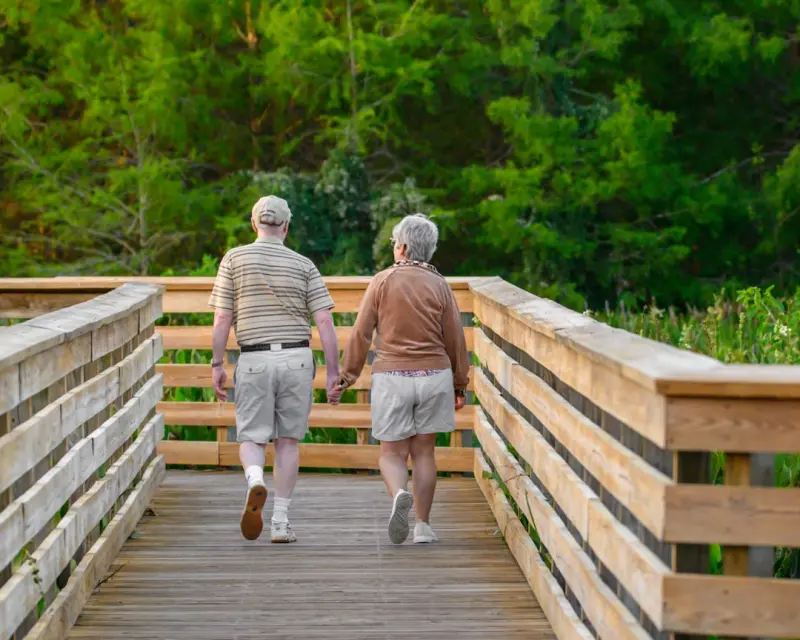
When I first heard the word “microadventure,” I imagined a tiny, whimsical excursion—perhaps a stroll to the corner bakery or a quick jaunt to the local park. Little did I know that these bite‑sized outings could become a powerful prescription for senior health. As someone who has spent the past decade coaching older adults to stay vibrant, I’ve watched countless retirees transform their daily routine with just a few minutes of purposeful wandering. In this post I’ll unpack why microadventures matter, how to design them for safety and joy, and the ripple effects they create across body, mind, and community.
Why Size Doesn’t Matter: The Science Behind Small Adventures
Research on “dose‑response” in exercise tells us that health benefits don’t always require marathon‑length sessions. A 10‑minute walk in the sunshine can trigger the release of endorphins, improve vascular function, and lower cortisol. What’s more, the novelty of a new environment stimulates the hippocampus—a brain region essential for memory formation. Even modest changes in scenery can activate the brain’s reward pathways, making us feel more alive and engaged.
Neuroscientists have shown that novelty, rather than intensity, can be a key driver of neuroplasticity in older adults. When you step off your usual route and explore a different street, you’re feeding your brain fresh sensory inputs—new smells, sounds, textures—that encourage synaptic growth. This is a subtle, low‑impact way of “rewiring” without the pressure of a high‑intensity workout.
Designing Your First Microadventure
Start with what you love. Maybe it’s the aroma of fresh coffee, the rustle of leaves, or the sound of a nearby river. Choose a destination that’s within a comfortable walking radius—5 to 15 minutes from home is a solid baseline. Here’s a quick checklist:
- Goal: Is the focus relaxation, social connection, or gentle cardio?
- Time: Aim for 10‑30 minutes of active time, plus a few minutes for settling in.
- Terrain: Flat, well‑maintained paths reduce fall risk.
- Companion: Solo exploration can be meditative; a friend adds conversation and safety.
Once you have a plan, treat it like a mini‑appointment. Mark it on your calendar, set a reminder, and pack a small “adventure kit”: a water bottle, a lightweight scarf for sudden breezes, and perhaps a notebook for jotting observations.
Physical Pay‑Off: Movement That Feels Like Play
Microadventures keep joints moving without over‑loading them. Short walks improve circulation, help maintain bone density, and support muscle tone. Because the sessions are brief, you’re less likely to experience joint pain or fatigue that can discourage longer workouts.
Adding a light resistance element—like a handheld rubber band or a set of small ankle weights—can amplify the benefits without turning the outing into a gym session. Even something as simple as pausing to stretch under a tree or doing a few gentle squats on a park bench counts as functional strength training.
Cognitive & Emotional Upsides: Mindful Exploration
When you step outside your familiar walls, you’re also stepping into a mental reset button. The novelty stimulates dopamine, which improves mood and motivation. Engaging your senses—listening to birds, feeling bark, tasting a piece of fruit from a local stand—creates a rich tapestry of memories that can later be recalled to boost mental sharpness.
For seniors who worry about “brain fog,” microadventures can serve as a natural cognitive boost. The combination of light aerobic activity and sensory novelty has been linked to improved executive function and faster reaction times. In other words, a short stroll can make you think a little clearer and feel a bit brighter.
Social Connection: Turning Tiny Trips Into Community Building
One of the most rewarding aspects of microadventures is the opportunity to meet neighbors, shop owners, and fellow walkers. A simple greeting at a neighborhood bakery can turn into a regular coffee chat, fostering a sense of belonging that combats loneliness—a known risk factor for chronic illness in seniors.
If you’re part of a senior center or a local club, consider organizing a “Microadventure Monday” where participants pick a different nearby spot each week. The shared experience creates a narrative that ties people together, much like a living scrapbook of the neighborhood.
Safety First: Making Adventures Accessible
Safety doesn’t have to mean staying indoors. Here are some practical tips to keep your microadventures safe and enjoyable:
- Check the Weather: Dress in layers; a lightweight, water‑resistant jacket can handle sudden showers.
- Footwear: Choose shoes with good traction and support. Non‑slip soles are a must for wet sidewalks.
- Visibility: Wear bright colors or reflective strips if you’ll be out near dusk.
- Hydration: Even a short walk can dehydrate, especially in warm climates. Carry a small bottle.
- Plan a Return Route: Know the distance back home and have a backup transportation plan, like a neighbor’s ride or a community shuttle.
Integrating Nutrition: Fueling the Adventure
Microadventures pair beautifully with mindful eating. After a walk, you might stop at a farmer’s market to pick up a fresh fruit or a handful of nuts. These small, nutrient‑dense snacks can enhance recovery and keep blood sugar stable.
For deeper insight on pairing food for optimal absorption, check out the post on nutrient synergy. The principles there—like combining vitamin C with iron‑rich foods—can be applied to your post‑walk snack, turning a simple treat into a mini‑nutrition lesson.
Staying Consistent: Making Microadventures a Habit
Like any habit, consistency beats intensity for long‑term health. Set a realistic goal—perhaps three microadventures per week. Use a habit‑tracking app or a simple checklist on your fridge. Celebrate small wins: a new park discovered, a friendly conversation, or simply the feeling of the sun on your face.
If you find yourself slipping, revisit your motivation. Maybe you’re aiming for better sleep, sharper memory, or a stronger social circle. Re‑aligning with the purpose behind the outings can reignite enthusiasm.
Beyond the Walk: Adding Layers of Enrichment
Microadventures can be more than just a stroll. Consider these easy add‑ons:
- Photography: Capture a favorite scene, then create a digital album that you can share with family.
- Journaling: Write a few lines about what you saw, felt, and thought. This reinforces memory and provides a reflective practice.
- Audio Exploration: Record ambient sounds—birds, wind, traffic—and later use them as calming background tracks.
- Mini‑Volunteer: Offer to help a neighbor with garden watering or pick up litter along the path. Giving back adds a sense of purpose.
Each layer deepens the experience and multiplies the health benefits, echoing the holistic approach discussed in The Longevity Edge. By integrating purpose into your outings, you’re not just moving your body—you’re moving your spirit.
Conclusion: The Power of Tiny Turns
In a world that glorifies grand gestures, the humble microadventure proves that small steps can lead to mighty outcomes. From strengthening muscles and sharpening the mind to knitting tighter social bonds, these brief forays into the world around us are a low‑barrier, high‑reward strategy for senior health. So, lace up your comfortable shoes, glance at the map, and give yourself permission to wander—just a few blocks away. Your body, brain, and community will thank you.

Kelly Reynolds is a dynamic freelance writer hailing from the picturesque landscapes of Alberta. A master of the written word, she juggles her passion for storytelling with the exhilarating chaos of being a mother to five spirited children. With an impressive portfolio that spans various genres, Kelly captivates readers through her engaging blog posts and thought-provoking articles.
Related Posts
The Quiet Power of Community Storytelling for Senior Wellness
A simple storytelling circle can be a holistic health intervention for seniors, activating brain reg... Read More
How Community Gardening Fuels Senior Vitality
Community gardening offers seniors a low‑impact workout, fresh nutrition, and vital social interac... Read More
Finding Purpose After Retirement: How Volunteering, Mentorship, and Lifelong Learning Boost Senior Health
Explore the powerful link between purpose and senior health. From volunteer work to intergenerationa... Read More
Top Posts

Why Health Insurance Benefits Need a Preventive‑First Makeover
A fresh look at health‑insurance design shows that prioritizing preventive care, telehealth, and mental‑health benefits can transform a cost center into a c...Read More
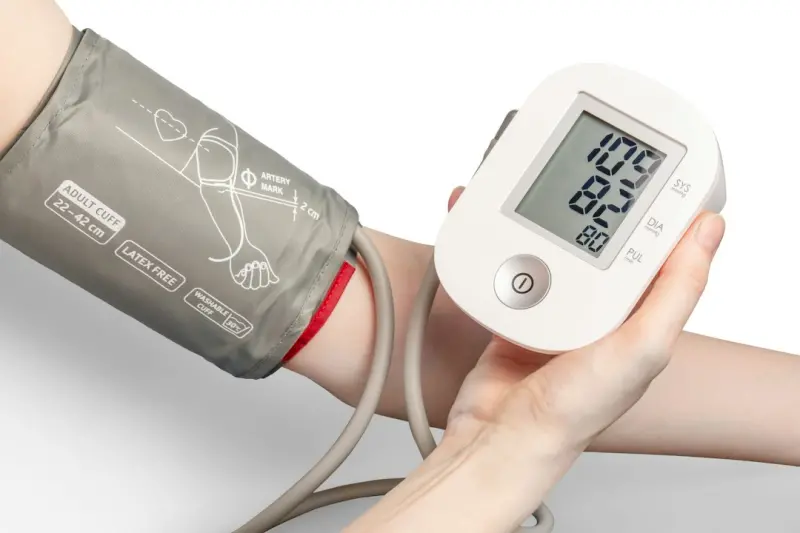
Breathing, Balance, and Everyday Blood Pressure Mastery
A hands‑on guide that blends mindful breathing, ergonomic posture, and everyday habits to help you naturally manage blood pressure, all from Tom Ferguson’s ...Read More

Beyond the Scale: A Compassionate Look at Eating Disorders
A heartfelt exploration of eating disorders that shifts focus from restriction to connection, offering actionable steps, community support, and daily rituals to...Read More

Holistic Secrets to Thrive: A Woman’s Guide to Everyday Wellness
A heartfelt guide from Tammy French on embracing holistic practices that empower women to flourish in health, energy, and confidence....Read More
0 Comments
Post Comment
You will need to Login or Register to comment on this post!