
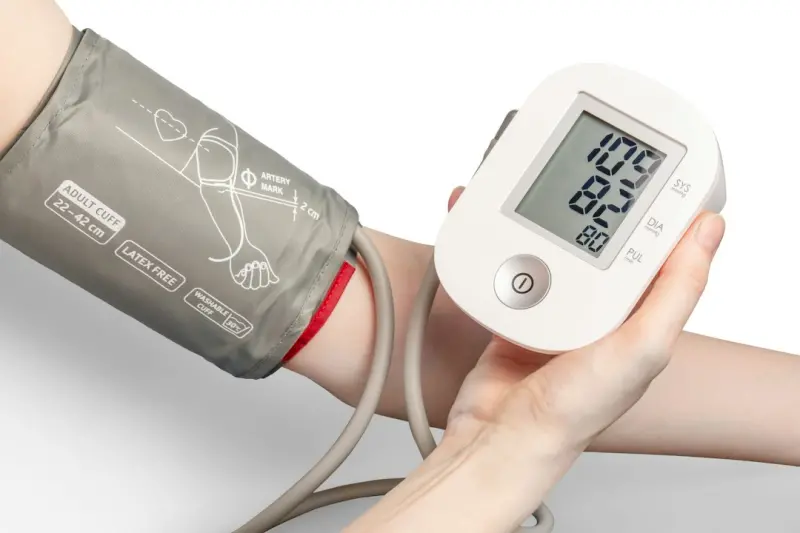
When I first stared at my home blood pressure monitor, the numbers looked like a cryptic code I’d need a Ph.D. in cardiology to crack. Over the years I’ve learned that the “code” isn’t hidden in a lab; it’s written in the rhythm of our breath, the way we sit, and the tiny, often invisible choices we make every day. In this post I’m pulling back the curtain on three low‑tech, high‑impact levers you can flip right now to keep your blood pressure humming at a healthy pitch.
1. The Breath: Your Body’s Natural Blood Pressure Regulator
Why it matters. Every inhalation expands the chest cavity, decreasing intrathoracic pressure and prompting the heart to pump a little harder. Every exhalation does the opposite, nudging the vascular system toward relaxation. When we breathe shallowly or erratically—common during stressful meetings or after a caffeine binge—we’re essentially keeping the “hard‑pump” mode on, nudging systolic numbers upward.
My first experiment? I set a timer for five minutes each morning and practiced a simple box breathing routine: inhale for four counts, hold for four, exhale for four, hold for four. Within a week my morning reading slipped by an average of four points. The key isn’t the exact pattern; it’s the consistency and the shift from rapid, shallow breaths to slow, diaphragmatic ones.
2. Posture: The Unsung Hero of Vascular Health
Most of us think of posture in terms of back pain or a polished appearance, but sitting slouched compresses the abdominal cavity, raising intra‑abdominal pressure. This, in turn, can squeeze the vena cava—the main vein returning blood to the heart—forcing the heart to work harder and nudging blood pressure up.
Here’s a quick audit you can run at your desk:
- Feet flat. Plant them firmly on the floor; avoid crossing legs, which can restrict circulation.
- Hip‑knee angle. Aim for a 90‑degree angle at both hips and knees. If your chair is too high, use a footrest.
- Shoulder blades. Gently squeeze them together and down, opening the chest and allowing the diaphragm to move freely.
- Monitor eye‑level. When the screen is too low, you’ll hunch; raise it or use a laptop stand.
Make a habit of resetting every 30 minutes. A simple stand‑up‑and‑stretch cue—like a phone alarm—can be enough to break the cycle of chronic slouching.
3. Micro‑Activity Bursts: Tiny Movements, Big Impact
If you’ve ever felt guilty about not hitting the gym, you’ll love this. It’s not about marathon sessions; it’s about sprinkling short, purposeful movements throughout the day. These micro‑activity bursts keep blood vessels elastic, improve endothelial function, and blunt the blood pressure spikes that come from prolonged sitting.
Think of each burst as a mini‑reset for your cardiovascular system. Even a 60‑second march in place or a set of calf raises can make a difference.
For a deeper dive on how tiny exercise bursts can transform your day, check out Micro‑Movements: Tiny Exercise Bursts Transform Your Day. The principles are the same—just apply them to blood pressure instead of overall fitness.
4. Temperature & Air Quality: The Ambient Factors You Overlook
Our environments whisper to our bodies in subtle ways. Warm, stagnant air can dilate blood vessels, while cold drafts trigger vasoconstriction—a narrowing of the vessels that raises pressure. Likewise, indoor pollutants (like high CO₂ levels) can elevate stress hormones, nudging blood pressure upward.
Practical steps:
- Maintain a moderate indoor temperature. Aim for 68‑72°F (20‑22°C). If your office feels too warm, use a small fan; if it’s chilly, a lightweight blanket can prevent unnecessary shivering.
- Ventilate regularly. Open windows for 5‑10 minutes each hour to refresh air and reduce CO₂ buildup.
- Introduce plants. Certain indoor plants—like snake plants and peace lilies—can improve air quality while adding a touch of calm.
5. Nutrition Tweaks That Don’t Feel Like Dieting
When it comes to blood pressure, the word “diet” often triggers resistance. Instead, think of small, sustainable swaps that keep your palate happy while supporting vascular health.
Potassium power. Potassium balances sodium’s effect on blood pressure. Incorporate potassium‑rich foods such as bananas, sweet potatoes, and beans into at least one meal a day.
Spice it up. Certain spices—like garlic, cinnamon, and turmeric—have modest blood‑pressure‑lowering properties. A dash of garlic in sautéed veggies or a sprinkle of cinnamon on oatmeal can be both tasty and therapeutic.
Hydration rhythm. Dehydration can cause blood vessels to constrict. Aim for 1.5‑2 liters of water spread evenly across the day, rather than gulping large amounts at once.
6. Mindful Tech: Using Gadgets Without Becoming a Gadget‑Slave
Technology can be a double‑edged sword. While wearable trackers can remind you to move, constant notifications can spike stress. The goal is to let tech serve you, not control you.
One approach is the “digital breathing break.” Set a gentle reminder to pause, close your eyes, and do a 30‑second box breath. The notification itself becomes a cue for calm rather than a source of anxiety.
If you’re interested in more tech‑driven approaches, you might have seen Sound, Sensors & Serenity: New Ways to Tame Blood Pressure. Those ideas are fascinating, but for many of us, the simplest tools—like a timer or a phone alarm—are enough to start a habit.
7. Building a Personal Blood Pressure Dashboard
Data can be motivating, but only if it’s presented in a way that tells a story. I recommend a simple spreadsheet or a free app where you log three things each day:
- Morning blood pressure reading.
- One breathwork session (duration and technique).
- One posture reset (time of day).
After a week, look for patterns. Do readings dip after breathwork? Do they rise after a long sitting session? This feedback loop helps you fine‑tune your routine without needing a sophisticated health platform.
8. The Power of Consistency Over Perfection
All the science in the world won’t help if you’re constantly chasing perfection. Aim for consistency: a 5‑minute breathing habit, a posture check every half hour, a 1‑minute micro‑move every hour. Those tiny commitments add up to a sustainable lifestyle shift, and your blood pressure will thank you.
In my own experience, the day I missed my morning breathwork was the day my reading spiked. It’s a reminder that the smallest habits can have outsized effects.
9. When to Seek Professional Guidance
If your home readings consistently hover above the normal range (130/80 mmHg or higher), it’s time to consult a healthcare professional. Lifestyle tweaks are powerful, but they complement—not replace—medical advice. A physician can help you determine if medication, further testing, or a specialized program is needed.
Remember, managing blood pressure is a marathon, not a sprint. The goal is to build a resilient system that can adapt to life’s inevitable stresses.
10. Your Action Plan: 7‑Day Starter Kit
Ready to put these ideas into practice? Here’s a straightforward 7‑day plan:
- Day 1–2: Introduce box breathing each morning (4‑4‑4‑4). Set a posture alarm for every 30 minutes.
- Day 3–4: Add a 60‑second micro‑activity burst after each posture reset.
- Day 5: Incorporate a potassium‑rich snack (e.g., banana or a handful of beans).
- Day 6: Adjust indoor temperature and open windows for fresh air.
- Day 7: Review your personal dashboard. Celebrate any downward trends and note what felt easiest.
Repeat the cycle, tweaking as needed. Over weeks, you’ll likely notice smoother readings, less stress, and a greater sense of control over your health.
Managing blood pressure doesn’t require a high‑tech lab or a strict regimen; it just needs awareness, intentional micro‑changes, and a dash of curiosity. By mastering breath, posture, and movement, you give your heart the environment it needs to thrive—day in, day out.

Tom Ferguson is a Canadian freelance writer with a passion for storytelling, current events, and thoughtful commentary. Drawing on years of writing experience, he shares engaging insights on a wide range of topics, bringing a uniquely Canadian perspective to his work.
Related Posts
How Real‑Time Biofeedback Turns Blood Pressure Management into a Skill
Explore a fresh approach to blood pressure control using wearable biofeedback, real‑time data loop... Read More
Beyond the Cuff: Real‑Time Strategies for Mastering Blood Pressure
A practical guide that turns continuous blood pressure monitoring into a daily habit, blending weara... Read More

Beyond the Numbers: Personal Strategies to Tame Blood Pressure
A candid, data‑driven guide shares simple breathing, posture, hydration, and digital biofeedback h... Read More
Top Posts

A Holistic Blueprint for Outsmarting Cancer in 2026
Explore a personal, holistic strategy to prevent cancer in 2026, featuring nutrition, exercise, mental resilience, and cutting‑edge digital tools....Read More

When Nightmares Turn Real: Decoding Sleep Terrors Through the Lens of Stress Hormones
A deep dive into the hormonal roots of sleep terrors, revealing how stress hormones disrupt sleep architecture and offering evidence‑based lifestyle tweaks to...Read More

The Longevity Playbook: Future‑Proofing Your Career in a Rapidly Changing World
A strategic guide that blends physical vitality, cognitive agility, and purpose to help professionals sustain peak performance and adapt to evolving workplace d...Read More

The Silent Drama of Sleep Terrors: A Practical Guide for Modern Professionals
Sleep terrors can hijack the night, especially for high‑performing professionals. This guide uncovers the science, identifies hidden triggers, and offers a st...Read More
0 Comments
Post Comment
You will need to Login or Register to comment on this post!