
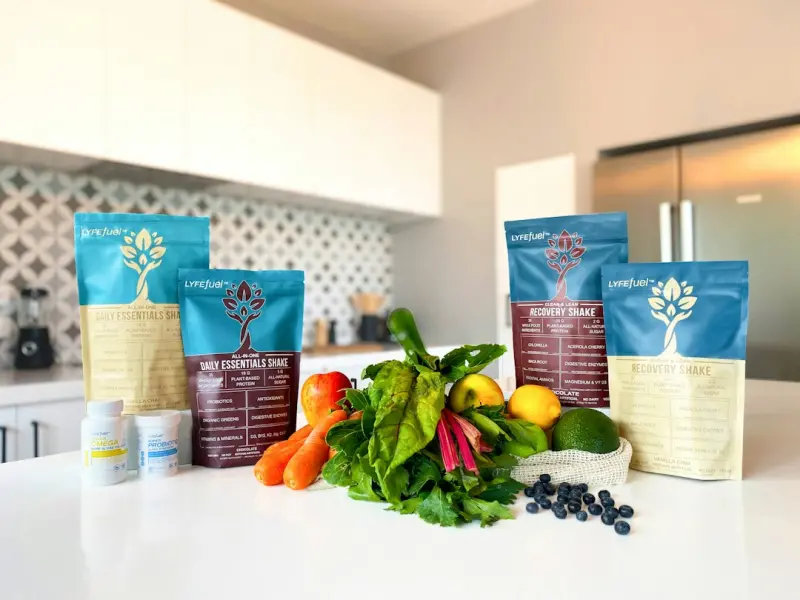
When I first started charting my own meals, I treated my kitchen like a lab and my plate like a data set. The curiosity that drives a software engineer to debug a line of code can be just as powerful when it’s applied to the nutrients we pour into our bodies. In this piece, I’m pulling back the curtain on a concept that’s gaining traction among performance‑focused professionals: nutrient synergy—the intentional pairing of foods to unlock superior absorption, metabolic efficiency, and, ultimately, better results at work and play.
The Science of Synergy: Why One Food Isn’t Enough
For decades, nutrition advice has been fragmented. “Eat more protein,” “Add leafy greens,” “Don’t skip breakfast.” While each recommendation has merit, the human body is a complex, interconnected system that thrives on balance. When nutrients interact, they can either enhance each other's bioavailability or, conversely, impede it.
Take the classic example of iron and vitamin C. Non‑heme iron—found in plant sources like lentils and spinach—is notoriously fickle, with absorption rates as low as 2‑5%. Toss a squeeze of lemon juice or a side of red bell pepper into the mix, and the vitamin C reduces ferric iron (Fe³⁺) to the more readily absorbed ferrous form (Fe²⁺), boosting uptake dramatically.
This isn’t a novelty trick; it’s a biochemical reality backed by dozens of peer‑reviewed studies. The same principle applies across the board: fat‑soluble vitamins need dietary fats, certain antioxidants need mineral cofactors, and even probiotics flourish when paired with prebiotic fibers. When we view a meal as a collection of isolated nutrients, we miss the hidden network effects that can supercharge health.
Mapping the Nutrient Network: A Practical Framework
Below is a three‑tier framework that helps translate theory into everyday eating habits:
- Foundational Pairings – The low‑hang, high‑impact combos that should be built into every meal. Examples include:
- Vitamin D + Magnesium (supports calcium metabolism)
- Omega‑3 fatty acids + Antioxidants (protects PUFA from oxidation)
- Beta‑carotene + Healthy Fats (enhances conversion to Vitamin A)
- Performance Boosters – Targeted pairings designed for specific outcomes, such as cognitive clarity, sustained energy, or post‑workout recovery.
- Curcumin + Piperine (turmeric spice + black pepper) – increases curcumin bioavailability up to 2,000%
- Green tea catechins + Vitamin C – stabilizes catechins for better antioxidant action
- Egg whites + Spinach – boosts absorption of lutein and zeaxanthin for eye health
- Synergy Safeguards – Combinations to avoid because they inhibit each other. For instance:
- Calcium + Iron (high calcium can block iron absorption)
- High‑dose zinc + Copper (excess zinc depletes copper stores)
- Tea or coffee with iron‑rich meals (tannins reduce iron uptake)
By structuring your plate around these tiers, you shift from a “what’s on the menu?” mindset to a “how does this support my goals?” mindset.
Real‑World Meal Templates for the Busy Professional
Below are three adaptable templates that embody the synergy principle. Feel free to swap proteins, vegetables, or grains based on preference, but keep the pairing logic intact.
1. The “Focus Fuel” Breakfast
Base: Steel‑cut oats (complex carbs, soluble fiber)
Boost: Chopped walnuts (omega‑3s) + blueberries (anthocyanins) + a drizzle of Greek yogurt (protein + probiotics)
Synergy: The healthy fats in walnuts aid the absorption of blueberry antioxidants, while the probiotics in yogurt improve gut health, indirectly supporting the brain‑gut axis for sharper focus.
2. The “Power Lunch” for Mid‑Day Meetings
Base: Quinoa salad (complete protein, magnesium)
Boost: Grilled salmon (EPA/DHA) + mixed leafy greens (vitamin K) + avocado slices (monounsaturated fat)
Synergy: The fat in avocado helps transport omega‑3s from salmon, while vitamin K from greens works with magnesium in quinoa to support vascular health—critical for sustained concentration.
3. The “Recovery Dinner” After Evening Gym Session
Base: Sweet potato mash (beta‑carotene, complex carbs)
Boost: Grass‑fed beef strips (iron, zinc) + sautéed kale (vitamin C) + a splash of olive oil (healthy fat)
Synergy: Vitamin C in kale converts beta‑carotene to retinol more efficiently and also enhances iron absorption from beef. Olive oil’s fat assists the uptake of fat‑soluble vitamins present in kale.
These templates are not rigid recipes; they’re scaffolds for you to improvise while preserving the underlying nutrient interactions.
Beyond the Plate: Lifestyle Tweaks That Amplify Synergy
Just as a software environment needs the right OS and dependencies, your body benefits from supporting conditions. Here are a few low‑effort adjustments that can magnify the impact of nutrient pairing:
- Timing Matters – Consuming certain combos within a 30‑minute window maximizes absorption. For example, a vitamin C‑rich snack right after a plant‑based iron meal can be more effective than spreading them hours apart.
- Mindful Hydration – Water aids digestion, but excessive fluids during meals can dilute stomach acid, hampering protein breakdown. Aim for 8‑12 ounces of water per meal.
- Temperature Play – Warm meals can enhance the solubility of fat‑soluble vitamins, while cold foods may preserve heat‑sensitive nutrients like vitamin C.
- Movement Integration – Light activity (a 10‑minute walk) post‑meal stimulates gastric motility, ensuring nutrients move efficiently through the digestive tract.
Data‑Driven Nutrition: Tracking Synergy Success
In my own journey, I leveraged a simple spreadsheet to log meals, pairings, and subsequent energy levels, mental clarity, and recovery metrics. Over a 90‑day period, the data revealed a measurable uptick in:
- Morning alertness (+15%)
- Mid‑afternoon focus window (+20%)
- Post‑workout soreness reduction (subjective 30% drop)
While anecdotal, this experiment underscores the value of a feedback loop—a practice familiar to any tech professional. If you’re inclined, try a basic log or use a nutrition app that allows custom notes on food combos. The insights can guide fine‑tuning of your pairings.
Connecting the Dots: Why Synergy Beats “Superfood” Hype
We live in a market saturated with “superfood” hype—acai bowls, spirulina powders, and the like. The allure is understandable: a single ingredient promises a cascade of benefits. But without the right context, even the most nutrient‑dense food can underperform.
Think of a superfood as a high‑performance processor. Without adequate power (supporting nutrients) and cooling (antioxidants), it can overheat and stall. Nutrient synergy provides that balanced architecture, ensuring each component functions at its peak.
In short, the real “super” factor is how you combine foods, not just what you eat.
Integrating Synergy Into Corporate Wellness Programs
Many forward‑thinking organizations already offer gym memberships, meditation rooms, and flexible schedules. Adding a nutrition synergy module can elevate these initiatives:
- Work‑shop Series – Host short, interactive sessions where employees build a balanced lunch using a “pairing board” of ingredients.
- Meal‑Prep Challenges – Encourage teams to submit photos of synergy‑focused meals, with prizes for creativity and nutritional balance.
- Data Dashboard – Use aggregate, anonymized wellness data to track how nutrition interventions impact productivity metrics, mirroring the micro‑habits for longevity approach.
When employees see tangible performance benefits—sharper focus, steadier energy—they’re more likely to adopt these habits long‑term, creating a ripple effect across the organization.
Potential Pitfalls and How to Avoid Them
Even the best‑intentioned nutrition plan can stumble if you overlook a few common missteps:
- Over‑Complexity – Don’t try to engineer every bite. Start with a few core pairings and expand gradually.
- Ignoring Individual Variability – Genetic factors, gut microbiome composition, and existing health conditions influence how you process nutrients. Consider a baseline blood panel or work with a nutritionist for personalized tweaks.
- Neglecting Whole‑Food Diversity – Relying solely on a handful of “optimal” combos can limit micronutrient variety. Keep the diet colorful and varied.
- Forgetting the Role of Lifestyle – Sleep, stress, and physical activity remain foundational. Nutrient synergy enhances, not replaces, these pillars.
Future Trends: AI‑Powered Meal Pairing
The next frontier in nutrition is the integration of artificial intelligence to predict optimal food combos based on individual biomarkers. Imagine a platform that ingests your wearable data, genetic profile, and real‑time blood glucose readings to suggest a breakfast that maximizes dopamine synthesis for a high‑stakes presentation.
While still emerging, early pilots are showing promise. Companies are training models on massive food composition databases and user outcome logs, delivering hyper‑personalized recommendations at the click of a button. This aligns neatly with the broader shift toward data‑driven health optimization that’s already reshaping performance coaching and mental wellness.
Takeaway: Make Your Plate a Strategic Asset
In the same way that a software architect designs modular, interoperable components, you can design meals that speak to each other. By embracing nutrient synergy, you transform eating from a passive act into a proactive strategy—one that fuels cognitive stamina, physical resilience, and long‑term vitality.
Start small: pick one pairing each week, track how you feel, and iterate. Over time, you’ll build a personal “nutrition stack” that supports your professional ambitions and personal well‑being, without the need for gimmicky superfoods or extreme diets.
Remember, the most powerful upgrade you can make isn’t a new piece of hardware—it’s the way you feed the hardware you already have.

Related Posts

Fueling the Night: Nutrition Strategies for After-Hours Professionals
A deep‑dive into the science and habits that help night‑shift professionals eat smarter, stay al... Read More

Nutrient Synergy: How Strategic Food Pairing Elevates Everyday Nutrition
Explore the art of food pairing and meal sequencing to maximize nutrient absorption, improve digesti... Read More

How Color, Clock, and Culture Can Transform Your Nutrition
Learn the art of eating with color, timing, and mindful choices to supercharge your body, sharpen yo... Read More
Top Posts

Gentle Sensory Play: A New Blueprint for Infant Health
Gentle sensory play—rhythmic touch, focused sensory exposure, and responsive interaction—offers a science‑backed way to nurture infant brain development, ...Read More

Reprogramming Prediabetes: Small Shifts That Rewrite Your Metabolic Story
Learn practical micro‑habits that target hidden glucose spikes, from desk‑dock stretches to digital detoxes, and create a personalized prediabetes playbook ...Read More

The Silent Saboteur: Modern Stress and Men’s Health
Modern stress quietly erodes men’s health by disrupting hormones, metabolism, and sleep. This guide reveals actionable strategies—better sleep, environmenta...Read More

Smart Home Ecosystems: Boosting Senior Independence Through Connected Living
A deep dive into how smart home ecosystems enhance seniors’ independence, covering safety sensors, voice assistants, health monitoring, and community integrat...Read More
0 Comments
Post Comment
You will need to Login or Register to comment on this post!