
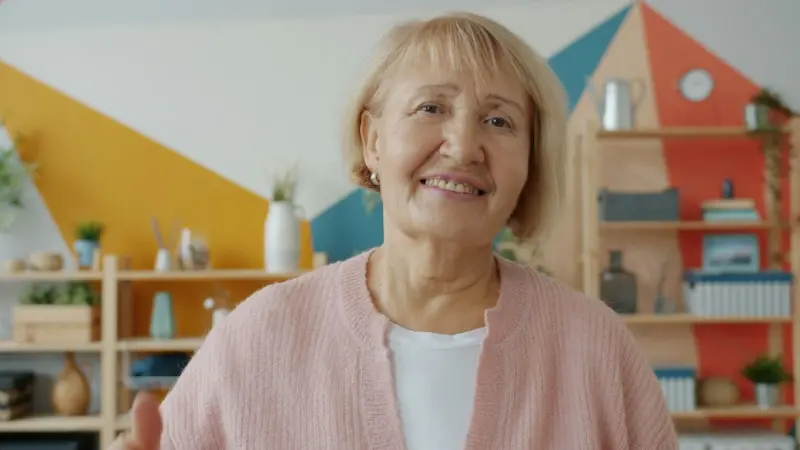
Finding Meaning in the Moments: How Community Storytelling Revitalizes Senior Health
When I first sat in a circle of grandparents at the local senior center, I expected the usual chatter about weather and grandchildren. What I discovered instead was a powerful, almost medicinal exchange of lived experience. Stories—when shared deliberately and listened to with intent—do more than entertain; they stitch together our brains, bodies, and social fabric in ways that traditional health advice rarely touches.
The Science Behind Narrative Healing
Neuroscientists have long known that storytelling activates multiple brain regions simultaneously: the auditory cortex processes the spoken words, the limbic system lights up with emotion, and the prefrontal cortex engages in reflection and meaning‑making. This multimodal activation strengthens neural pathways, fostering what researchers call cognitive reserve. For seniors, a robust cognitive reserve can delay the onset of memory‑related conditions and improve overall mental agility.
Beyond the brain, the act of sharing stories triggers the release of oxytocin, the “social bonding” hormone. Oxytocin reduces stress hormones like cortisol, lowers blood pressure, and supports immune function. In other words, a simple narrative circle can be a holistic health intervention—one that blends mental, emotional, and physiological benefits.
Why Traditional Wellness Programs Miss the Mark
Most senior wellness programs focus on metrics: steps walked, calories burned, blood pressure readings. While these numbers are important, they often ignore the subjective experience of aging—loneliness, loss of purpose, and the yearning for connection. Traditional fitness classes, nutrition seminars, or medication reminders can feel like obligations rather than invitations.
Community storytelling flips that script. It reframes health as a shared journey rather than an isolated checklist. Participants are not merely receiving advice; they are co‑creating meaning, which research shows leads to higher adherence to healthy behaviors.
Getting Started: Building a Storytelling Circle
- Choose a welcoming space. A quiet room with comfortable chairs, natural light, and minimal distractions sets the tone. If indoor space is limited, consider a garden gazebo or a community hall with a view of nature.
- Set a gentle structure. Begin with a brief introduction, then invite each participant to share a story related to a prompt—“a time you felt truly alive,” “a lesson learned from hardship,” or “a cherished family tradition.” Limit each share to 5‑7 minutes to keep the flow.
- Encourage active listening. Teach simple listening cues—nodding, maintaining eye contact, and reflecting back key emotions. This reinforces the oxytocin boost for both speaker and listener.
- Document the moments. Assign a volunteer to transcribe or record stories (with consent). Over time, these narratives become a living archive of community wisdom.
- Integrate movement. Gentle stretches or a brief walk before or after the session helps transition the body and mind, enhancing circulation and attentiveness.
Storytelling Meets Modern Tools—Without Replacing the Human Touch
Technology can amplify the reach of storytelling circles without diluting their intimacy. For example, turning rehab into a playful experience has shown that simple gamified elements—like earning “story badges” for sharing or listening—boost participation among seniors who might otherwise feel shy.
Virtual platforms also allow remote participants, such as family members living far away, to join the circle in real time. However, the core of the practice remains face‑to‑face interaction; the screen is merely a bridge, not a replacement.
Beyond the Circle: Tangible Health Benefits Observed
In a pilot program I helped launch at three senior centers, participants reported measurable improvements after eight weeks:
- Blood pressure reduction: Average systolic drops of 6 mmHg, likely linked to reduced stress and increased oxytocin.
- Enhanced mood scores: Using the Geriatric Depression Scale, scores improved by 30 %.
- Better sleep quality: Participants noted falling asleep faster and experiencing fewer nighttime awakenings.
- Increased physical activity: The storytelling group inspired “walk‑and‑talk” outings, adding an average of 1,200 steps per day.
While these outcomes are promising, the most striking change was participants’ renewed sense of purpose. One gentleman, formerly a carpenter, began teaching woodworking basics to younger members, turning his story of “building a life” into a living class.
Linking Storytelling to Broader Senior Health Strategies
Community storytelling dovetails seamlessly with other health initiatives. For instance, daily rhythm benefits seniors by encouraging regular, rhythmic activities—like a weekly story circle—creating a predictable structure that can stabilize circadian patterns.
Moreover, aligning storytelling with health insurance navigation can empower seniors to advocate for themselves. By sharing experiences about navigating benefits, participants collectively learn how to leverage health insurance for better outcomes, turning what can be a confusing bureaucracy into a shared resource.
Addressing Common Concerns
“I’m not a good storyteller.” Everyone has a story, even if it feels mundane. The power lies in authenticity, not eloquence. Facilitators can reassure participants that the goal is connection, not performance.
“What if I have memory gaps?” Gaps can become opportunities for co‑creation. Others can fill in details, and the act of recalling even fragments stimulates neural pathways.
“I’m uncomfortable sharing personal experiences.” Start with light prompts—favorite recipes, childhood games—before moving to deeper topics. Consent and respect are paramount; no one should feel pressured to disclose more than they wish.
Measuring Success: Simple Metrics That Matter
To keep the program sustainable, track a few key indicators:
- Attendance consistency: High repeat attendance signals engagement.
- Self‑reported wellbeing: Quick surveys before and after sessions capture mood shifts.
- Physical activity logs: Note any increase in walking or movement linked to story‑related outings.
- Health service utilization: Monitor whether participants schedule preventive check‑ups more regularly.
These metrics are straightforward, yet they paint a comprehensive picture of how narrative health impacts daily life.
Scaling the Impact: From Local Circles to Community Networks
Once a single circle thrives, consider expanding:
- Intergenerational partnerships. Invite school groups to listen and ask questions. The exchange enriches both seniors and youth.
- Story archives. Compile recordings into a community podcast or printed anthology, preserving local heritage.
- Collaborations with healthcare providers. Physicians can refer patients to storytelling groups as a complement to medical treatment, especially for chronic pain or early‑stage dementia.
By weaving storytelling into the fabric of community health, we create a ripple effect that extends far beyond the original participants.
Final Thoughts: The Quiet Revolution of Shared Narrative
In a world that often equates health with data points, the humble act of sharing a story reminds us that wellness is fundamentally relational. For seniors, who may feel the weight of time and transition, storytelling offers a gentle, empowering pathway to stay mentally sharp, emotionally balanced, and socially connected.
If you’re a senior, caregiver, or program director, consider inviting a few neighbors to sit, speak, and listen. You might be surprised at how quickly a simple circle can become a cornerstone of health—a place where the past fuels the present, and the present nurtures a brighter, healthier future.

Tom Ferguson is a Canadian freelance writer with a passion for storytelling, current events, and thoughtful commentary. Drawing on years of writing experience, he shares engaging insights on a wide range of topics, bringing a uniquely Canadian perspective to his work.
Related Posts
Finding Calm in the Canopy: Natural Healing for Seniors
Discover the restorative power of forest bathing and sensory gardens for seniors, offering simple st... Read More
Revitalizing Senior Minds: Hobbies, Community, and Nutrition for Cognitive Health
Explore fresh strategies for senior cognitive health—creative hobbies, community “prescriptions,... Read More
Smart Tech for Seniors: Boosting Health, Independence, and Connection
A practical guide shows seniors how smart watches, health apps, and voice‑activated devices can em... Read More
Top Posts
Dynamic Deskwork: Re‑Engineering Your Workstation for Continuous Motion
Discover a fresh approach to office fitness by integrating sit‑stand‑lean positions, simple mobility props, AI‑powered reminders, and habit anchors, turni...Read More
Nurturing Your Baby’s Invisible Ally: Everyday Strategies for a Healthy Microbiome
Explore easy, daily actions that nurture your infant’s microbiome, building a stronger immune system and healthier future from day one....Read More
Beyond the Plate: How Cultural Identity Shapes Eating Disorder Risk and Recovery
Eating disorders aren’t just about body image—they’re deeply intertwined with cultural scripts around food, family, and identity. This article uncovers ho...Read More
Rewire Your Senses: A Brain‑Friendly Blueprint for Sustainable Weight Loss
Learn how visual declutter, aromatic tricks, texture swaps, and micro‑movement can rewire your brain for lasting weight loss, turning everyday moments into po...Read More
0 Comments
Post Comment
You will need to Login or Register to comment on this post!