
Finding Purpose in the Later Chapters
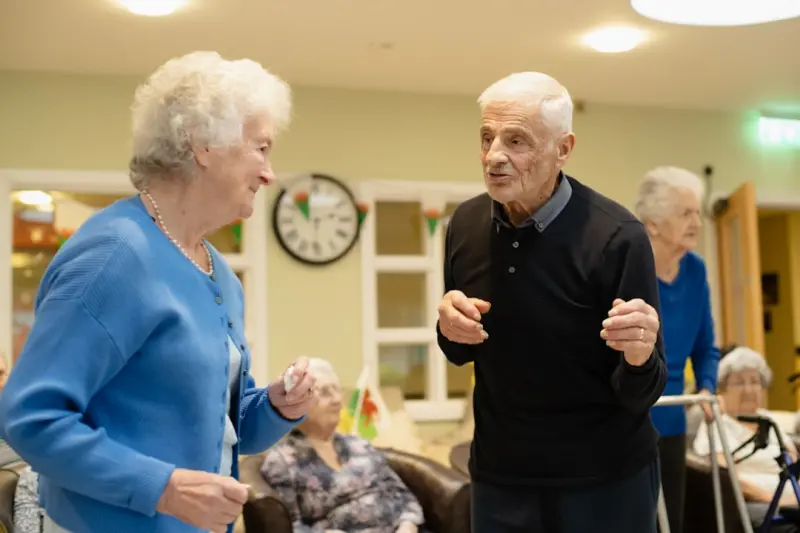
When I first retired, the days stretched out like an empty canvas, and I felt a sudden urge to fill it with meaning beyond the routine of grocery trips and morning walks. Purpose isn’t a luxury reserved for the young; it’s a vital nutrient for the heart and mind at any age, acting like a daily vitamin that fuels motivation and resilience. I discovered that redefining my role in the community—whether as a mentor, a volunteer, or a hobby leader—creates a ripple effect that lifts both the giver and the receiver. The simple act of setting a weekly goal, like leading a book club or organizing a garden project, transformed my outlook from “what’s next?” to “what can I contribute now?” This shift not only combats the quiet loneliness that can settle in later life but also sharpens cognition, improves mood, and reinforces a sense of belonging that is essential for thriving seniors.
The Power of Social Connection
Research consistently shows that seniors with strong social networks enjoy lower rates of chronic illness, reduced depression, and even longer lifespans. The secret lies in the daily exchanges—laughing over a shared story, swapping recipes, or simply holding a hand during a park stroll—that release oxytocin and lower cortisol, the body’s stress hormone. I’ve found that small, regular gatherings, like a weekly coffee meetup at the senior center, create a rhythm of connection that feels as vital as any medication. Moreover, these interactions serve as informal health checks; friends notice changes in appetite, mood, or mobility that might otherwise go unnoticed. By nurturing these bonds, we build a safety net that supports both physical and emotional well‑being, turning loneliness into a community‑wide responsibility.
Tech That Bridges Gaps, Not Walls
Contrary to the stereotype of seniors shunning technology, many of us are embracing digital tools that keep us linked to loved ones and local activities. Video‑calling platforms, community apps, and even simple text reminders have become lifelines, especially when mobility limits in‑person visits. I started using a neighborhood app that posts free exercise classes, art workshops, and volunteer opportunities right at my fingertips. The beauty of this technology is that it removes the friction of “who knows what’s happening?” and replaces it with a curated feed of options tailored to senior interests. When a friend taught me how to set up a group chat for our knitting circle, attendance surged because members could instantly confirm times, share pattern photos, and celebrate finished projects together, no matter where they lived.
Intergenerational Exchanges: Learning Both Ways
One of the most rewarding experiences I’ve had is participating in intergenerational programs that pair seniors with students for mutual learning. The youth bring fresh perspectives on digital media, while we share stories, craftsmanship, and life lessons that textbooks can’t capture. In a local library partnership, I mentor a group of middle‑schoolers in oral history techniques; they, in turn, help me navigate social media algorithms so I can post updates about our garden club. These reciprocal relationships break down ageist assumptions, foster empathy across generations, and provide mental stimulation that keeps the brain agile. The laughter and curiosity that flow during these sessions prove that learning truly has no expiration date.
Community‑Based Physical Activity
Staying active isn’t just about hitting the gym; it’s about finding movement that feels social and enjoyable. Many senior centers now offer low‑impact classes like water aerobics, tai chi, and dance that double as fitness and friendship opportunities. I joined a gentle yoga group that meets on the community garden’s patio, where we stretch under the sunrise while swapping gardening tips. The combination of gentle exercise and communal atmosphere boosts cardiovascular health, improves balance, and reduces the risk of falls—all while reinforcing the sense of belonging. When the instructor incorporates mindfulness pauses, participants leave feeling both physically refreshed and mentally centered, ready to tackle the day’s tasks with confidence.
Keeping the Brain Sharp
Just as our muscles need regular use, our brains thrive on varied challenges that keep neural pathways flexible. Engaging in puzzles, learning a new language, or playing strategy games with peers can stave off cognitive decline. I recently started a weekly “brain‑boost” club where we rotate through chess, crossword puzzles, and memory‑training apps. The social element adds a competitive yet supportive twist that motivates each member to push a little further. For those seeking deeper insight, exploring resources on keeping the brain sharp can provide evidence‑based strategies to integrate mental exercises into daily routines, ensuring that our intellect remains as vibrant as our spirit.
Navigating Health Care with Confidence
Understanding the maze of senior health benefits can feel overwhelming, but it’s a crucial skill for preserving independence and quality of life. By proactively reviewing insurance plans, seniors can uncover services like preventive screenings, telehealth visits, and wellness programs that are often underutilized. I took a workshop that demystified my coverage, revealing that I was eligible for a free nutrition counseling session and a discounted gym membership. Leveraging these perks not only reduces out‑of‑pocket costs but also encourages a proactive approach to health. For a deeper dive into maximizing benefits, readers may find the guide on leveraging health insurance benefits an invaluable resource for turning paperwork into practical support.
Shared Meals and Nutritional Joy
Food has always been a conduit for connection, and shared meals offer both nutritional and emotional nourishment. Community kitchens and senior dining programs provide balanced menus while fostering camaraderie around the table. I’ve discovered that cooking together—whether it’s a potluck of heritage recipes or a themed healthy‑eating night—creates opportunities to exchange tips on low‑sodium cooking, portion control, and ingredient swaps that retain flavor. These gatherings also serve as informal health check‑ins; friends notice changes in appetite or weight and can gently suggest a doctor’s visit if needed. The ritual of eating together reinforces routine, reduces isolation, and reminds us that health is a collective journey, best traveled with a fork in hand and a friend beside you.
Embracing a Future Filled with Connection
As I reflect on the tapestry of relationships, activities, and resources that have enriched my senior years, I realize that thriving isn’t a passive state—it’s an active, intentional practice. By weaving purpose, community, technology, and proactive health management into daily life, we create a resilient foundation that supports both body and mind. I encourage every senior reader to explore one new avenue this month—be it a virtual class, a volunteer role, or a simple walk with a neighbor. The ripple effect of these small steps can transform not only individual well‑being but also the broader fabric of our aging community, proving that the later chapters can be the most vibrant and rewarding of all.

Kelly Reynolds is a dynamic freelance writer hailing from the picturesque landscapes of Alberta. A master of the written word, she juggles her passion for storytelling with the exhilarating chaos of being a mother to five spirited children. With an impressive portfolio that spans various genres, Kelly captivates readers through her engaging blog posts and thought-provoking articles.
Related Posts
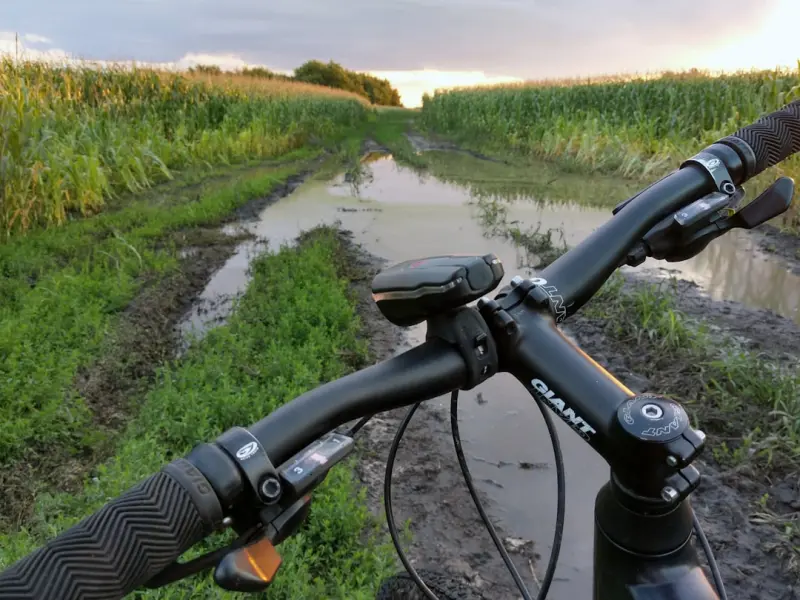
Tech-Enabled Trails: How Smart Outdoor Gear Is Redefining Senior Wellness
Smart outdoor gear transforms senior walks into safe, health‑tracking, and socially connected adve... Read More
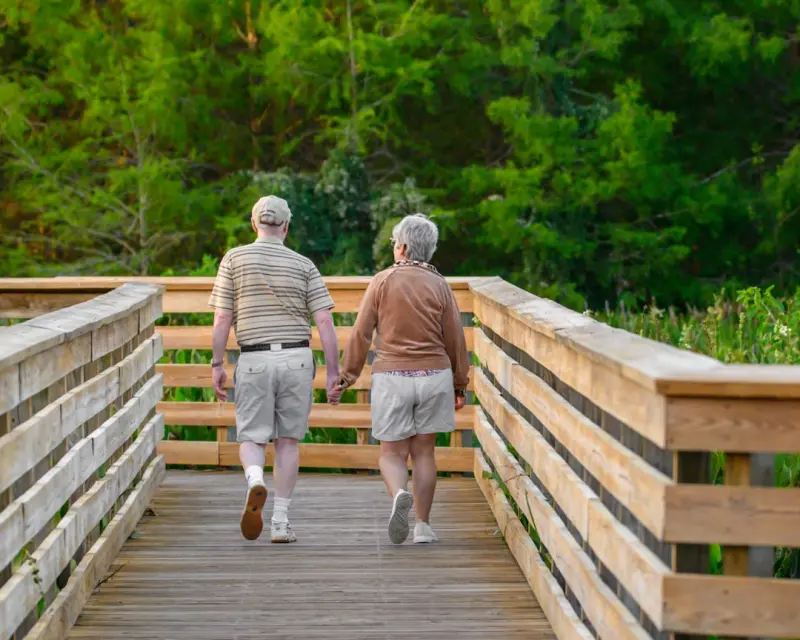
Tiny Trips, Big Benefits: How Microadventures Boost Senior Health
A fresh look at how tiny trips—called microadventures—can energize seniors, strengthen bodies, s... Read More

Holistic Paths to Senior Health and Vitality
Explore practical, holistic approaches to senior health, from mindful nutrition and gentle exercise ... Read More
Top Posts

Quieting the Night: Unexpected Strategies to Outsmart Insomnia
A fresh take on insomnia: learn how light, hydration, micro‑rituals, and gut health can reset your night and bring back restful sleep....Read More

Navigating Perimenopause: A Holistic Roadmap for Women
A fresh, holistic roadmap helps women turn perimenopause challenges into opportunities for lasting vitality through diet, movement, sleep, and supportive commun...Read More

Chrono‑Smart Living: How Timing, Tiny Stressors, and Community Can Extend Your Life
A unique longevity plan that syncs your daily habits with internal clocks, adds purposeful micro‑stress, and leverages community rhythm to boost health and ex...Read More

The Biofeedback Blueprint: Turning Everyday Cues Into Blood Pressure Allies
Learn how to transform blood pressure from a static number into a dynamic conversation using breath, posture, and environmental cues, supported by wearable tech...Read More
0 Comments
Post Comment
You will need to Login or Register to comment on this post!