
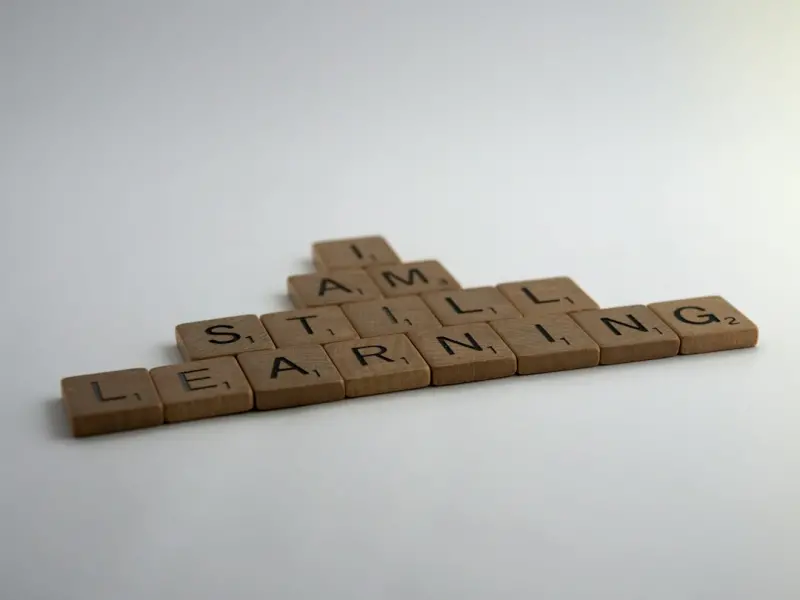
When we think about healthy aging, the conversation often lands on diet, exercise, or sleep. Those pillars are undeniably important, but there’s a quieter, equally powerful factor that rarely makes the headline: the habit of intentional learning. I’ve spent the last two decades watching colleagues, clients, and friends reinvent themselves by picking up new skills—whether it’s a programming language, a musical instrument, or a garden plot. The common thread? A measurable boost in cognitive resilience, emotional wellbeing, and even physical health. In this post, I’ll unpack the science behind lifelong learning, share practical ways to embed it into daily life, and illustrate how it can become a cornerstone of a thriving, healthy age.
The Neuroscience of Neuroplasticity in Midlife and Beyond
Neuroplasticity—the brain’s ability to reorganize its wiring—is often portrayed as a phenomenon of early childhood. Modern research, however, tells a different story. Even in our 60s and 70s, the brain retains a remarkable capacity to form new connections, prune old ones, and strengthen pathways that are repeatedly activated. This adaptability is driven by synaptic plasticity, which is enhanced when we challenge ourselves with novel, complex tasks.
When you learn something new, the brain releases dopamine, a neurotransmitter linked to motivation and reward. Dopamine also promotes the growth of brain‑derived neurotrophic factor (BDNF), a protein that supports the survival of existing neurons and encourages the growth of new ones. The result? Sharper memory, faster processing speed, and a buffer against age‑related cognitive decline.
Purposeful Learning vs. Passive Consumption
There’s a subtle but crucial difference between learning and simply consuming information. Watching a documentary or scrolling through an article offers exposure, but true learning requires active engagement—solving problems, practicing skills, receiving feedback, and iterating. This active component is what triggers the neurochemical cascade described above.
Take a moment to reflect on your last “learning” experience. Did you merely watch a tutorial, or did you sit down, practice, make mistakes, and adjust? The latter is the engine of neuroplastic growth. For aging adults, turning passive consumption into purposeful practice can be the difference between maintaining mental acuity and watching it erode.
Why Skill Acquisition Fuels Physical Vitality
It might sound surprising, but learning new skills can also invigorate the body. Studies on strength training for older adults have shown that the mental focus required to master movement patterns reduces the perception of effort, leading to longer, more consistent workouts. Moreover, learning activities that involve coordination—like dancing, tai chi, or even video‑game motion controls—enhance balance and proprioception, reducing fall risk.
Beyond movement, the act of learning often introduces lifestyle changes. A person who takes up photography might start walking more to capture different scenes, while a budding chef will explore fresh, whole ingredients. These indirect benefits create a positive feedback loop that reinforces both mental and physical health.
Social Connection Through Shared Learning
Human beings are social creatures, and learning is inherently collaborative. Joining a community class, a book club, or an online forum provides not just knowledge but also a sense of belonging. Social interaction itself is a potent protector against cognitive decline; it stimulates language centers, emotional regulation circuits, and empathy pathways.
When you pair learning with social connection, you hit two pillars of healthy aging in one go. Whether it’s a community gardening group, a local coding bootcamp for seniors, or a weekly language exchange, the shared experience amplifies motivation and accountability, turning a solitary pursuit into a vibrant, supportive habit.
Designing a Personal Learning Blueprint
To harness the full potential of lifelong learning, it helps to treat it like a health regimen—structured, progressive, and measurable. Here’s a simple framework to get started:
- Identify a Growth Area: Choose something that excites you and aligns with your values—be it music, a foreign language, or a technical skill.
- Set Micro‑Goals: Break the larger ambition into bite‑sized milestones (e.g., “learn five new chords” or “write a simple program”).
- Schedule Consistency: Dedicate a fixed time slot each week. Consistency beats intensity for neuroplastic reinforcement.
- Seek Feedback: Use mentors, peer groups, or digital platforms that offer corrective input.
- Reflect and Iterate: Periodically assess progress, adjust goals, and celebrate achievements.
This blueprint mirrors how we approach physical training—start with a warm‑up, progress gradually, and track outcomes. The brain responds similarly, rewarding consistent effort with structural improvements.
Integrating Learning Into Daily Routines
Busy schedules can make dedicated “learning blocks” feel unrealistic. The trick is to weave micro‑learning moments throughout the day. Here are a few practical ideas:
- Morning Flashcards: Spend five minutes reviewing language vocab or technical terms while sipping coffee.
- Commute Podcasts: Choose shows that teach a skill, from history storytelling to coding basics.
- Lunch‑Break Sketching: Sketching or doodling activates visual‑spatial networks and can improve problem‑solving.
- Evening Journaling: Write a short reflection on what you learned, reinforcing memory consolidation.
These snippets add up. Research suggests that distributed practice—short, frequent sessions—outperforms marathon sessions for long‑term retention.
Technology as an Ally, Not a Distraction
In the age of endless notifications, technology can feel like a double‑edged sword. When used mindfully, however, it becomes a powerful learning accelerator. Platforms offering structured courses, adaptive quizzes, and community forums can keep you on track. For those wary of digital overload, consider applying digital focus strategies—turn off non‑essential apps, schedule “no‑screen” learning periods, and use timers to protect deep work windows.
Virtual reality (VR) and augmented reality (AR) are also emerging as immersive learning tools, especially for physical coordination and spatial reasoning. Even a simple tablet can host language apps with speech recognition, providing immediate feedback that accelerates mastery.
Holistic Rejuvenation Practices Complement Learning
While learning fuels the mind, pairing it with holistic practices amplifies the benefits. Simple habits like holistic rejuvenation practices—adequate hydration, gentle movement, and breath work—optimize the brain’s metabolic environment, making it more receptive to new information.
Sleep, of course, remains essential. During deep sleep, the brain consolidates memories, pruning unnecessary connections and strengthening the ones you’ve worked on. A well‑rested mind is more flexible, creative, and ready to learn.
Case Study: The 68‑Year‑Old Guitarist
Consider Margaret, a 68‑year‑old retired accountant who took up guitar after a friend’s birthday invitation. Within six months, she reported not only improved mood but also sharper recall of her grandchildren’s names and a reduction in her blood pressure. Her secret? Regular practice coupled with weekly jam sessions at a local community center, turning solitary learning into a social ritual.
Margaret’s experience mirrors a growing body of evidence that skill acquisition, especially when socially embedded, can produce measurable physiological changes. The act of strumming engages fine motor control, coordination, and auditory processing—all of which stimulate widespread brain networks.
Overcoming Common Barriers
Many older adults hesitate to start learning, fearing it’s “too late.” The reality is that the brain’s plasticity never fully shuts down; it merely shifts focus. To break through mental blocks:
- Reframe Mindset: View learning as a series of experiments rather than a test of ability.
- Start Small: Choose low‑stakes activities—like a 10‑minute daily sketch—that guarantee early wins.
- Leverage Existing Strengths: Use the expertise you already have as a scaffold for new skills (e.g., a former teacher learning educational technology).
- Seek Support: Enlist friends, family, or online mentors to provide encouragement and accountability.
Remember, the goal isn’t perfection but progressive growth. Each step forward reinforces neural pathways, making the next step easier.
Measuring Success Beyond the Scale
Unlike weight loss, where progress is often quantified by a number on a scale, learning success is multidimensional. Consider tracking:
- Cognitive Benchmarks: Simple tests of memory, processing speed, or attention before and after a learning period.
- Emotional Metrics: Mood journals or satisfaction surveys to gauge wellbeing.
- Physical Indicators: Improvements in balance, coordination, or even resting heart rate.
- Social Engagement: Frequency of interaction with learning groups or community events.
These metrics provide a holistic picture of how purposeful learning is reshaping your health landscape.
Conclusion: A Blueprint for a Vibrant Future
Healthy aging isn’t a passive state; it’s an active, intentional journey. By integrating purposeful learning into your daily rhythm, you’re not just adding another hobby—you’re sculpting a resilient brain, fostering social bonds, and invigorating your body. The science is clear: every new skill you master sends ripples across the nervous system, bolstering memory, mood, and physical performance.
So, the next time you consider a new challenge—whether it’s a coding bootcamp, a pottery class, or learning to play the ukulele—recognize it as a prescription for longevity. Embrace the curiosity within, schedule those micro‑learning moments, and watch as the years ahead become not just longer, but richer, sharper, and more fulfilled.

Related Posts

Holistic Secrets to Thriving in Your Golden Years
Unlock the power of mindful rituals, nutrition, strength training, and community to transform aging ... Read More
Why Purposeful Volunteering Is the Secret Weapon for Healthy Aging
Purposeful volunteering fuels longevity, mental resilience, and physical health in seniors. Learn wh... Read More

Why Giving Back is the Secret Weapon for Healthy Aging
Volunteering isn’t just altruistic—it triggers physiological benefits that enhance longevity. Le... Read More
Top Posts

Turning Insomnia into a Strategic Edge for High‑Impact Professionals
Insomnia often feels like a setback, but it can be a powerful tool for deep thinking. Discover a data‑driven framework, workspace tweaks, nutrition tips, and ...Read More
Physiotherapy Secrets for Musicians' Peak Performance
Discover a musician‑focused physiotherapy plan that blends mobility, rhythmic conditioning, and recovery techniques, helping artists prevent injuries and sust...Read More

Period Power: Harness Your Cycle for Health & Performance
Discover how syncing your diet, workouts, and mental practices with each phase of your menstrual cycle can transform hormonal fluctuations into a strategic adva...Read More
Cognitive Gym: How Learning and Community Keep Your Brain Young
Explore the power of neuroplasticity, purposeful learning, and rich social ties as the ultimate strategy for healthy aging, with practical tips to turn everyday...Read More
0 Comments
Post Comment
You will need to Login or Register to comment on this post!