
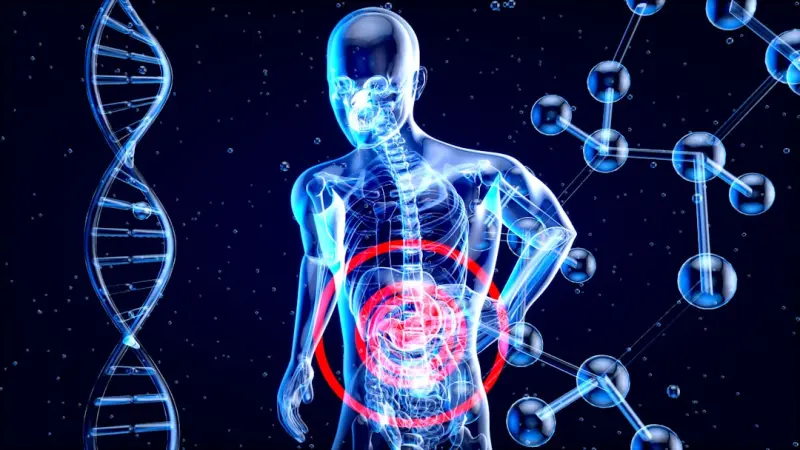
The Hidden Code in Your Gut: Turning Microbiome Data into a Competitive Edge
When I first started digging into gut health, I thought it would be a straightforward conversation about fiber, fermented foods, and occasional probiotics. What I discovered instead was a sprawling, data‑rich ecosystem that mirrors the complexity of any modern digital platform. Your microbiome isn’t just a collection of bacteria; it’s a living, adaptive network that reacts to every decision you make—what you eat, where you work, how you move, and even the social rhythms you share with colleagues.
In this post I’ll walk you through three layers of gut intelligence that most wellness content glosses over:
- The microbiome as a personal data dashboard. Learn how microbial signatures can predict stress resilience, focus, and immune readiness.
- Integrating gut metrics into team performance. Discover practical ways to bring microbiome‑aware habits into the workplace without turning the office into a lab.
- Actionable experiments you can start today. From low‑tech fermented food challenges to high‑tech wearable integrations, I’ll give you a menu of options that fit any budget.
1. Your Gut as a Real‑Time Data Dashboard
The human gut hosts roughly trillions of microorganisms, representing more than 1,000 species. When you sequence a stool sample, you get a snapshot of that diversity, much like a financial statement shows the health of a balance sheet. Emerging research shows that certain microbial patterns correlate strongly with:
- Baseline cortisol levels (stress response)
- Serotonin production (mood regulation)
- Short‑chain fatty acid output (energy metabolism)
- Inflammatory markers (immune readiness)
Think of these as “key performance indicators” (KPIs) for your body. If you’ve ever used a fitness tracker to monitor heart rate variability, you can imagine a similar interface that flags when your gut microbiome is drifting toward dysbiosis—a state where harmful microbes outcompete the beneficial ones. The difference is that the gut KPI can alert you before you feel a symptom, giving you a chance to intervene proactively.
One of the most exciting developments is the rise of consumer‑grade microbiome kits. Companies now offer at‑home sampling, cloud‑based analysis, and a dashboard that translates raw DNA data into plain‑language insights. While the science is still maturing, the feedback loop is real:
- Collect a stool sample.
- Upload the data; the platform returns a “microbial health score.”
- Receive personalized recommendations—e.g., “increase inulin fiber,” “add kimchi three times a week,” “consider a polyphenol‑rich tea.”
- Track your score over weeks to see the impact of each change.
What makes this powerful for professionals is the ability to align gut health with performance goals. If you notice a dip in focus during a high‑stakes project, you can check whether your microbiome score has shifted. It adds a layer of objective data to what used to be gut‑feeling intuition.
2. From Personal Data to Team Performance
Most companies invest heavily in wellness programs that focus on exercise classes, mental‑health days, or ergonomic workstations. Yet, gut health rarely makes the agenda—probably because it feels too “personal” or “biological.” The reality is that gut health is a shared habit ecosystem, especially in office environments where food choices, break schedules, and stress levels are collective.
Here’s how you can embed gut‑aware practices into a team setting without breaching privacy:
- Anonymous Microbiome Challenges. Create a month‑long “Fermented Food Sprint” where participants log their intake of kefir, sauerkraut, miso, or kombucha on a shared spreadsheet. Celebrate the team with the highest adherence rate—not the individual data.
- Shared Habit Platforms. Leverage tools that let teams set collective goals, such as drinking a glass of water before meetings or taking a 5‑minute walking break after lunch. By syncing habits, you indirectly support gut motility and stress reduction. See how shared habit platforms can be a catalyst for quieter blood pressure—and equally quiet, calmer guts.
- Micro‑Lunches with Probiotic Focus. Rotate “gut‑friendly” catering options—think lentil salads, roasted chickpeas, and fermented dressings. The novelty keeps participation high and introduces employees to new sources of prebiotic fiber.
- Data‑Driven Feedback Loops. If your organization already uses a wellness portal, integrate a simple “gut mood” check‑in (scale 1‑5) alongside sleep and activity metrics. Over time, you’ll see patterns that can inform HR policies, such as adjusting meeting times to align with natural digestion peaks.
These initiatives are low‑cost, scalable, and respect individual privacy. The real win comes when the team notices a measurable uptick in concentration, reduced mid‑day crashes, and a generally more upbeat atmosphere—outcomes that are directly tied to a healthier gut ecosystem.
3. Actionable Experiments: From Kitchen to Wearable
Now that we’ve covered the strategic layer, let’s get into the practical experiments you can start today. I’ll break them into three buckets: low‑tech, medium‑tech, and high‑tech.
Low‑Tech: Fermentation 101
Fermented foods are the fastest route to delivering live microbes to your gut. If you’ve never made sauerkraut, start with a simple 3‑day starter:
- Shred a small cabbage, sprinkle with 2 % salt (by weight).
- Massage until the cabbage releases its juices.
- Pack tightly into a jar, leave a 1‑inch headspace, and cover with a cloth.
- Store at room temperature, checking daily for bubbles. After three days, taste. If it’s tangy, you’re ready to eat.
Repeat the process with other vegetables—carrots, beets, or even cauliflower. The variety keeps your microbiome diverse and introduces new prebiotic fibers.
Medium‑Tech: Smart Kitchen Gadgets
If you enjoy data, consider a smart fermentation jar. These devices monitor temperature, pH, and gas production, sending real‑time alerts to your phone. The data can be exported to a spreadsheet, allowing you to correlate fermentation speed with dietary outcomes (e.g., “I felt less bloated after a week of cooler fermentations”).
Another middle‑ground tool is a fiber‑tracking app. Many nutrition platforms now let you tag “prebiotic” foods specifically. By tracking your daily intake, you can aim for the recommended 25–30 g of fiber, split between soluble and insoluble sources.
High‑Tech: Wearables + Microbiome Integration
The future of gut‑aware performance lies in devices that combine traditional biometric sensors with microbiome insights. A few startups are piloting prototypes that sync stool‑analysis results with heart‑rate variability (HRV) monitors. The logic is simple:
- Higher microbial diversity → higher HRV → better stress resilience.
- Sharp drops in diversity → lower HRV → early warning sign.
While widespread commercial products are still emerging, you can approximate this loop by pairing a reputable HRV wearable (like an Oura ring) with a quarterly at‑home microbiome test. Record your HRV trends alongside your microbiome scores, and look for correlations. Over several cycles you’ll develop a personal model that tells you when to prioritize gut‑supportive meals versus high‑intensity work.
4. The Role of Environment: Urban Gardens as Microbiome Factories
Physical environment shapes the microbial world we ingest. Recent studies suggest that people who regularly engage with soil—through gardening, composting, or even indoor plant care—expose themselves to a broader spectrum of environmental microbes that can enrich the gut.
If your office has a rooftop or a nearby park, consider launching a “micro‑garden” initiative. Employees can rotate responsibility for planting herbs, kale, or edible flowers. Not only does this increase access to fresh, prebiotic‑rich produce, it also creates a shared ritual that lowers stress—a double win for the gut.
For inspiration on how community‑based green spaces can boost health, check out the story of urban garden projects that transformed senior wellness. The same principles apply to any demographic, especially busy professionals who need a quick, nature‑connected break.
5. Measuring Success: What Metrics Matter?
In any performance‑driven setting, you’ll want to know if your gut‑health interventions are delivering ROI. Here are the metrics you can track without needing a PhD in microbiology:
- Energy Peaks. Record subjective energy levels on a 1‑10 scale before and after meals.
- Focus Duration. Use a Pomodoro timer and note how many cycles you complete before needing a break.
- Digestive Comfort. A simple “bloat index” (0 = none, 5 = severe) logged at the end of each day.
- Team‑Level Mood. Conduct a weekly anonymous pulse survey with a single question: “How mentally clear did you feel this week?”
When you overlay these metrics with any microbiome score changes (if you’re using a testing service), patterns emerge. For instance, a rise in Bifidobacterium often coincides with improved focus scores, while a surge in Enterobacteriaceae may predict increased bloating and lower energy.
6. Common Pitfalls and How to Avoid Them
Even with the best intentions, gut‑focused strategies can backfire if you ignore the nuanced nature of the microbiome:
- Over‑Supplementation. Not all probiotics are created equal. A generic “10 billion CFU” capsule may contain strains that don’t colonize your gut. Prioritize clinically validated strains (e.g., Lactobacillus rhamnosus GG, Bifidobacterium longum) and consider rotating them.
- Fiber Shock. Suddenly slamming 30 g of fiber into your diet can cause gas and discomfort. Increase gradually—5 g per day until you hit the target.
- Neglecting Sleep. The gut–brain axis is bidirectional. Poor sleep alters circadian rhythms of gut bacteria, which in turn affects hormone regulation. Aim for consistent sleep windows.
- One‑Size‑Fits‑All Diets. Personalized nutrition is the future. What works for a plant‑based eater may not suit a low‑carb athlete. Use data, not dogma.
7. Looking Ahead: The Gut‑Data Economy
We are on the cusp of a new era where gut data could be as valuable as financial data. Imagine a scenario where a company offers a “microbiome health stipend” that reimburses employees for probiotic subscriptions, fermented food kits, or even quarterly microbiome tests. Such an approach signals that gut health is a strategic asset—not a fringe wellness trend.
From a broader perspective, insurers and health‑tech platforms are already piloting risk‑adjusted premiums based on gut biomarkers. While the regulatory landscape is still evolving, early adopters who embed gut‑centric metrics into their culture will likely see lower absenteeism, higher creativity, and a more resilient workforce.
Conclusion: Your Gut, Your Competitive Edge
Gut health is no longer a “nice‑to‑have” afterthought. It’s a data source, a performance lever, and a community‑building catalyst. By treating your microbiome as a living dashboard, you empower yourself to make evidence‑based decisions that ripple through your personal productivity and your team’s collective output.
Start small—add a fermented snack, log your energy, or set up a micro‑garden. Then scale up with data‑driven tools and shared habit platforms. Over time, you’ll watch not just your gut, but your entire professional ecosystem, become more robust, adaptable, and innovative.

Lifan Chen is a freelancer based in Toronto specializing in marketing. With expertise in crafting effective marketing strategies and campaigns, Lifan helps businesses grow their brand presence and reach target audiences. As a Toronto-based freelancer, Lifan combines local market insights with creative marketing skills to deliver tailored solutions for clients.
Related Posts

Unlocking the Gut‑Brain Powerhouse for Remote Teams
Discover how the brain‑gut axis can become a competitive advantage for remote teams. This guide of... Read More

The Gut‑Brain Edge: How Microbial Health Fuels Professional Performance
Learn how a thriving gut microbiome can sharpen your mind, stabilize mood, and enhance productivity ... Read More

Cultivating a Resilient Gut Through Seasonal Food Cycling
A practical guide to rotating botanical food families every few weeks, integrating fermented staples... Read More
Top Posts
Turn Your Health Insurance Into a Proactive Wellness Engine
Learn practical steps to unlock the hidden wellness features in your health plan— from telehealth and mental‑health coverage to preventive screenings and in...Read More

Living Awake: My Journey with Narcolepsy and Holistic Healing
A personal account of living with narcolepsy, blending science and holistic practices to regain control, boost energy, and find peace in everyday life....Read More

Rewiring Your Body’s GPS: Proprioceptive Play for Desk‑Bound Lives
I share my favorite proprioceptive exercises that turn a 9‑to‑5 desk job into a daily movement playground, keeping joints happy and the mind sharp....Read More

Give Your Liver a Daily Reset Routine for Long‑Lasting Vitality
A practical guide to daily liver‑reset rituals—from purposeful hydration and short walks to strategic fasting and breath work—designed for busy profession...Read More
0 Comments
Post Comment
You will need to Login or Register to comment on this post!