
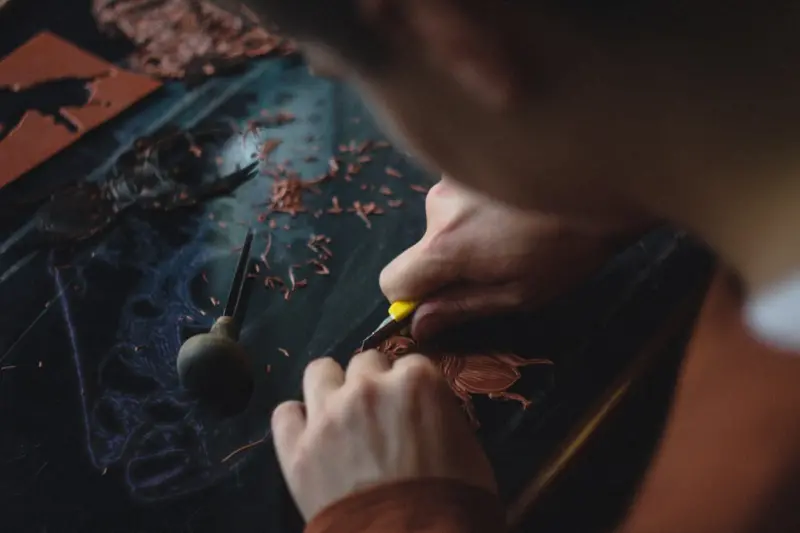
Why Hands‑On Hobbies Are the Missing Link in Senior Wellness
When I first sat down at my grandson’s kitchen table to learn how to fold origami, I expected a simple craft lesson. What I got instead was a vivid reminder that the act of creating with our hands does far more than produce paper cranes—it rewires the brain, steadies the heart, and nudges the body into motion in ways that most conventional senior‑health advice overlooks. For many seniors, the notion of “exercise” conjures up treadmills, weight rooms, or prescribed physiotherapy routines. Yet the most sustainable, joyful, and accessible form of movement often lives in a hobby drawer, a garden plot, or a community workshop. In this piece, I’ll walk you through the science, the stories, and the step‑by‑step strategies that let seniors turn everyday crafts into a potent health‑building engine.
The Neuroscience Behind Tactile Engagement
Our brains are wired to respond to tactile feedback. When you feel the resistance of yarn under a needle, the grain of wood under a chisel, or the cool slickness of clay, millions of neurons fire in coordinated patterns that reinforce synaptic connections. This phenomenon, known as sensorimotor integration, is a cornerstone of neuroplasticity—the brain’s ability to adapt and reorganize throughout life. Studies have shown that seniors who regularly engage in fine‑motor activities experience slower rates of cognitive decline, better memory recall, and heightened attention spans. The simple act of knitting a scarf, for example, forces the brain to juggle pattern recognition, counting stitches, and rhythmic motion, creating a mental workout that rivals traditional brain games.
Physical Benefits That Go Beyond “Exercise”
While a brisk walk burns calories, a gardening session can improve balance, strengthen core muscles, and increase flexibility—all without the intimidation of a gym setting. The repetitive motions involved in crocheting, woodworking, or even assembling model kits promote joint lubrication and maintain range of motion. Moreover, the low‑impact nature of these activities reduces the risk of injury, making them ideal for seniors with arthritis or osteoporosis. Even short, 15‑minute bursts of hobby time can elevate heart rate enough to boost circulation, delivering oxygen‑rich blood to muscles and the brain alike.
Emotional Resilience Through Creative Flow
Beyond the measurable physical and cognitive gains, hands‑on hobbies nurture a deep sense of purpose. The concept of “flow” – a state of complete immersion where self‑consciousness fades – is frequently reported by seniors who lose themselves in a project. Flow has been linked to lower cortisol levels, reduced anxiety, and improved mood. When you finish a piece of pottery or see a garden bloom, you receive immediate, tangible feedback that fuels dopamine release, reinforcing a positive feedback loop that can combat the loneliness and depression that often accompany aging.
Social Connectivity: From Solo Crafts to Community Hubs
The social dimension of hobby groups is perhaps the most underrated benefit. Local libraries, senior centers, and community gardens now host knitting circles, woodworking clubs, and pottery workshops that double as informal support networks. Shared interests break down barriers, encouraging intergenerational dialogue and fostering friendships that extend beyond the activity itself. These connections have been shown to lower blood pressure, improve immune function, and even lengthen lifespan. If you’re wondering how to start, look for “craft cafés” or “makerspaces” in your area—many offer senior‑friendly hours and adaptive tools.
Choosing the Right Hobby for Your Lifestyle
Not every craft will click for every senior, and that’s okay. The key is to match the activity with personal interests, physical ability, and the desired level of social interaction. Here are a few starter ideas:
- Knitting or crocheting – Ideal for those who love patterns, need a portable hobby, and enjoy a calming rhythmic motion.
- Gardening – Perfect for outdoor lovers; offers moderate physical effort and visible, rewarding results.
- Woodworking – Suits those who appreciate tangible outcomes and have access to a safe workshop space.
- Model building (airplanes, ships, LEGO) – Engages fine motor skills and offers a sense of achievement upon completion.
- Cooking or baking with a twist – Turn recipes into experiments with herbs, spices, and decorative plating to stimulate both palate and mind.
Whatever you choose, start small. A single project a week is enough to reap the benefits without overwhelming your schedule.
Integrating Hobbies Into a Holistic Health Plan
For seniors who already have a routine of medication, doctor visits, and perhaps some light cardio, adding a hobby can be the missing puzzle piece. Think of it as a “micro‑intervention” that fits seamlessly into daily life. Schedule it just like any other appointment—perhaps right after breakfast or before your evening television time. Track your progress in a simple journal: note the time spent, how you felt, and any physical changes you notice (e.g., less stiffness, better sleep). Over weeks, you’ll see patterns emerge, reinforcing the habit.
Leveraging Health Insurance for Hobby‑Based Wellness
Many seniors overlook the fact that their health plans often cover preventive programs that include creative therapies. The Untapped Power of Health Insurance for Preventive Wellness can extend to occupational therapy sessions that incorporate crafts, community‑based art classes, or even garden‑therapy programs prescribed by physicians. When you talk to your provider, ask whether your plan includes coverage for “rehabilitative arts” or “therapeutic horticulture.” A simple phone call can unlock reimbursements that make hobby supplies more affordable.
The Gut‑Brain Connection: How Creative Eating Complements Crafting
While your hands are busy, your gut can be busy too. The Gut Microbiome Mastery article highlighted how a diverse microbiome fuels mental clarity and emotional stability. Pairing your hobby time with a gut‑friendly snack—think fermented vegetables, a handful of nuts, or a probiotic yogurt—can amplify focus and prolong the flow state. The synergy of nourishing the brain and the body simultaneously creates a virtuous cycle of health benefits.
Overcoming Common Barriers
Many seniors express concerns about physical limitations, cost, or feeling “too old” to learn something new. Here’s how to address them:
- Physical limitations – Choose adaptive tools: larger knitting needles, ergonomic garden handles, or electric carving knives for woodworking.
- Cost concerns – Start with recycled or low‑cost materials. Many community centers offer free or discounted supplies for seniors.
- Fear of learning – Embrace the beginner mindset. Remember that mastery isn’t the goal; the journey provides the health payoff.
Real‑World Success Stories
Take Margaret, a 78‑year‑old retired teacher who took up pottery at her local senior center. Within three months, she reported sharper memory, less joint pain, and a newfound social circle that meets weekly for “clay talks.” Or consider Jamal, 71, who began a small herb garden on his balcony. The daily watering routine gave him a reason to stand up and move, while the fresh herbs reduced his reliance on processed foods, positively impacting his cholesterol levels.
Action Plan: Your First 30 Days of Craft‑Powered Health
1. Identify a hobby you’re curious about. Browse online videos, ask friends, or visit a local store.
2. Gather minimal supplies—don’t buy a full kit; start with the basics.
3. Schedule a weekly slot—15‑30 minutes, same day and time each week.
4. Document the experience—note mood, energy, and any physical sensations.
5. Connect with a local group or online forum for guidance and community support.
6. Review after 30 days—adjust time, difficulty, or try a new craft if needed.
By treating your hobby as a health appointment, you’re more likely to stick with it, and your body and mind will thank you in ways that traditional exercise alone may not achieve.
Looking Ahead: The Future of Senior Wellness
As technology and healthcare converge, we’ll see more integrated platforms that recommend hobbies based on biometric data, cognitive assessments, and personal preferences. Imagine an app that monitors your heart rate during a knitting session and suggests a calming playlist, or one that alerts you when it’s time to stretch after a prolonged woodworking stint. Until those innovations become mainstream, the simplest, most accessible tool remains your own hands and curiosity.
Conclusion: Craft Your Way to a Healthier, Happier You
Age is not a barrier to creativity; it’s a catalyst. By weaving hands‑on hobbies into daily life, seniors can unlock a cascade of benefits—sharper cognition, stronger muscles, brighter mood, and richer social ties. The path to longevity doesn’t have to be paved with high‑intensity workouts or strict diets; sometimes, it’s as gentle as the rhythm of a needle moving through yarn or the soil slipping through fingers. Embrace the craft, celebrate the process, and watch your health flourish one stitch, one seed, one carve at a time.

Related Posts
How Music, Movement, and Mentorship Can Transform Senior Health
A fresh look at senior health: harnessing music, movement, and intergenerational mentorship to sharp... Read More
The Healing Power of Companionship: How Pets and Community Boost Senior Health
Companionship—through pets, community gardens, and intergenerational programs—offers powerful he... Read More
Tiny Trips, Big Benefits: How Microadventures Boost Senior Health
A fresh look at how tiny trips—called microadventures—can energize seniors, strengthen bodies, s... Read More
Top Posts

Why Light, Purpose, and Gentle Motion Matter More Than You Think for a Longer Life
Learn why natural daylight, a clear sense of purpose, and low‑intensity movement are the three pillars that together create a powerful longevity strategy, and...Read More

From Vapor to Vitality: A Holistic Path to Quitting Smoking and Vaping
A personal, holistic journey from nicotine dependence to vibrant health, offering practical tools, detox tips, and mindset shifts to help you quit smoking and v...Read More
The Hidden Climate of Your Office: How Light, Temperature, and Sound Influence Blood Sugar
A practical guide showing how subtle changes to office lighting, temperature, and background sound can help stabilize blood sugar, with actionable tips, tech in...Read More
Why Curiosity and Play Are the Missing Links in Your Longevity Strategy
A fresh look at longevity reveals that intentional curiosity, adult play, and mentoring across generations create mental hormesis, improve physiological markers...Read More
0 Comments
Post Comment
You will need to Login or Register to comment on this post!