
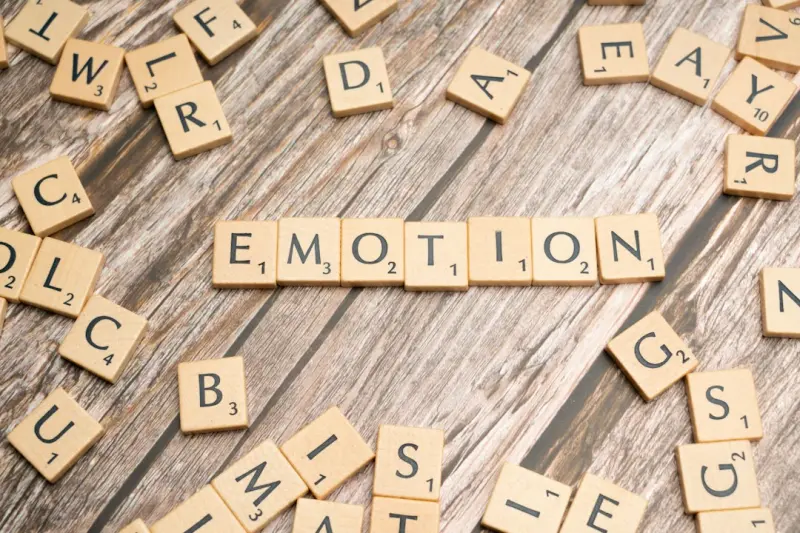
Ever notice how a single breath, a fleeting glance at a sunrise, or a five‑second pause before replying can feel like a tiny reset button for your mind? Those moments—what I call micro‑shifts—are the unsung heroes of mental resilience. They’re not flashy meditations or weekend retreats; they’re the subtle, repeatable actions we can weave into the fabric of any day. When we intentionally stack these micro‑shifts, they compound into a noticeable lift in mood, focus, and overall emotional stability.
The Science of Tiny Triggers
Neuroscience tells us that the brain is a pattern‑seeking machine. When a particular cue is repeated often enough, the neural pathways associated with that cue become stronger, making the behavior more automatic. This is the same principle behind habit formation, but instead of focusing on big‑scale habits (like “run three miles every morning”), we target tiny triggers that only demand a few seconds of attention.
These micro‑triggers tap into the brain’s playful scent hacks and other sensory cues, leveraging the limbic system—the region that governs emotion and memory—to create rapid mood shifts. By pairing a short, pleasant stimulus with a mental pause, we effectively short‑circuit the default stress response and invite a calmer, more centered state.
Three Pillars of Micro‑Shift Design
To make micro‑shifts practical, I break them down into three pillars: Sensory Anchor, Intentional Pause, and Mini‑Action. Each pillar is a building block you can mix‑and‑match based on context, environment, and personal preference.
- Sensory Anchor: Choose a cue that your brain can quickly recognize—a scent, a visual, a sound, or even a texture.
- Intentional Pause: Give yourself a brief mental space—three to five seconds—to notice the cue without judgment.
- Mini‑Action: Perform a simple, constructive act that aligns with your emotional goal, such as a micro‑stretch, a gratitude whisper, or a brief smile.
Let’s walk through each pillar with concrete examples you can start using right now.
Sensory Anchors: Your Brain’s Shortcut Keys
Our senses are wired for speed. A particular scent can instantly transport you to a memory of calm, while a splash of color can lift your spirits. The key is to select anchors that are personal and consistent. Here are a few ideas:
- Smell: A dab of citrus essential oil on your wrist. Citrus is linked to heightened alertness and a brighter mood. Keep a tiny rollerball in your bag for on‑the‑go use.
- Sound: A short chime or a single note from a favorite song. Set a gentle notification on your phone that you can trigger manually when you need a reset.
- Touch: A smooth stone or a piece of soft fabric in your pocket. When you feel it, it becomes a cue to slow down.
- Visual: A tiny sticky note with a single word like “breathe” or “anchor” placed on your monitor or fridge.
By pairing these anchors with a brief pause, you give your nervous system a moment to shift out of the “fight‑or‑flight” mode and into a more relaxed state.
Intentional Pause: The Power of 5‑Second Breaths
Research from the University of Wisconsin shows that a five‑second conscious breath can reduce cortisol levels by up to 15%. It’s a tiny window, but it’s enough for your prefrontal cortex—the part of the brain responsible for rational thinking—to reassert control.
Practice this simple pause:
- Notice your chosen sensory anchor.
- Close your eyes (or soften your gaze) and inhale slowly through the nose for a count of three.
- Exhale gently through the mouth for a count of three.
- Open your eyes and proceed with a mini‑action.
Do this whenever you catch yourself scrolling mindlessly, feeling a surge of anxiety, or before jumping into a high‑stakes conversation.
Mini‑Actions: Small Wins, Big Impact
After your pause, seal the shift with a micro‑action that reinforces the desired emotional state. Some ideas:
- Write a single word of gratitude in a journal.
- Do a quick shoulder roll or neck stretch.
- Send a brief “thinking of you” text to a friend.
- Take a sip of water infused with a slice of cucumber or mint.
These actions are intentionally low‑effort. The goal isn’t to add another item to your to‑do list but to create a ripple effect—one micro‑shift nudging your brain toward a calmer, more focused baseline.
Integrating Micro‑Shifts Into Different Contexts
Micro‑shifts are versatile. Below are scenario‑specific bundles that you can adopt immediately.
At Work: The “Desk‑Detox” Combo
Anchor: A small, matte‑finished pebble placed beside your keyboard.
Pause: When you notice the pebble, take a three‑second breath.
Mini‑Action: Roll your shoulders back and whisper, “I’m present.”
Doing this once every hour can prevent the slow creep of decision fatigue and keep your focus razor‑sharp.
During a Commute: The “Transit Reset”
Anchor: The sound of the train doors closing.
Pause: Count silently to five as the doors shut.
Mini‑Action: Glance out the window and name three colors you see.
This simple practice shifts attention away from traffic stress and into a grounding visual exercise, reducing the odds of arriving at your destination irritable.
Micro‑Shifts for Emotional Regulation
Beyond focus, micro‑shifts are powerful tools for managing strong emotions. When anger spikes, for instance, the combination of a calming scent and a brief pause can give the amygdala enough time to “cool off.” When sadness lingers, a mini‑action that involves a brief physical movement—like a quick heel‑to‑toe march—releases endorphins that brighten mood.
One of my favorite micro‑shifts for low mood is the Color‑Lift technique, which draws inspiration from colorful eating for mood. Instead of a full meal overhaul, you simply add a splash of a bright food color—think sliced red pepper or a handful of blueberries—to your snack. The visual cue of vibrant color signals the brain that something positive is happening, subtly nudging dopamine pathways.
Tracking Progress Without Over‑Complicating
You might wonder, “Do I need an app to track these micro‑shifts?” The answer is no. The beauty of micro‑shifts lies in their minimal friction. However, a quick mental log can be helpful: after a day’s work, glance at your hand and note how many times you touched your pebble or inhaled that citrus scent. Even a mental tally reinforces the habit loop, making the behavior more likely to stick.
Common Pitfalls and How to Dodge Them
1. Over‑thinking the Process – The moment you start analyzing each micro‑shift, you risk turning a simple reset into a performance anxiety trigger. Keep it light; treat each cue as a gentle reminder, not a test.
2. Inconsistent Anchors – Switching anchors too frequently can confuse your brain. Choose one or two primary anchors per context and stick with them for at least two weeks before experimenting.
3. Forgetting the Mini‑Action – The pause alone is beneficial, but pairing it with an action seals the shift. If you find yourself pausing without following up, set a visual reminder—like a post‑it that says “Act!”—to close the loop.
Scaling Up: From Micro‑Shifts to Macro‑Wellbeing
When you accumulate a library of micro‑shifts, you start to notice patterns: certain cues work better in the morning, others thrive during high‑stress periods. This self‑knowledge is the foundation for designing larger wellbeing routines, like a mid‑day mindfulness walk or a weekly “digital sunset” (a longer, intentional disconnect from screens).
The transition from micro‑ to macro‑wellbeing is organic—no need for a grand overhaul. Your brain already knows the language of these tiny triggers; you simply expand the conversation.
Closing Thought: The Ripple Effect of Tiny Choices
Imagine a pond. Drop one pebble, and the ripples travel outward, touching every part of the surface. Micro‑shifts are those pebbles—simple, intentional choices that create ripples across your mental landscape. By curating a handful of sensory anchors, pauses, and mini‑actions, you empower yourself to navigate stress, boost creativity, and cultivate a steadier emotional core.
Start small. Pick one anchor, practice the five‑second breath, and pair it with a micro‑action today. Tomorrow, add a second anchor. In a week, you’ll have a toolbox of mental reset buttons ready to deploy at a moment’s notice. The cumulative impact? A more resilient, focused, and ultimately happier you.

Brody Lambert is an emerging freelance writer whose fresh voice and thoughtful approach are quickly making their mark. As a fairly new entrant in the world of freelance writing, Brody brings a blend of curiosity and dedication that fuels every project, crafting stories and content that resonate with authenticity and clarity.
Related Posts

When Silence Becomes a Superpower: Auditory Strategies for Mental Wellness
Silence isn’t empty; it’s a powerful tool for mental health. Discover practical ways to audit yo... Read More
Why Scheduled Mental Rest Is the Missing Piece in Your Wellness Puzzle
Explore a fresh approach to mental health by scheduling purposeful rest periods. Learn practical tec... Read More
The Healing Power of Sound: Crafting Auditory Sanctuaries for Mental Well‑Being
Discover how intentional listening and personalized soundscapes can transform anxiety into calm, enh... Read More
Top Posts

The Hidden Levers of Longevity: Why Your Social Circle Might Be the Real Fountain of Youth
Longevity isn’t just about genetics or supplements; it’s deeply rooted in the people we surround ourselves with. This article reveals the science behind soc...Read More

How Auditory Environments Shape Your Baby's Early Brain Wiring
A deep dive into the impact of sound on newborn development, offering evidence‑based strategies for creating soothing, enriching auditory environments that bo...Read More

Pregnancy at the Desk: Redefining Success
Learn how to balance pregnancy with professional ambition through strategic flexibility, energy management, tech tools, and supportive networks, turning motherh...Read More

Memory Gardening: Cultivating Brain Health and Joy in Later Life
A senior-friendly guide to memory gardening, showing how planting, caring for soil, and sharing the experience with others can sharpen cognition, lift spirits, ...Read More
0 Comments
Post Comment
You will need to Login or Register to comment on this post!