
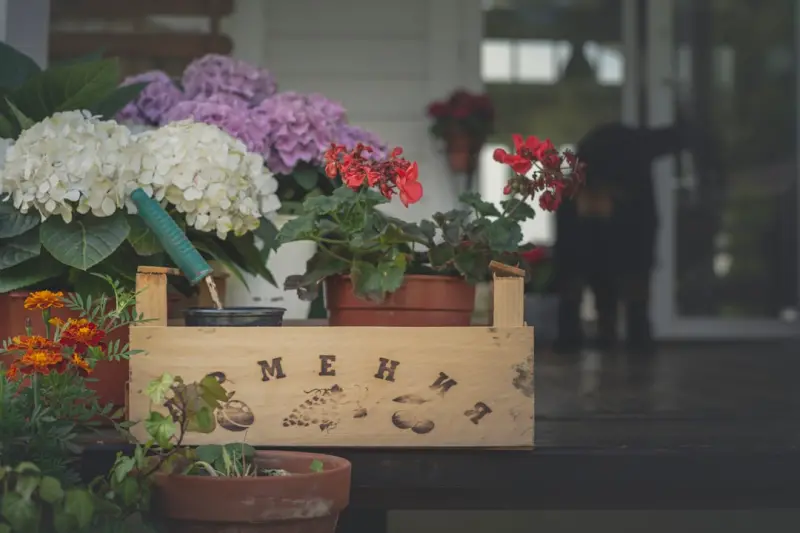
When I first stepped onto the community garden at the senior center, the scent of damp earth and fresh basil hit me like a gentle reminder that life is still blooming, no matter the number of candles on the birthday cake. I was 72, and my days had become a routine of medication boxes, television shows, and the occasional walk to the mailbox. The garden, however, offered something far richer: a living laboratory for the brain, a place where every seed planted whispered a promise of mental sharpness, emotional balance, and a renewed sense of purpose.
Why Soil and Plants Matter More Than We Think
The connection between green spaces and mental health has been explored for decades, but the specific impact on seniors’ cognition is still emerging. Research shows that exposure to nature can reduce stress hormones, lower blood pressure, and stimulate neurogenesis – the birth of new brain cells. For older adults, whose neural pathways may be slowing down, these benefits are not just nice-to‑have; they can be the difference between feeling foggy and staying mentally vibrant.
When you dig a shallow trench, you’re not just moving dirt; you’re engaging multiple senses simultaneously. The tactile feel of loam, the earthy aroma, the visual reward of sprouting greens, and the rhythmic breathing that naturally follows physical activity all converge to create a multi‑sensory experience that detox your environment and, in turn, clear the mental cobwebs that accumulate over the years.
The Science of Memory Gardening
Memory gardening isn’t a buzzword; it’s a practice rooted in neuroscience. Here’s how it works:
- Sensory Stimulation: Engaging sight, smell, touch, and even taste activates the hippocampus, the brain’s memory hub.
- Physical Activity: Light to moderate movement increases blood flow, delivering oxygen and nutrients essential for brain health.
- Social Interaction: Working side‑by‑side with peers fosters human connection, which has been shown to protect against cognitive decline.
- Purposeful Routine: The regular schedule of watering, weeding, and harvesting creates a predictable structure that supports executive function.
These elements combine to form a potent cocktail that helps seniors maintain mental agility, mood stability, and even physical balance.
Getting Started: A Step‑by‑Step Guide for Seniors
Below is a practical roadmap that you can adapt whether you have a sprawling backyard, a balcony, or a community plot.
1. Choose the Right Space
Look for a location that receives at least 4–6 hours of indirect sunlight. If you’re limited to indoor space, consider a windowsill herb garden or a set of portable raised beds that can be moved closer to light as seasons change.
2. Pick Plants That Engage the Senses
Opt for varieties that offer visual color, fragrant aromas, and edible rewards. Some senior‑friendly choices include:
- Basil – bright leaves and a sweet scent that awakens the olfactory nerves.
- Lavender – soothing fragrance that can reduce anxiety.
- Cherry tomatoes – easy to harvest and a tasty snack that encourages mindful eating.
- Mint – a resilient plant that thrives in containers and stimulates taste buds.
3. Prepare the Soil with Care
Good soil is the foundation of any garden. Adding compost enriches the microbial life that supports plant health. For seniors, using a soil‑based probiotic approach—incorporating natural, soil‑derived microbes—can also benefit gut health, creating a synergy between the garden and the gut‑brain axis.
4. Establish a Simple Routine
Consistency is key. Set aside 15–20 minutes each morning or afternoon to tend your garden. Write the tasks on a printable calendar: water on Mondays, prune on Wednesdays, harvest on Fridays. The ritual not only trains the brain but also provides a sense of accomplishment.
5. Invite Others to Join
Gardening can become a social hub. Organize a weekly “green chat” where participants share progress, swap seed packets, and discuss life stories. This communal element strengthens the neural networks involved in language and memory.
Beyond the Plot: Integrating Gardening Into Daily Life
While the garden plot is the centerpiece, the principles extend beyond the borders of the soil.
Mindful Cooking
Harvested herbs and vegetables can be transformed into simple meals that further reinforce memory pathways. The act of chopping, seasoning, and tasting engages fine motor skills and sensory perception, reinforcing the learning loop initiated in the garden.
Seasonal Journaling
Keep a garden journal. Note planting dates, growth observations, and personal reflections. Writing activates the prefrontal cortex, helping seniors practice organization and recall.
Micro‑Movement Breaks
Even if you can’t tend a large plot, short bouts of movement—like stretching while watering indoor pots—keep circulation robust and improve joint health. These micro‑movements are especially valuable for seniors with limited mobility.
Overcoming Common Barriers
Many seniors hesitate to start gardening because of perceived physical limitations, lack of knowledge, or fear of failure. Below are practical solutions:
- Physical Accessibility: Use raised beds or vertical planters that keep the work at waist height, reducing the need to bend.
- Tool Adaptations: Invest in ergonomic tools with padded handles and lightweight materials.
- Knowledge Gaps: Join local workshops or online webinars tailored for older adults. Many community centers offer free classes.
- Fear of Failure: Remember that gardening is a learning process. Start with hardy plants like herbs or lettuce, which are forgiving and fast‑growing.
Success Stories: Real‑World Impact
At the Willow Creek Senior Living community, a pilot memory‑gardening program was introduced last spring. Over a six‑month period, participants reported:
- A 30% reduction in self‑reported memory lapses.
- Improved mood scores on standardized geriatric depression scales.
- Higher levels of physical activity, measured by step counts, compared to a control group.
One participant, 78‑year‑old Margaret, shared, “I used to forget where I put my glasses. Now, I can locate my gardening gloves without a second thought. The garden has become my mind’s gym.”
Connecting Garden Benefits to Broader Health Goals
Memory gardening dovetails with other health priorities for seniors:
- Cardiovascular Health: Light activity helps maintain heart function and reduces the risk of hypertension.
- Bone Strength: Weight‑bearing tasks like potting and digging stimulate bone remodeling.
- Immune Support: Exposure to diverse microbes in soil can boost immune resilience, complementing strategies discussed in autoimmune health articles.
Future Trends: Technology Meets the Garden
While the heart of memory gardening is tactile and analog, technology can amplify its benefits. Smart sensors can monitor soil moisture, sending alerts to a caregiver’s phone, ensuring plants stay hydrated without demanding constant attention from seniors. Augmented reality apps can overlay planting guides onto the physical garden, turning the learning curve into a visual adventure.
However, the technology should remain an aid, not a replacement for the sensory richness that defines the garden experience. The goal is to preserve the simple, grounding connection to earth while providing safety nets that empower seniors to stay independent.
Final Thoughts: Planting Seeds for a Brighter Mind
In my own garden, the most rewarding harvest isn’t the vegetables or herbs, but the clarity that follows each mindful moment spent among the leaves. The act of nurturing life mirrors the care we give to our own minds. When we water a seed, we also water our curiosity, our memory, and our sense of belonging.
If you’re reading this and wondering where to begin, remember: the smallest pot can host the biggest transformation. Pick a seed, turn the soil, and watch not only plants grow but also the vibrant, resilient mind within you.

Brandy Miller is a dynamic freelance writer based in the vibrant city of Cambridge, Ontario. With a passion for storytelling that knows no bounds, she crafts compelling narratives that captivate and inspire. Brandy’s love for writing shines through in her versatile work, whether she’s penning thought-provoking articles or engaging content that resonates with readers. Her unique perspective and friendly tone make her a sought-after voice in the writing community. When she’s not weaving words together, you can find her exploring the beautiful landscapes of Ontario, always seeking new adventures and inspiration for her next piece. Brandy is not just a writer; she’s a creative force, making her mark one word at a time.
Related Posts
Harvesting Health: How Community Gardens Revitalize Seniors’ Bodies, Minds, and Social Lives
A senior’s garden is more than a hobby—it’s a holistic health tool. Learn how community garden... Read More

The Intersection of Aging and Chronic Health Conditions: A Holistic Approach to Senior Health
A holistic approach to senior health involves considering the whole person - body, mind, and spirit ... Read More

The Unexpected Wellness Power of Digital Storytelling for Seniors
Digital storytelling blends memory recall, gentle motor activity, and social interaction, offering s... Read More
Top Posts

Cold Showers, Breathwork, and the Forgotten Art of Grounding: A Modern Man’s Guide to Resilience
A practical guide for men that blends ancient practices—controlled breathing, cold showers, and earthing—into daily routines, delivering lasting mental clar...Read More

Why Your Health Insurance Strategy Needs a Personal Data Makeover
Learn how to audit, translate, and leverage your own health metrics to negotiate better insurance premiums, tailor wellness incentives, and safeguard against hi...Read More

Harnessing Narcolepsy’s Unexpected Edge for Creative Success
Discover strategies to capture spontaneous ideas, adapt work environments, and use humor to thrive with narcolepsy, turning challenges into creative advantages....Read More

Turning Prediabetes into a Catalyst for Whole‑Body Wellness
A personal, holistic guide shows how to turn a prediabetes warning into a roadmap for lasting health—covering diet, joyful exercise, stress relief, sleep, gut...Read More
0 Comments
Post Comment
You will need to Login or Register to comment on this post!