
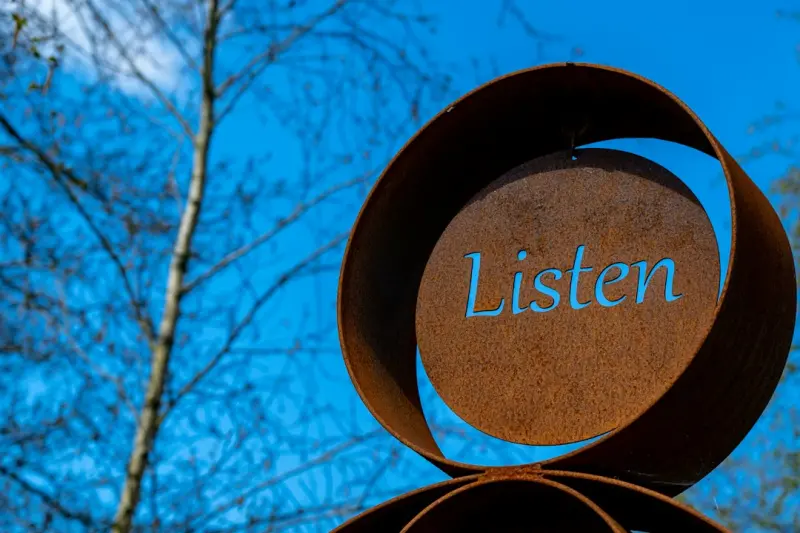
When Silence Becomes a Superpower: Auditory Strategies for Mental Wellness
It’s funny how we spend a fortune on ergonomic chairs, standing desks, and eye‑friendly lighting, yet we barely glance at the soundtrack of our daily lives. I’ve spent the better part of a decade in the SaaS trenches, watching teams sprint through endless meetings, Slack threads, and notification storms. Somewhere along the way, I realized the most potent productivity hack wasn’t a new app or a fancy gadget—it was silence.
Now, before you picture me meditating in a bamboo forest, let’s get real. The modern office (or home‑office) is a cacophony of keyboards, HVAC hums, coffee machine whirs, and the perpetual ping of digital alerts. Each of these auditory inputs competes for a slice of our brain’s limited processing bandwidth. The result? Cognitive fatigue, heightened anxiety, and a subtle erosion of our creative spark.
In this piece I’m diving deep into the science of sound, the psychology of auditory environments, and practical, low‑cost tactics you can deploy right now to turn your everyday noise into an ally—or better yet, a silent superpower.
Why We Ignore the Auditory Dimension
When most organizations talk about “wellness,” the conversation gravitates toward posture, nutrition, and screen time. Sound, however, is an invisible variable that slips through the cracks because it’s hard to quantify. Yet, research from auditory neuroscience tells us that even low‑level background noise can trigger the amygdala, the brain’s threat center, nudging us into a perpetual state of mild alarm.
Think about the classic “open‑plan office” experiment. Companies ripped down walls, believing that collaboration would skyrocket. What they didn’t anticipate was the acoustic echo chamber that formed, amplifying every whispered conversation and phone ring. The outcome? Lowered concentration scores and a spike in reported stress levels. The same principle applies to virtual workspaces: constant video calls, overlapping audio, and background chatter become a mental white noise that drains our emotional reserves.
The Neuroscience of Quiet
When we experience genuine quiet—whether it’s the hush of a library, a nature soundscape, or the intentional absence of digital alerts—our brain shifts from a sympathetic (fight‑or‑flight) mode to a parasympathetic (rest‑and‑digest) state. This transition unlocks several benefits:
- Enhanced Neuroplasticity: Quiet periods allow the brain’s default mode network (DMN) to reboot, fostering creativity and problem‑solving.
- Improved Memory Consolidation: Studies show that post‑learning silence aids the hippocampus in transferring short‑term memories into long‑term storage.
- Stress Hormone Regulation: Cortisol levels dip noticeably after just ten minutes of low‑stimulus environments.
In other words, silence is not “absence” but a fertile ground where mental resources can regenerate.
Crafting Your Personal Soundscape
Below are five actionable steps that let you harness the power of silence without having to relocate to a mountain cabin.
1. Audit Your Acoustic Footprint
Start by mapping out the most common sound sources in your workday. I like to keep a simple spreadsheet with columns for source, duration, and impact rating (1‑5). Over a week, you’ll likely discover that a 30‑second Slack notification spikes your impact rating to a 4, while a background music playlist sits at a 2.
Once you have this data, you can prioritize which noises to mute, replace, or schedule.
2. Adopt “Audio Buffers” Between Tasks
Just as you might take a micro‑break to stretch, schedule a 2‑minute “audio buffer” after finishing a deep‑focus task. During this buffer, turn off all audible notifications and either sit in silence or play a subtle ambient track (rain, distant waves, or a low‑frequency hum). This short pause lets the DMN reset before you dive into the next challenge.
3. Curate “Focus Zones” with Intentional Sound
If you can’t control the ambient noise of an open office, create a personal focus zone using noise‑cancelling headphones. Pair them with curated playlists that have been scientifically proven to aid concentration—think binaural beats set at 14 Hz (Alpha wave range) or gentle instrumental music without lyrics.
Remember, the goal isn’t to drown out all sound but to replace chaotic input with a predictable, low‑stimulation backdrop.
4. Leverage “Silent Hours” in Your Digital Calendar
Block out at least one hour per day—preferably during your peak cognitive window—as a “silent hour.” During this time, disable email alerts, turn off push notifications, and set your instant‑messaging status to “Do Not Disturb.” Communicate this boundary to teammates in advance; most will respect it once they see your increased output.
5. Use Acoustic Design Principles at Your Desk
Physical space influences auditory perception more than we realize. Simple tweaks like adding a small rug, a desk divider, or a plant can absorb mid‑range frequencies that would otherwise bounce off hard surfaces. For a deeper dive on how environment shapes cognition, check out how space influences cognition. The right acoustic buffer can reduce reverberation and give you a quieter mental canvas.
Sound as a Therapeutic Tool, Not Just Absence
While silence is a powerful antidote, certain sounds can actively improve mental health. Here’s a quick guide:
- Nature Sounds: Birdsong, rustling leaves, and distant thunder have been linked to lower heart rate and reduced perceived stress.
- White Noise: A steady hiss can mask unpredictable background chatter, making it easier to stay on task.
- Low‑Frequency Music: Tracks with 60‑80 bpm mimic the resting heart rate, encouraging relaxation.
Incorporating these deliberately—rather than letting random office chatter dominate—creates a personalized auditory therapy regimen.
Balancing Auditory Hygiene with Human Connection
One concern that often surfaces is the fear that “silencing” yourself isolates you from coworkers. The trick is to be intentional about when and where you adopt silence. Use collaborative tools for quick, asynchronous communication (e.g., Slack threads) and reserve synchronous video calls for high‑impact discussions. By segmenting your day into “social” and “solo” acoustic phases, you protect both relationship building and deep work.
The Business Case: Quiet Equals Performance
From a leadership perspective, the ROI on auditory hygiene is surprisingly clear. Teams that adopt structured silent periods report:
- 15‑20% higher task completion rates.
- Reduced error margins on complex projects.
- Lower turnover intent, attributed to decreased burnout.
Moreover, when you build mental stamina in a noisy world, you’re not just protecting individual well‑being—you’re fortifying the organization’s capacity to innovate under pressure.
Practical Toolkit for Immediate Implementation
Below is a downloadable cheat sheet you can copy‑paste into your favorite note‑taking app:
🗒️ Auditory Audit Template
- Source | Duration | Impact (1‑5) | Action
- Slack alerts | 30 sec | 4 | Mute 9‑5
- Coffee machine | 5 min | 2 | Relocate workstation
- Background music | 2 hr | 3 | Switch to binaural beats

⏱️ Audio Buffer Routine
1. Finish task → Click “Start Buffer”
2. 2‑min silent/ambient interval
3. Log mood (Scale 1‑5)

📅 Silent Hour Calendar Block
- Title: Deep Focus – Silent Hour
- Time: 10:00‑11:00
- Settings: DND, Email off, Phone on Airplane
Print it, pin it, and make it part of your daily ritual.
Wrapping Up: Make Silence Your Strategic Asset
In a world that glorifies hustle and constant connectivity, choosing silence is a radical act of self‑leadership. It’s not about escaping reality; it’s about curating the auditory input that fuels your brain, emotions, and ultimately, your performance. By auditing your soundscape, establishing intentional quiet zones, and leveraging therapeutic audio cues, you turn a passive background factor into an active lever for mental health.
Give yourself permission to press “mute” on the noise that doesn’t serve you. Your mind will thank you—with sharper focus, deeper creativity, and a calm that endures long after the last notification fades.

Brody Lambert is an emerging freelance writer whose fresh voice and thoughtful approach are quickly making their mark. As a fairly new entrant in the world of freelance writing, Brody brings a blend of curiosity and dedication that fuels every project, crafting stories and content that resonate with authenticity and clarity.
Related Posts

Finding Your Mental Oasis: How Nature‑Based Play Can Rewire Stress Into Strength
Kelly Reynolds shares a practical guide to integrating nature‑based play into busy lives, explaini... Read More
Cultivating Calm: The Unexpected Power of Everyday Soundscapes
Learn to harness the hidden influence of everyday sounds—from nature recordings to curated playlis... Read More

Digital Minimalism: Reclaiming Mental Space in an Always‑On World
Explore a practical, step‑by‑step guide to digital minimalism that helps you cut through informa... Read More
Top Posts

Storytelling for Longevity: How Narrative Shapes Healthspan
Explore the science behind narrative storytelling and its impact on longevity. Learn daily journaling, community sharing, and digital tools to enhance healthspa...Read More

The Surprising Health Benefits of Grounding: How Barefoot Moments Boost Immunity and Calm
Grounding, or earthing, offers a low‑cost, evidence‑backed way to reduce stress, support the immune system, and improve sleep. Learn practical tips to integ...Read More

Silent Signals: Leveraging Everyday Tech to Keep Your Blood Sugar in Check
Turn ordinary home and office tech into a silent partner for glucose stability—learn practical steps to smooth out blood‑sugar spikes and boost focus....Read More

Rebooting Your Body’s Hidden Filtration System: A New Take on Detox
Explore a fresh, holistic detox approach that goes beyond juice cleanses—leveraging cellular autophagy, skin‑based elimination, and EMF management to boost ...Read More
0 Comments
Post Comment
You will need to Login or Register to comment on this post!