
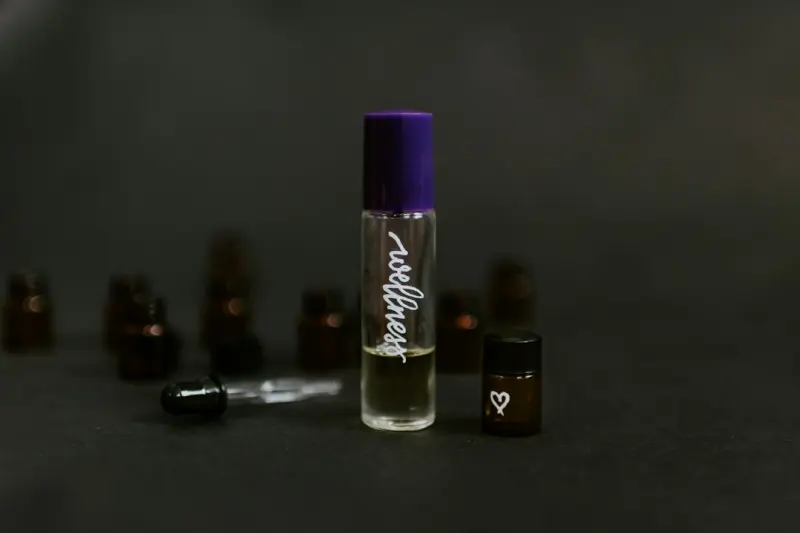
Why the Brain Needs More Than Just Vitamins
When people think about brain health, the first things that come to mind are usually “omega‑3s,” “antioxidants,” or “brain‑training apps.” Those are all valid pieces of the puzzle, but they’re only the edges of a much larger picture. My own journey—juggling a full‑time consulting practice, a growing family, and a curiosity for how everyday experiences shape our minds—has taught me that the brain thrives on subtle, often overlooked cues: the scent of fresh basil on a kitchen counter, the joy of doodling during a conference call, and the quiet moments when we let our minds drift without a screen in sight.
In this post I’m pulling together three surprisingly powerful practices that you can weave into a typical day without buying any fancy gadgets or committing to a strict regimen. They’re rooted in science, they’re easy to adopt, and they have a compound effect that can keep your neural pathways flexible, resilient, and ready for anything.
The Olfactory Shortcut to Cognitive Clarity
Our sense of smell is the oldest of the five senses, directly wired to the limbic system—the brain region that handles memory and emotion. A whiff of rosemary, for example, can spark a burst of focus, while citrus aromas often lift mood and promote mental agility. This isn’t just anecdotal; research shows that aromatic compounds can modulate neurotransmitter activity, improve blood flow to the prefrontal cortex, and even influence the production of brain‑derived neurotrophic factor (BDNF), a protein that supports neuron growth.
- Start your morning with a scent ritual. Place a small dish of dried rosemary, lavender, or peppermint on your desk. Each time you inhale, you’re giving a gentle cue to the brain to transition into a state of alertness or calm, depending on the herb you choose.
- Use aromatherapy during deep work. A diffuser set to a low mist of citrus or eucalyptus can sustain attention without the overstimulation that comes from loud music or a constant stream of notifications.
- Pair scent with learning. When you sit down to read a complex report or practice a new skill, light a scented candle that you only use for that purpose. Over time, your brain will associate that aroma with focused cognition, making it easier to slip into “flow” mode.
While essential oils are a popular entry point, you don’t need to purchase anything exotic. Simple kitchen herbs, fresh coffee beans, or even the scent of a favorite tea can serve the same purpose. The key is consistency—your brain learns through repetition, and the olfactory pathway is especially adept at forming strong, rapid associations.
Playful Exploration: Doodling, Micro‑Sketches, and Brain Plasticity
Play isn’t just for kids. It’s a neurochemical catalyst. When we engage in low‑stakes creative activities—like doodling a quick sketch while listening to a meeting or arranging sticky notes into a whimsical shape—we trigger dopamine release, which reinforces learning pathways and encourages the formation of new synaptic connections.
Here’s how you can embed playful moments into a busy schedule:
- Micro‑sketch breaks. Every 90 minutes, open a fresh page of a small notebook and draw whatever comes to mind for two minutes. No pressure to be “good” at art; the act itself is what matters.
- “What‑if” brainstorming. When tackling a stubborn problem, write down three wildly unrealistic solutions. This loosens mental constraints and often uncovers a feasible, innovative angle hidden beneath the absurd.
- Gamify routine tasks. Turn email sorting into a point‑based game: award yourself a point for each category you file, and reward yourself with a short walk after you hit ten points.
Research shows that these brief, low‑intensity creative bursts can improve memory consolidation and boost the brain’s ability to switch between divergent (creative) and convergent (analytical) thinking. In practice, they become mental “stretch marks,” keeping the cerebral cortex supple.
Micro‑Learning Moments: The Power of Tiny Knowledge Bites
Most of us think learning must happen in long, focused sessions. However, the brain’s natural rhythm favors short, spaced repetitions. This is why language‑learning apps that serve a handful of flashcards every few minutes feel surprisingly effective. The same principle works for any subject.
To harness micro‑learning, try the following:
- Set a “knowledge alarm.” Use a phone reminder to pop up a quick fact or a question every hour. Answer it, then move on. Over the course of a day, you’ll have absorbed a surprisingly large amount of information without feeling overwhelmed.
- Leverage idle moments. While waiting for a coffee brew or a video to load, read a single paragraph of a research article or watch a 60‑second explainer video on a topic you want to master.
- Link new knowledge to existing memories. When you encounter a fact, mentally attach it to something you already know—a person’s name, a favorite song, or a recent experience. This “memory anchoring” technique makes recall easier and strengthens neural pathways.
Micro‑learning isn’t about cramming; it’s about feeding the brain with a steady stream of novel stimuli, which encourages the formation of new dendritic branches and keeps existing networks from stagnating.
The Gut‑Brain Conversation: Food, Microbiome, and Mood
Even though we’re focusing on the brain, we can’t ignore the gut’s role as a second brain. The gut microbiome produces neurotransmitters such as serotonin and GABA, directly influencing mood, stress response, and cognition. A seasonal reset of your microbiome can act like a spring cleaning for your mental state.
If you’re curious about how to align your diet with the gut‑brain axis, start with simple, seasonal food swaps. Rotate your produce based on what’s fresh in the market, and incorporate fermented foods like kimchi, kefir, or miso to feed beneficial bacteria.
For a deeper dive into seasonal strategies, check out Seasonal Microbiome Reset, which outlines practical steps for supporting gut health throughout the year.
Digital Hygiene: Crafting Mental Space in an Always‑On World
We all know that endless scrolling can leave us mentally foggy, but the solution isn’t necessarily to quit technology entirely—it’s to design intentional boundaries that protect cognitive bandwidth. By curating when and how you interact with screens, you preserve the brain’s capacity for deep, sustained focus.
Here are three low‑effort digital habits that make a measurable difference:
- Batch notifications. Turn off push alerts for non‑essential apps and set a single “check‑in” window each day. This reduces the constant dopamine hits that fragment attention.
- Adopt a “tech‑free zone.” Designate a specific area of your home—perhaps the dining table or a reading nook—where no devices are allowed. This creates a physical cue for the brain to switch into a calmer, more reflective mode.
- Schedule “mindful windows.” Before diving into email, spend two minutes breathing consciously, letting the mind settle. This short reset can improve the quality of your subsequent digital interactions.
For a broader perspective on how managing digital flow can sharpen focus, read The Hidden Leverage of Digital Boundaries. The concepts there translate directly into everyday brain‑boosting tactics.
Nourish the Brain with Thoughtful Pairings
While the spotlight often lands on single “superfoods,” the real magic happens when nutrients are paired synergistically. Certain combinations amplify absorption and promote neuroprotective effects. For instance, pairing vitamin C‑rich foods with iron‑rich plant sources boosts iron uptake, which is essential for oxygen transport to the brain.
Consider these easy pairings:
- Spinach + citrus. The vitamin C in orange slices helps your body absorb the iron in spinach, supporting energy metabolism in neural cells.
- Turmeric + black pepper. Piperine in pepper enhances curcumin’s bioavailability, a compound known for its anti‑inflammatory properties that protect brain tissue.
- Eggs + avocado. The healthy fats in avocado aid the absorption of choline from eggs, a nutrient critical for memory formation.
Explore more of these evidence‑backed combinations in Nutrient Pairing for Peak Performance, which details how strategic food pairings can become a daily brain‑boosting habit.
Putting It All Together: A Sample Day of Brain‑Friendly Practices
Below is a simple, adaptable schedule that integrates scent, play, micro‑learning, gut support, digital hygiene, and nutrition. Feel free to modify it to fit your lifestyle.
- Morning (7:00 – 8:00): Brew coffee with a pinch of cinnamon (aroma + antioxidant). While it brews, doodle a quick “mind map” of your top three priorities.
- Mid‑morning (10:00): Set a knowledge alarm for a 60‑second fact about a topic unrelated to work (e.g., a historical anecdote). Write the fact on a sticky note.
- Lunch (12:30): Eat a spinach‑orange salad with a drizzle of olive oil. Add a side of fermented kimchi for gut health.
- Afternoon (14:30): Activate a tech‑free zone for 15 minutes. During this time, practice deep breathing while a lavender diffuser runs low.
- Late afternoon (16:00): Take a micro‑sketch break. Sketch something you observed during the day, no matter how trivial.
- Evening (19:00): Prepare a turmeric‑pepper roasted vegetable dish. Pair it with a glass of water infused with a slice of lemon for added vitamin C.
- Night (21:00): Before bed, turn off all non‑essential notifications. Light a calming citrus candle and spend five minutes journaling about three moments of curiosity you experienced today.
Notice the recurring themes: short, intentional bursts of stimulation; sensory cues that signal the brain to shift gears; and a balanced diet that fuels both gut and brain. Over weeks, these practices create a resilient neural environment that can better handle stress, learn faster, and maintain sharper focus.
Final Thoughts: Your Brain Deserves the Same Curated Care as Your Calendar
We often treat our schedules with meticulous precision while overlooking the subtle daily inputs that shape our mental landscape. By intentionally curating scent, play, micro‑learning, gut health, digital habits, and nutrition, you give your brain the variety and rest it needs to stay plastic, vibrant, and ready for the next challenge.
Give one of these practices a try this week. Notice how a simple whiff of rosemary or a two‑minute doodle changes your mental state. The brain is an organ of habit—feed it the right signals, and it will reward you with clarity, creativity, and a lasting sense of well‑being.

Nikki McDonald is a freelancer based in Waterloo. She brings her skills and expertise to various projects, balancing her professional work with a personal life that includes her husband, Stewart.
Related Posts

Why Ambient Soundscapes Are the Next Brain‑Boosting Frontier
Ambient soundscapes are emerging as a silent yet powerful tool for brain health, helping professiona... Read More
Curiosity as a Neural Gym: Everyday Practices for Brain Health
Curiosity isn’t just a feel‑good trait—it’s a brain‑training tool. Learn practical, low‑... Read More
Unlocking Peak Brain Health: A Holistic Blueprint for Mental Clarity
A practical, holistic guide reveals how nutrition, mindful movement, sleep, and social connection wo... Read More
Top Posts

Beyond the Bump: Redefining Pregnancy Through Data‑Driven Self‑Care
A fresh look at pregnancy that blends wearable technology, real‑time nutrition tracking, and community insights, showing how data can enhance comfort, confide...Read More
Rev Up Your Liver: A Holistic Playbook for Sustainable Detox and Metabolic Power
A detailed guide reveals how to treat your liver like a high‑performance engine—using strategic meal timing, gut‑liver communication, and smart stress tec...Read More
Storytelling for Mental Health: A New Resilience Toolkit
Learn how deliberately crafting personal narratives can lower stress, enhance focus, and build lasting mental resilience, turning everyday challenges into empow...Read More

When Nightmares Knock: Turning Sleep Terrors Into Insightful Allies
A fresh, compassionate approach to sleep terrors that blends somatic resets, micro‑mental declutter, and data‑informed awareness, turning nightly fear into ...Read More
0 Comments
Post Comment
You will need to Login or Register to comment on this post!