
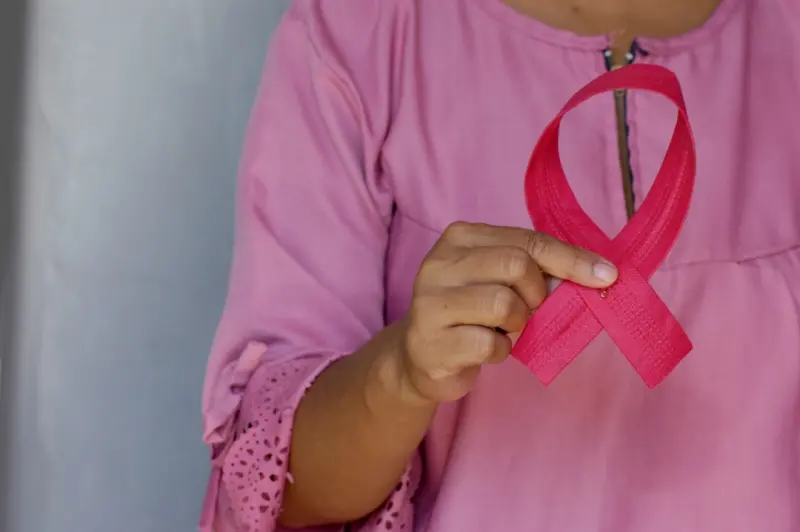
Reframing Cancer Prevention: The Power of Everyday Micro‑Habits
When I first started writing about health optimization, most of my audience expected tips on sleep hacks, muscle growth, or the next bio‑hack craze. Over time, a recurring question kept resurfacing: “What can I do right now, in the middle of my daily routine, to lower my cancer risk?” The answer isn’t a single super‑food or a once‑a‑year screening; it’s a constellation of tiny, intentional actions that together reshape the biological landscape in which cells thrive—or falter.
Why the “Micro‑Habit” Lens Works
Traditional cancer prevention messaging often feels overwhelming: “Eat more vegetables, quit smoking, exercise regularly.” Those are undeniably true, yet they are presented as monolithic goals that can trigger resistance. My own experience as a former corporate strategist taught me that large‑scale change is best achieved by breaking it down into bite‑size, repeatable patterns. Think of it as “habit architecture” for cellular health—a concept I borrowed from the fitness world but have now adapted for oncological resilience.
When you repeatedly choose a healthier micro‑habit, you’re not just improving one metric; you’re nudging a cascade of metabolic, hormonal, and immune pathways. Over months and years, these subtle shifts accumulate, creating an internal environment that makes it harder for rogue cells to gain a foothold.
Four Micro‑Habits That Have a Disproportionate Impact
Below are four evidence‑backed practices that can be woven into any schedule, no matter how hectic.
- Timed, Light‑Smart Eating – Align meals with your circadian rhythm. A growing body of research shows that eating later in the evening disrupts melatonin production, a hormone that also has anti‑cancer properties. Aim to finish your last substantial meal at least three hours before bedtime. If you’re hungry later, reach for a small protein‑rich snack (Greek yogurt, a handful of nuts) instead of processed carbs.
- Micro‑Movement Breaks – Stand, stretch, or do a minute of bodyweight squats every hour. While you’re not training for a marathon, these brief bursts keep insulin sensitivity high and reduce chronic inflammation, both of which are linked to cancer progression.
- Air Quality Checks – Indoor air can be a hidden source of carcinogens, from volatile organic compounds (VOCs) released by furniture to particulate matter from cooking. Simple actions like opening windows for five minutes after meals, using a HEPA filter, or adding houseplants known for air purification can dramatically improve the quality of the air you breathe.
- Story‑Sharing Sessions – Human connection isn’t just a feel‑good perk; it modulates stress hormones and strengthens immune surveillance. Set aside a weekly 10‑minute slot with a friend, family member, or support group to discuss a personal story—preferably one that involves overcoming a health challenge. This ritual has been shown to lower cortisol spikes and improve mood, both of which influence tumor biology.
From Theory to Practice: Building Your Personal Cancer‑Resilience Blueprint
Start by mapping your current day in 15‑minute blocks. Identify one slot where you can slip in a micro‑habit. For instance, if you find a lull between meetings at 11 am, use that window for a brief stretch routine. If you usually snack on a candy bar at 3 pm, replace it with a piece of fruit and a glass of water.
Track these swaps in a simple spreadsheet or a habit‑tracking app. The goal isn’t perfection; it’s consistency. After two weeks of steady adherence, add a second micro‑habit, then a third. By the time you’ve layered three or four, you’ll have built a robust, multi‑layered defense system that works silently in the background.
The Science Behind the Micro‑Habit Effect
Each of these habits influences distinct molecular pathways:
- Chrononutrition and DNA Repair – Eating in sync with your internal clock enhances the activity of PARP enzymes, which help repair DNA damage caused by oxidative stress.
- Micro‑Movement and Insulin Signaling – Even short bouts of activity stimulate AMPK, a cellular energy sensor that can inhibit the growth of cancer cells by limiting the availability of glucose.
- Air Purity and Reactive Oxygen Species (ROS) – Reducing inhaled pollutants lowers the burden of ROS, which are notorious for mutating DNA and triggering oncogenic pathways.
- Social Narrative and Immune Modulation – Sharing personal narratives triggers the release of oxytocin, a hormone that can enhance the activity of natural killer (NK) cells—our body’s frontline defenders against malignant transformations.
Connecting the Dots: How Lifestyle Systems Intersect
If you’ve been following this blog, you know I love drawing parallels between seemingly unrelated health domains. For instance, in my recent piece on why your blood sugar needs a calendar, not a calculator, I emphasized the importance of temporal patterns in metabolic health. The same principle applies to cancer prevention: timing matters, whether it’s when you eat, when you move, or when you expose yourself to environmental toxins.
Similarly, the post on the hidden systems that extend your lifespan highlighted how gut health, sleep, and stress interlock to determine longevity. Cancer risk is simply another facet of that intricate network. By strengthening the foundational systems—circadian rhythm, metabolic balance, immune vigilance—you’re simultaneously fortifying your body against a range of chronic diseases, cancer included.
Case Study: A Real‑World Application
Meet Maya, a 42‑year‑old marketing manager who recently discovered a family history of breast cancer. She felt paralyzed by the sheer magnitude of “what she should do.” After a consultation, she chose to implement two micro‑habits:
- She set a phone alarm for 7 pm each night to remind herself to finish dinner and start a light walk.
- She placed a small tabletop air purifier on her desk and made a habit of opening a window for five minutes after every lunch break.
Within three months, Maya reported better sleep, reduced evening cravings, and a noticeable lift in mood. Blood tests showed a modest improvement in fasting insulin and a reduction in inflammatory markers (CRP). While it’s impossible to claim any single habit prevented cancer, Maya’s story illustrates how layering small, sustainable actions can create a measurable shift in biomarkers linked to oncogenic risk.
Overcoming Common Barriers
Implementing new habits is rarely smooth sailing. Here are three pitfalls and how to sidestep them:
- “I don’t have time.” – The paradox is that micro‑habits require less than a minute. The real obstacle is perception. Re‑frame the habit as a “reset button” for your brain rather than an extra task.
- “I don’t see immediate results.” – Biological systems operate on lag. Use a habit‑tracking journal not to chase instant outcomes but to celebrate consistency.
- “I’m skeptical about air purifiers.” – Start with the low‑cost step of opening windows. If you notice less dust and fewer allergy symptoms, that’s a tangible cue that the environment is improving.
Future Directions: Personalizing Micro‑Habits with Data
We’re entering an era where wearable sensors can feed real‑time data into habit‑formation platforms. Imagine a smartwatch that alerts you when your body’s cortisol spikes, prompting an instant breathing exercise, or a smart fridge that suggests a circadian‑aligned snack based on your last meal. While these technologies are still emerging, the underlying principle remains the same: use data to fine‑tune micro‑habits for maximum cellular protection.
Take the First Step Today
Pick one of the four micro‑habits outlined above and commit to it for the next 14 days. Set a reminder, track it, and observe how you feel. After two weeks, evaluate the impact and add another habit. In a world saturated with grandiose health promises, the modest, consistent actions you take today could be the most potent weapon in your cancer‑prevention arsenal.

Related Posts

When Cancer Meets Narrative: Harnessing Storytelling for Healing and Empowerment
This article reveals how narrative medicine, digital storytelling platforms, and emerging AI tools a... Read More
Rewriting the Cancer Narrative: From Statistics to Human Stories
This article shifts the focus from cancer survival stats to the lived stories of patients, highlight... Read More
Beyond the Diagnosis: Redefining Work Culture for Cancer Warriors
This article offers a comprehensive playbook for leaders and teams to transform workplace culture, p... Read More
Top Posts
Micronutrient Synergy: Build Your Personal Superfood Library
Explore the power of micronutrient synergy and learn how to build a personalized superfood library that boosts mental clarity, stress resilience, and sustained ...Read More

Reimagining Home Spaces: How Environment Shapes Vitality in Later Life
A fresh look at how intentional home design, subtle sensory cues, and smart technology can transform everyday spaces into allies for healthy aging, enhancing sa...Read More

When Sleep Becomes Canvas: Turning Narcolepsy into a Creative Superpower
Learn to transform narcolepsy’s sudden REM intrusions into a wellspring of creative ideas, using micro‑naps, dream journaling, and tech tools to boost artis...Read More

Thriving After 65: A Holistic Blueprint for Senior Wellness
A comprehensive guide for seniors that blends purpose‑driven community, low‑tech social tools, micro‑movements, brain‑boosting nutrition, and smart home...Read More
0 Comments
Post Comment
You will need to Login or Register to comment on this post!