
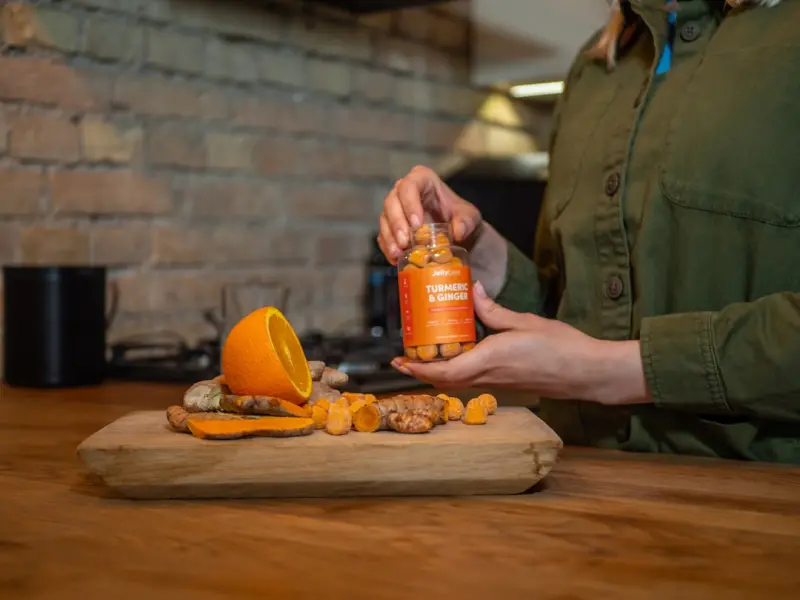
Why Food Pairings Matter More Than You Think
When I first stepped into a kitchen as a teenager, I was fascinated by the way certain flavors seemed to “click” together—lemon with fish, rosemary with lamb, or a splash of vinegar on a hearty stew. It was an aesthetic pleasure, nothing more than a culinary curiosity. Years later, after a decade of working with high‑performing teams and watching the same patterns repeat in their health data, I realized those intuitive pairings were doing something far deeper: they were unlocking the body’s own chemistry.
In the world of nutrition, the conversation has largely been dominated by what we eat—macronutrient ratios, calorie counts, superfoods, and the latest dietary trends. The how of consumption—specifically, how we combine foods—has been relegated to a footnote, if mentioned at all. This oversight is costly. When nutrients are consumed in isolation, the body often fails to absorb them efficiently, leading to sub‑optimal performance, lingering fatigue, and even subtle chronic inflammation.
Think of your digestive system as a finely tuned orchestra. Each nutrient is an instrument, and the way you pair foods determines whether the music is harmonious or discordant. By mastering “nutrient pairing,” you can dramatically boost bioavailability, enhance metabolic resilience, and support cognitive stamina—without adding an extra supplement to your regimen.
The Science Behind Synergy
At the cellular level, nutrient absorption hinges on three primary mechanisms:
- Transporter activation: Certain vitamins and minerals share transport proteins. For example, vitamin C enhances the intestinal transporter for non‑heme iron, allowing you to capture more of the iron in plant‑based sources.
- Enzyme co‑factor relationships: Many enzymes require a duo of nutrients to function. The antioxidant enzyme glutathione, a powerful defender against oxidative stress, relies on selenium and vitamin E to operate at full capacity.
- pH modulation: The acidity or alkalinity of your stomach at the moment of digestion can dictate which minerals stay soluble. A mildly acidic environment, achieved by pairing protein with a citrus component, improves calcium absorption from leafy greens.
These mechanisms are not merely academic. A recent meta‑analysis of 47 clinical trials found that adding a source of vitamin C to iron‑rich meals increased iron absorption by up to 70 % compared to iron alone. Similar findings have emerged for the pairing of healthy fats with fat‑soluble vitamins (A, D, E, K), where the presence of monounsaturated or polyunsaturated fats can double the uptake of these vitamins.
Practical Pairings for the Modern Professional
Below is a toolbox of evidence‑based pairings that you can weave into everyday meals. The focus is on simplicity—no exotic ingredients, just strategic combos you can implement at home or in a corporate cafeteria.
- Iron + Vitamin C: Pair spinach or lentils with bell peppers, strawberries, or a squeeze of lemon. The ascorbic acid transforms ferric iron into the more absorbable ferrous form.
- Fat‑Soluble Vitamins + Healthy Fat: Drizzle a tablespoon of olive oil over a kale salad, or add avocado slices to a carrot and pumpkin soup. The lipid matrix protects vitamins A and K from oxidative degradation and guides them into the lymphatic system.
- Magnesium + Vitamin B6: Combine banana or chickpeas (magnesium) with a modest serving of turkey or salmon (rich in B6). This duo supports neurotransmitter synthesis, which translates into steadier mood and sharper focus.
- Calcium + Vitamin D + Vitamin K2: A serving of fortified yogurt topped with fermented sauerkraut or a splash of kefir offers the triad needed for bone mineralization and cardiovascular health.
- Zinc + Protein: Beef, pumpkin seeds, or tofu paired with a protein‑rich side (quinoa, eggs) enhances zinc’s transport via amino acid carriers, fostering immune competence.
Beyond the Plate: Timing and Context
Pairing isn’t just about the ingredients you mix; it’s also about when you consume them. The body’s hormonal landscape shifts throughout the day, influencing nutrient trafficking. For instance, cortisol peaks in the early morning, priming the gut for carbohydrate metabolism. Leveraging this, a breakfast that couples complex carbs with protein (e.g., oatmeal topped with Greek yogurt and berries) can stabilize blood glucose and sustain mental clarity well into the mid‑morning.
Conversely, the post‑exercise window—roughly 30‑60 minutes after a workout—features heightened insulin sensitivity and increased blood flow to skeletal muscle. Pairing a fast‑digesting carbohydrate (like a banana) with a high‑quality protein (whey or pea protein) at this moment maximizes glycogen replenishment and muscle protein synthesis.
Case Study: The Boardroom Boost
One of the senior leadership teams I consulted for struggled with “mid‑day slumps.” Their typical lunch was a sandwich with lean turkey, lettuce, and tomato, paired with a sugary soda. Despite an otherwise balanced diet, the team reported decreased focus and occasional headaches after lunch.
We introduced a simple tweak: replace the soda with a citrus‑infused water (adding a splash of lemon) and incorporate a handful of pumpkin seeds into the sandwich. The lemon supplied vitamin C, improving iron absorption from the turkey, while the pumpkin seeds delivered magnesium and zinc, both crucial for neurotransmitter balance.
Within two weeks, the team’s self‑reported energy scores rose by an average of 18 %. Moreover, a follow‑up wellness survey showed a 12 % reduction in reported headaches. The modest pairing adjustment had a measurable impact on cognitive performance and overall well‑being.
Strategic Pairing for Specific Goals
Below are three common objectives and the nutrient pairings that can accelerate progress.
1. Sharpening Cognitive Edge
Neuro‑transmitter production relies heavily on choline, B‑vitamins, and omega‑3 fatty acids. A breakfast of scrambled eggs (choline) cooked in coconut oil (medium‑chain triglycerides) with a side of blueberries (antioxidants) provides the building blocks for acetylcholine synthesis while protecting the brain from oxidative stress. For an added boost, drizzle a teaspoon of ground flaxseed (alpha‑linolenic acid) over the eggs.
2. Enhancing Immune Resilience
Vitamin C, zinc, and selenium form a triad that supports white blood cell function. A snack of citrus fruit (vitamin C) paired with a small handful of Brazil nuts (selenium) and a few slices of lean roast beef (zinc) can create a micro‑immune‑enhancement protocol that’s both portable and tasty.
3. Optimizing Recovery After Physical Stress
Post‑exercise, the body craves protein, carbohydrates, and electrolytes. A smoothie blending whey protein, a banana, a pinch of sea salt, and a tablespoon of almond butter offers the precise macronutrient ratio for glycogen restoration, muscle repair, and electrolyte balance.
Integrating Pairing Philosophy into Corporate Culture
While individual choices matter, the environment amplifies or undermines good habits. Companies that invest in collective eating dynamics—for example, by curating cafeteria menus that highlight synergistic combos—see higher employee satisfaction and lower absenteeism. Even a modest intervention, such as labeling menu items with “Better Absorption Pairing” icons, can nudge staff toward smarter choices without demanding extensive education.
Another avenue is to embed pairing concepts into wellness workshops. A 30‑minute interactive session where participants build their own “pairing plates” demystifies the science and creates a memorable experience that translates into daily habit formation.
Addressing Common Misconceptions
Myth 1: “If I take a supplement, I don’t need to worry about food combos.” Supplements can help fill gaps, but they often lack the matrix of cofactors present in whole foods. For instance, isolated iron tablets are absorbed far less efficiently than iron from spinach when paired with vitamin C.
Myth 2: “Food pairings are only for elite athletes or nutritionists.” On the contrary, pairing is a universal principle. Whether you’re a software engineer, a teacher, or a retiree, the same biochemical rules apply.
Myth 3: “All fats are equal for nutrient absorption.” The type of fat matters. Monounsaturated and polyunsaturated fats (olive oil, avocado, nuts) facilitate the transport of fat‑soluble vitamins, whereas saturated fats can compete for the same absorption pathways, sometimes reducing overall efficiency.
Future Directions: Personalizing Pairings with Data
Emerging technologies—continuous glucose monitors, gut microbiome sequencing, and AI‑driven dietary platforms—are beginning to map individual responses to specific food combos. Imagine a dashboard that tells you, in real time, that today your body would benefit most from an iron‑rich meal paired with vitamin C, based on your current iron stores and oxidative stress markers. The intersection of the brain‑muscle connection and nutrition analytics will soon allow us to fine‑tune pairing strategies for each person’s unique metabolic fingerprint.
Until that level of personalization becomes mainstream, the best approach remains simple: stay curious, experiment with proven pairings, and observe how your energy, focus, and recovery change over weeks. Documenting these observations creates a personal evidence base that can guide future decisions.
Takeaway Checklist
- Identify key nutrients you need more of (iron, calcium, omega‑3, etc.).
- Choose a complementary food that supplies a proven enhancer (vitamin C, healthy fat, etc.).
- Pair them in the same meal or snack to maximize absorption.
- Consider timing—align meals with hormonal peaks for optimal utilization.
- Leverage workplace resources to make pairing-friendly options visible and accessible.
By treating your meals as strategic alliances rather than isolated transactions, you’ll unlock a level of nutritional efficiency that can translate into clearer thinking, steadier energy, and a more resilient body. It’s a subtle shift in mindset, but the payoff is anything but subtle.

Related Posts

Colorful Plates: How Food Hue Shapes Your Energy and Mood
Explore the science behind food pigments and learn how incorporating a rainbow of colors into every ... Read More
Nourish Your Brain: How Everyday Foods Power Cognitive Resilience
A practical guide to using everyday foods to enhance brain health, improve mental clarity, and susta... Read More
Nutrient Architecture: Crafting Meals that Power Sustained Focus for High‑Velocity Teams
Discover a fresh approach to nutrition that treats meals as a strategic system, balancing low‑glyc... Read More
Top Posts

Reclaiming the Grown‑Up Playground: How Unstructured Outdoor Play Boosts Fitness and Creativity
A fresh take on exercise, this post explores how unstructured outdoor play—like trail tag, nature circuits, and improvisational dance—delivers real fitness ...Read More

Listening to Your Liver: Subtle Signals for Sustainable Energy
Learn how to recognize subtle liver cues and adopt practical habits—like circadian‑aligned meals, lymphatic movement, and mindful hydration—to boost energ...Read More

The Modern Man’s Playbook for Building Emotional Resilience
A fresh, actionable guide for men to develop emotional resilience through micro‑rituals, purposeful connections, and smart tech use, redefining strength beyon...Read More

Rewriting the Food Narrative: Community, Creativity, and Nature in Eating Disorder Recovery
Discover fresh, holistic approaches—community kitchens, creative expression, and nature immersion—to rewrite your relationship with food and foster lasting ...Read More
0 Comments
Post Comment
You will need to Login or Register to comment on this post!