

Why Sleep Apnea Is the Quiet Thief of Your Best Ideas
When I first heard the term “sleep apnea” I imagined a noisy partner snoring and stealing the blankets. It turns out the real culprit is far quieter—an intermittent pause in breathing that can hijack the brain’s ability to think clearly, make decisions, and conjure up fresh ideas. In my years as a health‑focused strategist, I’ve watched brilliant executives, creative freelancers, and even tech founders stumble over simple tasks, only to discover a hidden diagnosis was pulling the rug out from under them.
The Physiology You Don’t Need a PhD to Understand
During a normal night, we glide through several sleep cycles, each lasting roughly 90 minutes. The body oscillates between light sleep, deep restorative sleep, and REM—the stage when the brain consolidates memory and fuels creativity. In obstructive sleep apnea (OSA), the airway collapses repeatedly, causing brief (<10 seconds) breathing stops. The brain reacts with a surge of adrenaline, jolting you out of deep sleep into lighter stages. This fragmentation may feel like a minor inconvenience, but it’s a relentless assault on the neural circuits that underlie focus, problem‑solving, and emotional regulation.
Neuro‑cognitive Fallout: From Brain Fog to Decision Paralysis
Research shows that even mild, untreated OSA can shrink the prefrontal cortex—the command center for planning, impulse control, and abstract thinking. Imagine trying to steer a ship with a rusted wheel; you’ll veer off course more often, and the crew (your body) will tire quickly. The result is:
- Reduced working memory: Struggling to keep multiple ideas in mind.
- Impaired executive function: Decision fatigue sets in after the smallest choices.
- Blunted creative spark: The brain’s default mode network, which fuels insight, is under‑active.
These symptoms masquerade as “just a busy day” or “stress overload,” making it hard to pinpoint the underlying sleep disorder.
A Real‑World Case: The Startup Founder Who Missed Her Funding Round
Take Maya, a founder I coached on performance optimization. She was relentless—working 12‑hour days, pushing her team hard, and constantly brainstorming new product features. Yet she kept missing key details, forgetting follow‑up emails, and her pitch deck felt flat. A routine health check revealed moderate OSA. After initiating CPAP therapy, within weeks Maya reported clearer thinking, sharper presentations, and a renewed ability to iterate quickly. Her next funding round closed at a valuation 30% higher than the previous one.
Why Traditional “Sleep Hygiene” Isn’t Enough
Most sleep‑improvement articles focus on dimming lights, cutting caffeine, and establishing a bedtime routine. While those habits are essential, they don’t address the physiological roadblocks OSA creates. Even if you optimize your bedroom air quality, the airway collapse will persist without targeted treatment.
Integrating Technology: The New Frontier of At‑Home Monitoring
Wearable sleep trackers have evolved from simple step counters to sophisticated devices that can detect breathing irregularities. Brands now offer pulse‑ox sensors that flag drops in oxygen saturation—a hallmark of apnea events. Pair these gadgets with mobile apps that generate nightly reports, highlighting the number of apnea episodes, average duration, and “sleep efficiency” score. When you see concrete data, you’re more likely to take action, whether that means consulting a sleep specialist or exploring positional therapy.
Simple Lifestyle Tweaks That Complement Medical Treatment
While CPAP (continuous positive airway pressure) remains the gold standard, many people seek adjunct strategies to reduce severity. Here are three evidence‑based tweaks you can adopt right now:
- Mindful Posture During the Day: Poor neck alignment can exacerbate airway narrowing at night. Incorporate regular thoracic extensions and chin tucks throughout your workday.
- Weight‑Sensitive Nutrition: Even a modest 5‑10% reduction in body weight can lower apnea intensity dramatically. Focus on nutrient‑dense foods that keep you satiated without excess calories. For a deeper dive into how diet influences systemic health, see Beyond Diet.
- Community Accountability: Sharing progress with a supportive group can improve adherence to CPAP and lifestyle changes. The Social Prescription model highlights how peer networks boost health outcomes across the board.
Reclaiming Your Creative Edge
Once you stabilize breathing during sleep, the brain can finally enter uninterrupted REM cycles. That’s when the “aha!” moments happen. To amplify this effect:
- Schedule “idea incubation” periods after REM‑rich sleep: Your mind is most fertile in the early morning, so reserve that time for brainstorming.
- Keep a dream journal: Dreams can surface subconscious connections useful for problem‑solving.
- Practice “micro‑meditation” before bed: A brief 5‑minute focus session can lower sympathetic arousal, making it easier for the airway muscles to stay relaxed.
Measuring Success: Beyond the Scale
Many patients fixate on the CPAP’s nightly “hours used” metric, but the true KPI is cognitive performance. Consider setting monthly benchmarks such as:
- Reduced number of forgotten tasks (track via a task manager).
- Improved scores on short‑term memory quizzes (apps like Lumosity can help).
- Increased creative output (count new ideas generated per week).
When you see these numbers climb, you’ll know the therapy is paying dividends far beyond the bedroom.
When to Seek Professional Help
If you experience any of the following, schedule a sleep study (polysomnography) promptly:
- Loud, chronic snoring coupled with gasping.
- Excessive daytime sleepiness, even after a full night’s rest.
- Morning headaches, dry mouth, or irritability.
- Reduced performance at work or in creative pursuits.
Early intervention not only restores mental acuity but also mitigates long‑term health risks such as hypertension, type 2 diabetes, and cardiovascular disease.
Conclusion: Turning a Silent Saboteur into a Strategic Advantage
Sleep apnea isn’t just a medical condition; it’s a strategic vulnerability that can erode the very assets that power innovation—clarity, focus, and imagination. By recognizing the signs, leveraging modern monitoring tech, and pairing clinical treatment with targeted lifestyle shifts, you can neutralize the threat and unlock a new level of mental performance. The next time you’re stuck on a problem, consider whether the real answer lies not in a new tool, but in the quality of the breath you take while you sleep.

Deb Roberts is a freelancer who writes on various subjects, bringing versatility and depth to her work. Alongside her broad writing expertise, she has a special passion for horses.
Related Posts

Breathing Easy on the Road: My Journey Managing Sleep Apnea While Traveling
I share my personal roadmap for navigating sleep apnea while traveling, covering equipment, accommod... Read More

Sleeping Soundly: Paul Gray’s Holistic Blueprint to Tackle Sleep Apnea
Paul Gray shares a holistic, step‑by‑step plan—diet, detox, sleep environment, and mind‑body... Read More
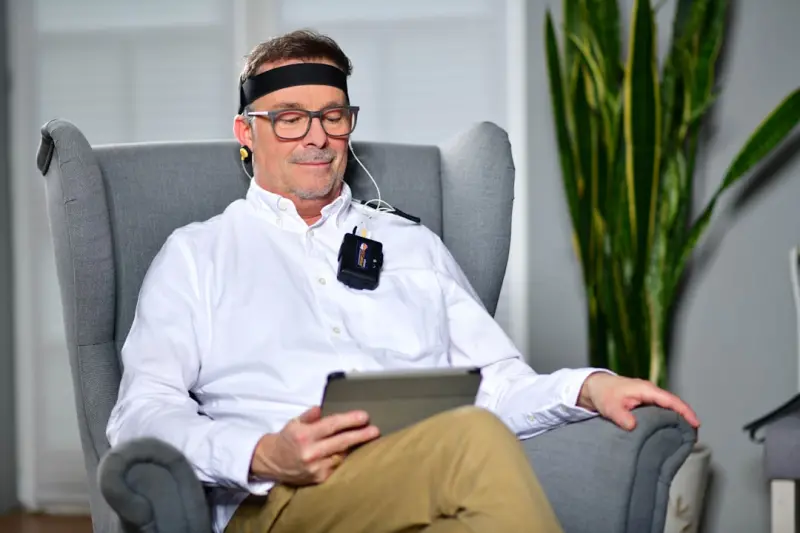
Beyond the CPAP: A Data‑Driven, Biofeedback Approach to Taming Sleep Apnea
Discover a fresh, three‑pronged plan to conquer sleep apnea using real‑time data, biofeedback br... Read More
Top Posts
Rethinking Blood Pressure: Small Daily Levers for Big Calm
A fresh take on blood pressure management, focusing on tiny daily practices like intentional breathing, micro‑movements, nutrient layering, metabolic flexibil...Read More
Decision Hygiene: Reducing Mental Clutter for Better Well‑Being
Discover decision hygiene—a systematic approach to trim everyday choices, preserve mental bandwidth, and foster emotional resilience. Follow a 7‑day plan to...Read More
Biofeedback Mastery: Turning Real‑Time Data into a Longevity Advantage
Explore a data‑driven longevity framework that uses HRV, breathing, and wearable tech to create habit loops, optimize nutrition, and boost resilience for a lo...Read More
Holistic Strategies for Women’s Health: Craig Brett’s 2024 Blueprint
Craig Brett shares a comprehensive, holistic roadmap for women’s health, covering nutrition, exercise, mental well‑being, reproductive care, and liver healt...Read More
0 Comments
Post Comment
You will need to Login or Register to comment on this post!