

Why My Wanderlust Met a Breathing Challenge
Ever since I booked my first solo backpacking trip, the world has felt like a series of open doors, each promising new flavors, sounds, and faces. The night I was diagnosed with obstructive sleep apnea, I feared those doors would slam shut, especially the ones that led to airports and hotel rooms where the air feels thinner and routines dissolve. Yet, instead of retreating, I decided to map out a strategy that lets my lungs keep pace with my curiosity, turning a medical setback into a travel‑ready playbook.
Demystifying Sleep Apnea for the Road‑Warrior
Obstructive sleep apnea occurs when soft tissue collapses in the throat, briefly pausing breathing dozens of times per night, which fragments sleep and drains daytime energy. The condition isn’t just about loud snoring; it can silently raise blood pressure, impair cognition, and even increase accident risk—critical concerns when you’re navigating unfamiliar streets or tight flight connections. Understanding the mechanics equips you to anticipate triggers, making it easier to protect your rest wherever you set down your suitcase.
Airlines Aren’t Always Sleep‑Friendly, But They Can Be Managed
Cabin pressure, dry air, and the temptation to recline early can all exacerbate airway collapse, especially on long‑haul flights where you’re forced to stay upright for hours. I learned to request a seat with extra legroom or a bulkhead spot, allowing my CPAP mask to sit comfortably without the dreaded “mask‑slip” that many passengers dread. Additionally, notifying the airline ahead of time ensures they flag your CPAP as a medical device, often granting you priority boarding and a power outlet for the machine.
Packing the CPAP Arsenal Without Overpacking
Traveling light is an art, but when a CPAP machine becomes your nightly companion, you need a dedicated packing plan that balances protection with portability. I keep a compact travel‑size CPAP in a hard‑shell case, pair it with a lightweight power adapter, and slip a set of disposable filters into a zip‑lock bag for quick swaps. Below is a checklist that keeps the essentials within reach:
- Travel‑size CPAP unit
- Power cord and universal plug adapter
- Two sets of disposable filters
- Mask cushions and headgear
- Battery pack for overnight flights
Hotel Rooms: Turning a Temporary Bed into a Sleep‑Sanctuary
Most hotel beds aren’t calibrated for sleep apnea, but a few simple adjustments can transform a generic room into a supportive environment. I always request a quiet floor away from elevators, and I bring a portable white‑noise machine to drown out distant hallway chatter that might prompt me to shift positions. Adding a small pillow wedge elevates the head slightly, reducing the likelihood of airway obstruction while you drift off on unfamiliar sheets.
Alternative Therapies When CPAP Isn’t Practical
There are moments—like a quick overnight layover—when lugging a CPAP isn’t feasible, so I lean on adjunctive tools that keep my airway open without electricity. A nasal dilator can widen passages, while positional therapy pillows encourage side‑sleeping, a natural way to lessen apnea events. For a broader perspective on nighttime comfort, explore unexpected sleep strategies that complement the primary treatment.
Mindful Consumption: Caffeine, Alcohol, and the Travel Menu
Travel menus often tempt you with extra caffeine and cocktail culture, but both substances can deepen airway relaxation and destabilize your breathing rhythm. I limit coffee to the morning and choose low‑alcohol options, preferring sparkling water with a splash of citrus to stay hydrated without the sedative effects of spirits. This simple dietary mindfulness preserves the integrity of my night‑time breathing, especially after a long day of exploring.
Jet Lag, Time Zones, and the Circadian Clock
Crossing time zones scrambles the body’s internal clock, and a misaligned circadian rhythm can intensify apnea symptoms, leaving you groggier than usual. I combat this by gradually shifting my sleep schedule a few days before departure, exposing myself to natural sunlight in the new locale, and using a short‑acting melatonin supplement to reset the rhythm without over‑sedating. Aligning the clock helps my airway muscles stay responsive, making each night feel less like a gamble.
Psychological Resilience: From Nighttime Anxiety to Empowered Explorer
Living with sleep apnea can seed a subtle anxiety about sleeping in new environments, but reframing the narrative transforms fear into proactive preparation. I keep a travel journal where I note successful nights, equipment tweaks, and any lingering concerns, turning each entry into a confidence boost for the next journey. When worries do surface, I turn to resources on managing nighttime anxiety, which offers calming techniques that work well even without a CPAP in reach.
Closing the Loop: Breathing Easy, Traveling Far
The road ahead is still full of unknowns, but with a solid CPAP plan, smart hotel hacks, and a mindset tuned to both body and mind, sleep apnea no longer feels like a travel roadblock. Each trip becomes a test of preparation, and each successful night of uninterrupted breathing is a reminder that the world is still yours to explore. So pack your mask, your courage, and your curiosity—you’ll find that the best views are often just a well‑rested step away.

Related Posts

Breathing Easy on the Road: Managing Sleep Apnea as a Digital Nomad
Learn how to travel with sleep apnea—gear, time‑zone hacks, accommodation tips, nutrition, weara... Read More
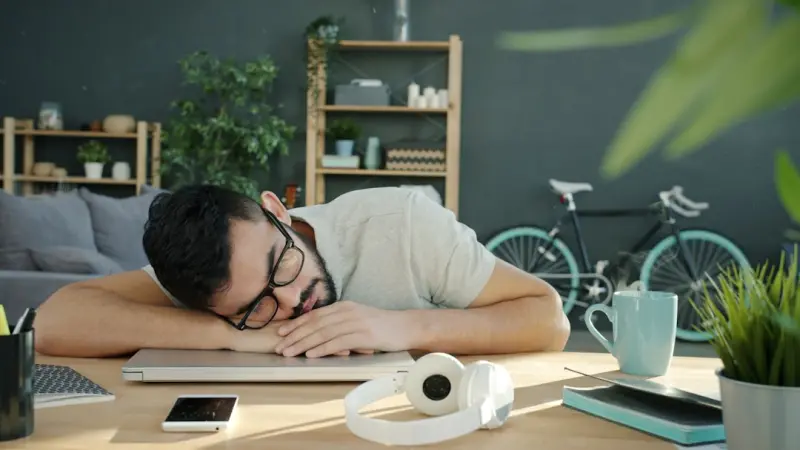
Remote Work, Sleep Apnea, and the New Productivity Playbook
Explore the unique challenges sleep apnea poses for remote workers and learn actionable strategiesâ€... Read More

Beyond Snoring: How Sleep Apnea Undermines Workplace Brainpower and What Tech Can Do About It
Sleep apnea silently erodes cognitive function and emotional stability, costing businesses in lost p... Read More
Top Posts

Anticipatory Rehabilitation: Turning Data into Movement Freedom
Physiotherapy is evolving into anticipatory rehabilitation, using wearables and data analytics to predict and prevent injuries before they happen, empowering pa...Read More

Boosting Your Baby’s Health Naturally in 2026
A mother’s guide to nurturing infant immunity, sleep, nutrition, and bonding with holistic, evidence‑based practices for 2026....Read More
Cultivating Cognitive Resilience Through Nature, Play, and Nutrition
A practical guide that blends outdoor exposure, curiosity‑driven play, nutrient‑dense meals, strategic micro‑breaks, and social connection to strengthen b...Read More
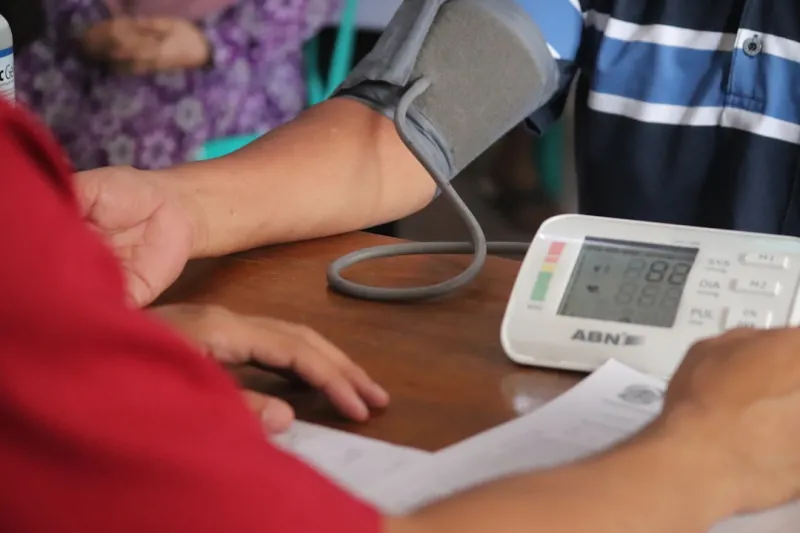
Mastering Blood Pressure: A Holistic Guide for 2026
A personal, holistic roadmap for 2026 that blends nutrition, exercise, mindfulness, and community to sustainably manage blood pressure and boost overall vitalit...Read More
0 Comments
Post Comment
You will need to Login or Register to comment on this post!