
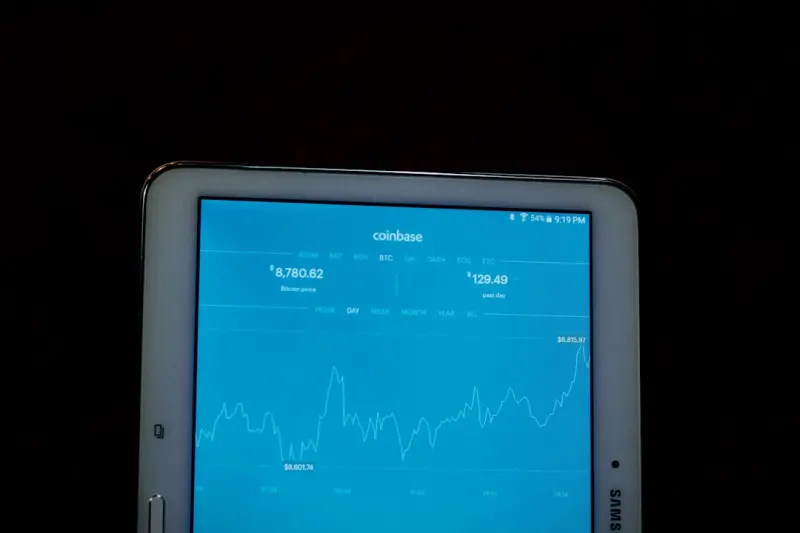
Why Real‑Time Biofeedback Is the Missing Link in Modern Longevity Strategies
When I first encountered a sleek wrist‑band that could read my heart rate variability (HRV) during a morning jog, I felt like a kid with a new video game controller—except the stakes were my own lifespan. Most longevity conversations orbit around diet, sleep, and exercise, but the data we gather from our bodies in real time can be a more precise compass. In this piece, I’ll walk you through how biofeedback transforms raw physiological signals into actionable habits that can stretch healthspan and, ultimately, lifespan.
The Science of Autonomic Balance
The autonomic nervous system (ANS) regulates the fight‑or‑flight and rest‑and‑digest responses. When the sympathetic arm (fight‑or‑flight) dominates for too long, chronic stress creeps in, eroding cellular repair mechanisms and accelerating aging. Conversely, a well‑tuned parasympathetic system (rest‑and‑digest) supports mitochondrial health, DNA repair, and the clearance of cellular waste.
HRV, skin conductance, and respiratory rate are the most accessible windows into the ANS. Higher HRV generally signals a resilient, adaptable system—one that can bounce back from stressors with minimal wear and tear. Lower HRV, on the other hand, flags a system that’s stuck in overdrive, a known predictor of cardiovascular disease, inflammation, and reduced longevity.
From Raw Numbers to Habit Loops
Collecting data is only half the battle. The true power lies in translating those numbers into habit loops that reinforce autonomic balance.
- Morning Baseline Scan: Start each day with a five‑minute seated HRV measurement. If your baseline is low, prioritize gentle movement—dynamic stretching, a short walk, or a breathing exercise—to shift the balance before diving into high‑intensity work.
- Mid‑Day Stress Check: Use a quick skin conductance snapshot before lunch. A spike suggests accumulated sympathetic pressure. Take a 10‑minute “micro‑pause” of diaphragmatic breathing or a brief meditation to reset.
- Evening Wind‑Down: Track respiratory rate and HRV during the hour before bed. If you notice a sluggish decline, integrate a warm shower, dim lighting, or a short gratitude journal (yes, writing can calm the nervous system) to ease the transition into sleep.
These loops create a feedback‑driven ecosystem where each data point informs a micro‑adjustment, nudging the body toward a healthier equilibrium over weeks and months.
Integrating Biofeedback With Nutrition
Nutrition is not a static, once‑a‑day decision. Your metabolic state fluctuates throughout the day, and biofeedback can illuminate the optimal windows for nutrient intake.
For example, after a low‑HRV morning, a protein‑rich breakfast can support glycogen replenishment without overtaxing the digestive system. Conversely, a high‑HRV readout in the afternoon signals a calm, parasympathetic state—prime time for a larger, plant‑based meal that leverages the body’s natural insulin sensitivity.
Want a deeper dive into turning daily rhythms into a nutrition strategy? Check out the personalized nutrition lab guide.
Biofeedback Meets the Mind: Cognitive Resilience
Stress isn’t only physiological; it’s also mental. By pairing HRV data with simple cognitive tasks—like a 60‑second mental math challenge—you can gauge how mental load impacts your ANS. When a stressful task drops HRV dramatically, it’s a cue to embed brief mental “detox” periods throughout the day: a walk, a puzzle, or a moment of mindful observation.
This approach mirrors the concept of lifelong learning and longevity, but with a twist: instead of merely accumulating knowledge, you’re measuring how learning itself taxes or trains your nervous system, allowing you to fine‑tune the difficulty and frequency of cognitive challenges.
The Role of Wearables in Long‑Term Data Aggregation
Modern wearables have progressed beyond step counters. They now capture a suite of signals: HRV, SpO₂, skin temperature, and even sleep staging. The key to longevity isn’t the sheer volume of data but the ability to spot trends over months and years.
Most users fall into the “snapshot” trap—checking metrics once a week and feeling discouraged by occasional dips. A better practice is to build a rolling average window (e.g., 30‑day HRV moving average) and track the slope of change. A steady upward slope suggests improved resilience, while a downward trend warns you to intervene.
When you notice a persistent decline, ask yourself:
- Am I consistently over‑training?
- Has my caffeine intake spiked?
- Are there unresolved emotional stressors?
Answering these questions transforms abstract numbers into concrete lifestyle pivots.
Practical Biofeedback Tools and Platforms
Here’s a quick rundown of tools that make data collection seamless:
- HRV‑Focused Wearables: Devices like the Oura Ring, Whoop Strap, and Garmin Vivosmart provide nightly HRV readings that can be exported for deeper analysis.
- Portable ECG Monitors: The KardiaMobile 6L offers a five‑lead ECG, giving you insight into heart rhythm beyond HRV.
- Breathing Apps: Apps such as Breathwrk or Wim Hof integrate guided breathing exercises with real‑time HRV feedback.
- Data Aggregators: Platforms like Apple Health, Google Fit, or the open‑source HRV4Training app let you merge multiple streams into a single dashboard.
Designing a Biofeedback‑Centric Longevity Routine
Below is a sample day that weaves biofeedback into every major segment:
- 06:30 – Wake‑Up Scan: 5‑minute seated HRV. Log the value.
- 06:45 – Breathwork: 5‑minute box breathing to elevate HRV.
- 07:00 – Nutrition: Tailor breakfast based on the scan (protein‑rich if HRV low, carbohydrate‑focused if high).
- 09:30 – Mid‑Morning Check: Quick skin conductance read; if elevated, take a 5‑minute walk.
- 12:00 – Lunch: Align meal composition with midday HRV trend.
- 15:00 – Cognitive Load Test: 60‑second mental task, note HRV impact.
- 18:00 – Evening Scan: Measure HRV post‑workout; adjust dinner macronutrients accordingly.
- 20:00 – Wind‑Down Ritual: Light stretching, low‑blue‑light environment, and a brief gratitude reflection to boost parasympathetic tone.
- 22:00 – Bedtime HRV: Record final reading, compare to baseline trends.
This framework is intentionally flexible. The goal isn’t rigidity but creating a habit ecosystem where each data point triggers a small, intentional adjustment.
Long‑Term Benefits Backed by Research
Several longitudinal studies have linked higher HRV with reduced mortality risk. One notable study of over 2,000 adults found that each standard deviation increase in HRV correlated with a 15% reduction in all‑cause death over a ten‑year follow‑up. Moreover, interventions that improve HRV—such as regular aerobic exercise, mindfulness meditation, and cold exposure—have been shown to extend telomere length, a molecular hallmark of aging.
Cold exposure, in particular, is an emerging biofeedback tool. The sudden drop in skin temperature triggers a surge in parasympathetic activity after the initial sympathetic spike, effectively “resetting” the ANS. A weekly 2‑minute cold shower, paired with HRV tracking, can provide measurable improvements in autonomic balance.
Addressing Common Skepticism
“I’m not a tech person.” – Start with a single metric, like nightly HRV, and let the data speak for itself. The habit loop is simple: measure, notice a dip, act, and re‑measure.
“My data fluctuates too much to be useful.” – Biological systems are inherently variable. Focus on trends, not day‑to‑day noise. A rolling average smooths out the spikes.
“I don’t have time for all these checks.” – The most powerful checks are passive: a wearable that logs automatically while you sleep, and a quick glance at your phone app before breakfast.
Connecting Biofeedback With a Holistic Reset
While biofeedback offers precision, it works best when paired with broader lifestyle resets. For a deeper exploration of a comprehensive approach to body renewal, see the holistic body reset guide. Combining systemic detox with real‑time feedback creates a synergistic loop—detox clears the pathways, and biofeedback fine‑tunes the traffic.
Future Horizons: AI‑Driven Longevity Coaching
Imagine an AI coach that ingests your HRV, sleep stages, nutrition logs, and stress markers, then generates a daily playbook tailored to your unique physiology. Early prototypes already exist, offering predictive alerts—like “Your HRV trend suggests you’re entering a high‑stress window; schedule a 10‑minute breath session.” As these algorithms mature, the gap between data collection and actionable insight will shrink dramatically, democratizing precision longevity for anyone with a wrist‑band.
Takeaway: Data Is the New Elixir
We’ve chased elixirs for centuries—herbs, tonics, exotic diets—yet the most potent longevity catalyst may already be on our wrists. By treating our bodies as living data streams and responding with micro‑adjustments, we can nurture autonomic balance, support cellular repair, and ultimately stretch the arc of vitality.
If you’re ready to move from vague health goals to a quantifiable, feedback‑rich longevity plan, start today: strap on a wearable, take a baseline HRV, and commit to one micro‑adjustment based on that reading. The future of aging well isn’t about radical overhauls; it’s about the steady, data‑guided tweaks that compound over a lifetime.

Related Posts

Harnessing Social Rhythm: A New Frontier in Longevity
Explore the science behind social rhythm and learn practical micro‑rituals that turn everyday conn... Read More
Chronotype Alignment: Harnessing Your Body’s Clock for a Longer, Healthier Life
Learn practical ways to identify your chronotype, align nutrition, movement, work, and social routin... Read More
Unlocking Longevity: A Holistic Blueprint for a Vibrant Life in 2026
Explore a holistic longevity blueprint that weaves daily movement, gut health, mindful sleep, mental... Read More
Top Posts

When Numbers Talk: A Compassionate Roadmap for Living with Prediabetes
Prediabetes can feel like a looming threat, but reframing it as a personal signal opens the door to compassionate change. This guide offers mindful data practic...Read More
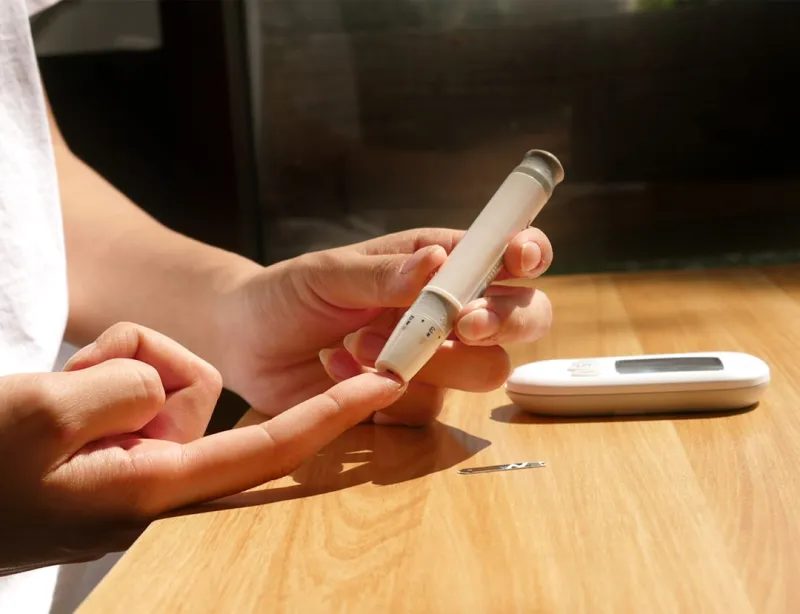
Understanding Prediabetes: A Holistic Approach to Prevention and Management
Prediabetes is a condition where blood sugar levels are higher than normal but not high enough to be classified as diabetes. Learn about its causes, risk factor...Read More

Sleep Terrors as a Signal System for High‑Performance Teams
Sleep terrors aren’t just scary dreams—they’re data points. Learn how to track, interpret, and leverage these nighttime episodes to boost personal perform...Read More

Cloud Conversations: How Vaping Is Redefining Social Interaction in the Modern Office
A deep dive into how vaping is changing the way we connect at work, from casual cloud‑sharing to new norms around health, community, and policy....Read More
0 Comments
Post Comment
You will need to Login or Register to comment on this post!