

Breathing Easier at Home: The Unexpected Role of Indoor Air Quality in Sleep Apnea
When I first learned that my partner’s loud, irregular breathing at night wasn’t just a nuisance but a sign of sleep apnea, I dove headfirst into the world of CPAP machines, positional therapy, and dietary tweaks. While those strategies are essential, I quickly discovered a hidden culprit that rarely makes the headlines: the air we breathe inside our own homes. In this deep‑dive, I’ll share how indoor air quality, ventilation patterns, and even the placement of furniture can amplify—or alleviate—the strain on a compromised airway.
Why the Air Around Us Matters More Than You Think
Sleep apnea is fundamentally a mechanical problem—obstructions in the airway that interrupt breathing during sleep. However, the respiratory system doesn’t operate in a vacuum. Airborne particles, humidity levels, and temperature fluctuations can influence inflammation in the upper airway, mucus production, and the tone of the muscles that keep the airway open.
- Particulate matter (PM2.5 and PM10): Fine dust, pollen, and pet dander settle on nasal passages, irritating the mucosa and causing swelling.
- Volatile organic compounds (VOCs): Emitted from paints, cleaning agents, and furniture, VOCs can trigger low‑grade inflammation, making the airway more prone to collapse.
- Humidity extremes: Dry air dries out the throat, increasing friction, while overly humid environments can foster mold growth, both of which irritate the airway.
When any of these factors are present in your bedroom, you’re essentially adding friction to an already compromised system.
Mapping the Bedroom: A Practical Air‑Flow Audit
Before you invest in a pricey air purifier, walk through your sleep sanctuary with a critical eye. Here’s a step‑by‑step checklist I use every month:
- Identify sources of pollutants. Look for scented candles, incense, or air fresheners. Even “natural” essential oils can release irritating compounds.
- Check ventilation. Is your bedroom window openable? Does it have a vent that circulates fresh air, or is it sealed shut?
- Measure humidity. A simple hygrometer will tell you if you’re below 30 % (too dry) or above 60 % (too moist).
- Spot mold or mildew. Dark corners, especially around windows, can harbor hidden growth that releases spores into the air.
- Assess furniture placement. Large pieces can block natural airflow, creating pockets of stagnant air.
Armed with this data, you can target the most impactful changes first.
Air Purifiers: Friend or Fad?
High‑efficiency particulate air (HEPA) filters are great at trapping dust, pollen, and pet hair, but they don’t address VOCs. If VOCs are a concern, look for a unit that also incorporates an activated carbon filter. Position the purifier near the head of the bed—where you spend the longest time breathing—to maximize its benefit.
One caveat: Some units produce a faint ozone smell, which can irritate the airway. Choose a certified ozone‑free model, and run it on a low setting to avoid over‑drying the room.
Natural Ventilation Strategies That Won’t Break the Bank
If you live in a climate with moderate temperatures, simply opening a window for a few minutes each night can dramatically improve air exchange. For colder climates, consider a heat‑recovery ventilator (HRV) that brings in fresh air while retaining warmth. The key is to create a gentle cross‑draft that pushes stale air out without creating a wind‑chill that disrupts sleep.
Humidity Hacks: The Sweet Spot for Sleep
Invest in a digital hygrometer and aim for a relative humidity between 40 % and 50 %. If your room is too dry, a cool‑mist humidifier placed across from the bed can add moisture without making the space feel clammy. Conversely, if humidity spikes, a small dehumidifier or an absorbent silica gel pack under the mattress can bring levels back down.
Plants: Green Allies or Sneaky Pollutants?
Houseplants are often touted for their air‑purifying abilities, but not all are created equal. Species like Spider Plant and Snake Plant can absorb some VOCs, yet they also release pollen that may aggravate allergic rhinitis—a known trigger for apnea episodes. If you’re allergic, opt for low‑pollen varieties or keep plants out of the bedroom entirely.
When Clean Air Meets Lifestyle: A Holistic Approach
Improving indoor air quality is only one piece of the puzzle. Pair it with other evidence‑based tactics to create a comprehensive plan:
- Weight management: Excess tissue around the neck narrows the airway. Even modest weight loss can reduce apnea severity.
- Positional awareness: Sleeping on the side can keep the tongue from falling back.
- Mindful breathing exercises: Strengthening the diaphragm and soft palate muscles can improve airway tone over time.
One of my favorite resources that ties breathing into overall wellness is a recent piece on harnessing the lymphatic highway and breath. It explores how conscious breathing can support both detox pathways and sleep quality—a perfect complement to an air‑clean environment.
Tech Tools for the Data‑Driven Sleeper
Modern wearables now track oxygen saturation (SpO₂), respiratory rate, and even ambient sound levels. By syncing these metrics with a smart home hub, you can automate ventilation based on real‑time data. For example, if your device detects a dip in SpO₂, the system could trigger a brief window opening or increase the fan speed on your purifier.
While this level of automation may seem futuristic, several consumer‑grade platforms already offer API access to sensor data, allowing hobbyists to script custom responses.
Case Study: A Bedroom Makeover That Cut Apnea Events in Half
One of my clients, a software engineer who worked from home, reported a 45 % reduction in apnea events after a simple environmental overhaul:
- Removed scented candles and switched to fragrance‑free cleaning products.
- Installed a HEPA‑plus‑carbon air purifier beside the bed.
- Added a small humidifier set to 45 % humidity.
- Repositioned the nightstand to allow a cross‑draft from the slightly ajar window.
- Implemented a nightly 5‑minute diaphragmatic breathing routine.
Within two weeks, his CPAP machine logged fewer pressure spikes, and his daytime alertness improved noticeably.
Beyond the Bedroom: Whole‑House Considerations
Air quality isn’t confined to the room where you sleep. If your HVAC system circulates dust or harbors mold, every breath you take carries those contaminants. Schedule regular filter changes, and consider an UV‑light air sterilizer for the ductwork.
Bottom Line: Breathe Smart, Sleep Better
Sleep apnea is a multifactorial condition, and while medical interventions are critical, the environment you create around yourself can either compound the problem or become a powerful ally. By taking a systematic look at indoor air quality—identifying pollutants, managing humidity, optimizing ventilation, and leveraging technology—you give your airway the best chance to stay open throughout the night.
If you’re curious about how breathwork can further support your sleep, I also recommend exploring the concepts in the secret power of forest bathing. The connection between fresh, oxygen‑rich air and restorative sleep is more profound than many realize.

Related Posts

Quiet Solutions: Re‑engineering Your Night to Tame Sleep Apnea
A practical guide that blends bedroom design, simple tools, nutrition timing, and mind‑body practi... Read More
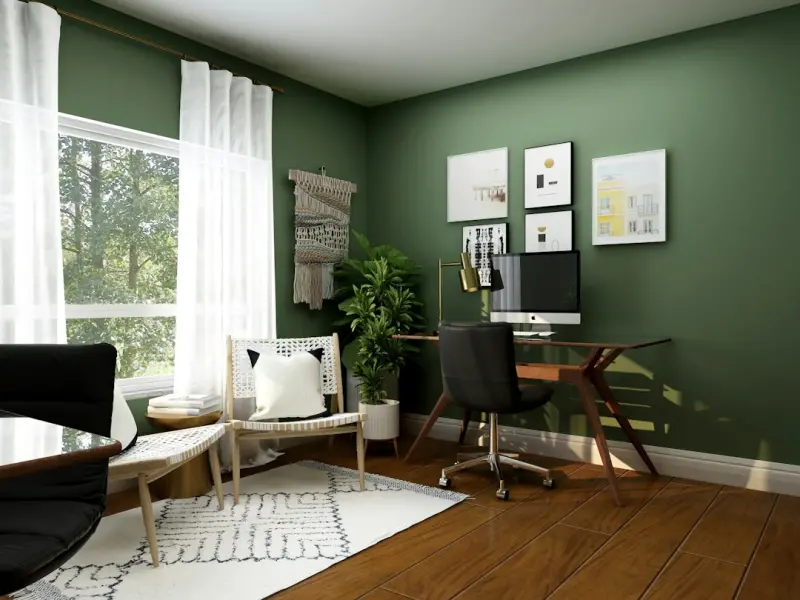
The Remote Work Paradox: When Home Offices Fuel Sleep Apnea
This post uncovers why home office setups often aggravate sleep apnea, offers data‑driven warning ... Read More

When Breath Becomes a Bottleneck: How Sleep Apnea Sabotages Executive Decision‑Making
Untreated sleep apnea silently undermines the brain’s executive functions, affecting focus, risk a... Read More
Top Posts

Redefining Men’s Health: A Holistic Guide for Modern Guys
A candid, holistic roadmap for men—covering stress, nutrition, sleep, movement, and community—to build lasting strength, mental clarity, and vibrant health....Read More

Rewriting the Autoimmune Narrative: Everyday Strategies for Resilience and Renewal
Learn how to turn your autoimmune diagnosis into a dynamic story of empowerment with practical tips on environment, nutrition, gentle movement, sleep hygiene, e...Read More

Rethinking Vaping: The Quiet Ritual That Shapes Identity and Belonging
Vaping is more than a nicotine habit; it’s a subtle choreography that signals identity, fosters social bonds, and can be turned into a mindful practice for he...Read More

Finding New Energy: How Seniors Can Thrive Through Community Gardening
Explore the holistic benefits of community gardening for seniors—improved mobility, sharper cognition, and richer social ties—all through the simple act of ...Read More
0 Comments
Post Comment
You will need to Login or Register to comment on this post!