
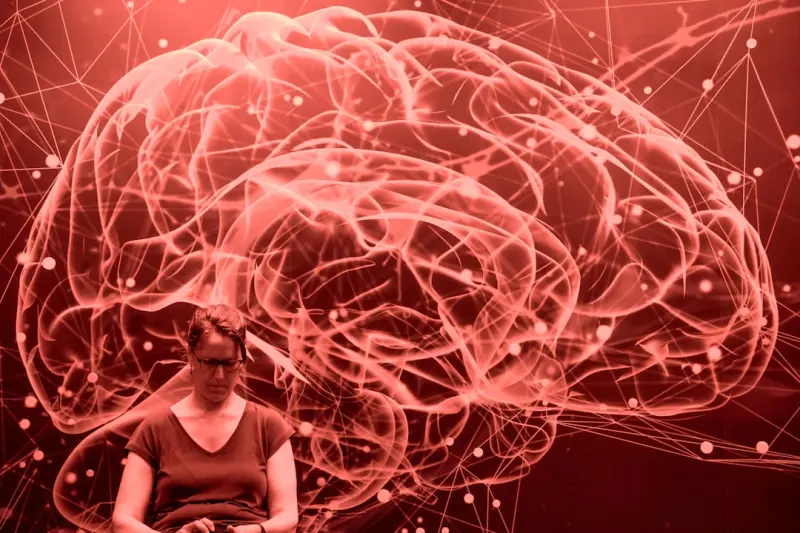
Finding the Beat Inside Your Head
Ever since I first tapped a spoon against a coffee mug during a late‑night brainstorming session, I’ve been fascinated by how rhythm can coax a foggy mind into clarity; that simple act sparked a personal experiment that has now become the backbone of my brain‑health routine. I quickly learned that the steady pulse of a drum, even an imagined one, sends rhythmic signals through the auditory cortex, which then ripple across the prefrontal regions responsible for focus and decision‑making, creating a cascade of neuroplasticity that feels like a mental warm‑up. In the weeks that followed, I noticed that intentional beats not only sharpened my concentration but also eased the anxiety that usually flares when deadlines loom, proving that rhythm is more than background noise—it’s a catalyst for cognitive resilience.
Science backs up this anecdotal evidence: researchers have mapped the brain’s response to rhythmic entrainment, showing that regular exposure to a consistent tempo can strengthen synaptic connections between the auditory and motor networks, effectively rewiring pathways that support attention and working memory. When the brain locks onto a beat, it synchronizes neuronal firing patterns, a process known as phase‑locking, which boosts the efficiency of information transfer across distant regions. This synchronization is especially powerful in the hippocampus, the seat of memory formation, where rhythmic cues can enhance long‑term potentiation, the cellular foundation of learning.
Putting theory into practice is easier than you might think; I start each morning with a ten‑minute “beat‑break” where I tap my fingertips on the desk in a 4‑2‑3 pattern while inhaling for four counts and exhaling for three, creating a gentle, self‑generated metronome that steadies my heart and mind. The routine not only primes my brain for the day’s challenges but also serves as a micro‑habit that compounds over time, much like the small daily choices highlighted in Micro‑Habits for a Thriving Liver, turning a fleeting moment into lasting neural benefit. Over months, I’ve watched my ability to stay present improve dramatically, and the simple act of tapping has become a portable tool I can deploy anywhere—from a crowded subway to a quiet office cubicle.
Melody, Memory, and Mood
While rhythm lays the groundwork, melody adds a lyrical layer that engages the brain’s emotional circuits, weaving together memory and mood in a way that pure beats alone cannot achieve. Listening to a familiar song activates the nucleus accumbens, releasing dopamine and creating a rewarding feedback loop that makes learning feel pleasurable, which is why I often pair study sessions with instrumental versions of songs that hold personal significance. The lyrical content, even when absent, carries patterns of pitch and harmony that the brain decodes, prompting the temporal lobes to replay associated experiences, effectively turning a playlist into a portable memory vault.
One powerful technique I’ve adopted is the “song‑anchor” method: I select a distinct melody for each category of information I need to remember—say, a catchy chorus for grocery lists and a soothing piano piece for project milestones—and then mentally rehearse the material while the tune plays. This auditory cue creates a strong associative link, allowing me to retrieve details with a simple mental hum, much like a mental shortcut that bypasses the effort‑ful search of traditional rote memorization. Over time, the brain begins to anticipate the information whenever the melody resurfaces, reinforcing the synaptic pathways involved in recall.
Beyond memory, melody serves as an emotional regulator; a study in the Journal of Neuroscience showed that exposure to consonant music reduces activity in the amygdala, the brain’s fear center, while boosting connectivity in the ventromedial prefrontal cortex, a region linked to emotional balance. In practice, I curate three mood‑specific playlists—uplifting beats for exercise, mellow tones for focused work, and ambient soundscapes for winding down—allowing my brain to transition smoothly between states without the need for external stressors. This intentional use of music mirrors the principles outlined in Digital Boundaries, where setting clear auditory cues can serve as a boundary that protects mental clarity.
Everyday Practices for a Musical Brain
Integrating music into daily life doesn’t require expensive equipment or formal training; even the simplest adjustments can amplify brain health outcomes when applied consistently. I’ve turned my kitchen into a “sound kitchen” by placing a Bluetooth speaker near the prep area, where I play rhythmic folk tunes while chopping vegetables—this not only makes the task more enjoyable but also sustains a low‑level auditory stimulus that keeps my prefrontal cortex engaged, turning a routine chore into a subtle cognitive workout. Additionally, I schedule “musical breaks” mid‑afternoon, stepping away from the desk to sway gently to a favorite song, a movement that couples auditory and kinesthetic input, further reinforcing neural pathways.
Community music experiences provide another layer of benefit, as shared rhythmic activities stimulate the brain’s social circuitry, enhancing feelings of belonging and reducing stress. Whether it’s joining a neighborhood drumming circle or participating in a virtual choir, the collective pulse creates a sense of unity that mirrors the findings from The Heart‑Boosting Power of Social Connection for Men, where synchronized activity fosters both cardiovascular and neural health. In my own life, a weekly online jam session with friends has become a ritual that not only sharpens my listening skills but also triggers the release of oxytocin, reinforcing the brain’s reward system and bolstering resilience against burnout.
Finally, technology can act as a supportive ally when used mindfully; there are apps that generate binaural beats calibrated to specific brainwave frequencies, offering a low‑effort way to nudge the brain into states of deep focus or relaxation. I set a timer for a 15‑minute session of theta‑frequency beats before bedtime, allowing my brain to transition smoothly into restorative sleep, a critical period for memory consolidation and synaptic pruning. However, I remain cautious about over‑reliance on digital soundscapes, ensuring that live, acoustic experiences remain the core of my practice to preserve the rich, multimodal stimulation that only real instruments can provide. By weaving rhythm, melody, and community into the fabric of everyday life, we can cultivate a brain that not only works harder but also feels more alive.

Brandy Miller is a dynamic freelance writer based in the vibrant city of Cambridge, Ontario. With a passion for storytelling that knows no bounds, she crafts compelling narratives that captivate and inspire. Brandy’s love for writing shines through in her versatile work, whether she’s penning thought-provoking articles or engaging content that resonates with readers. Her unique perspective and friendly tone make her a sought-after voice in the writing community. When she’s not weaving words together, you can find her exploring the beautiful landscapes of Ontario, always seeking new adventures and inspiration for her next piece. Brandy is not just a writer; she’s a creative force, making her mark one word at a time.
Related Posts
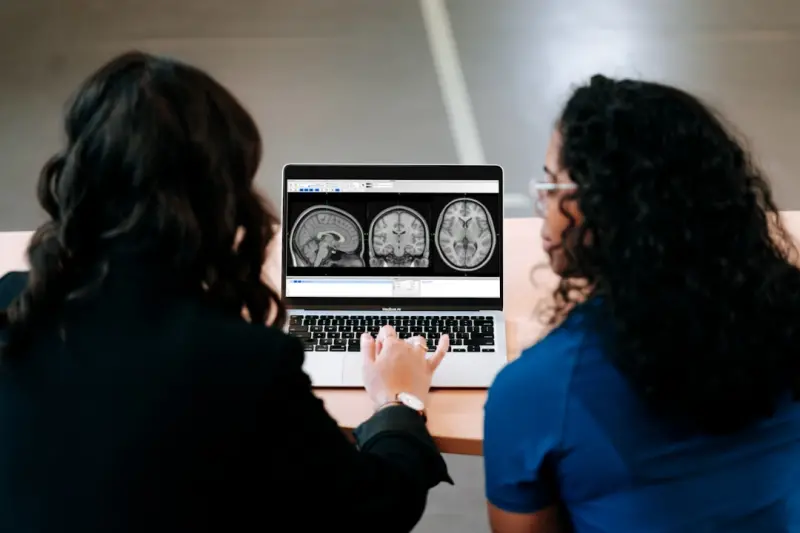
Rewire Your Brain with Structured Downtime
Learn why purposeful pauses are essential for brain health, how to design a downtime routine, and th... Read More

Curiosity, Learning, and Connection: A Fresh Blueprint for Brain Vitality
Explore a new brain‑health strategy that combines daily curiosity, lifelong learning, social inter... Read More

Cognitive Cross‑Training: Why Your Brain Needs a Workout Routine
Learn to treat your brain like a muscle with a weekly cross‑training plan that mixes skill‑switc... Read More
Top Posts

The Hidden Truth About Sleep Apnea: A Holistic Approach to Diagnosis and Treatment
Sleep apnea is a serious sleep disorder that affects millions of people worldwide. Learn how a holistic approach to diagnosis and treatment can help alleviate s...Read More
Playful Movement: The Secret Brain Booster Every Professional Needs
A fresh take on exercise shows that short, playful movement sessions can rewire the brain for greater creativity and focus, offering a practical, low‑time‑c...Read More

When Light Meets Cells: A Fresh Look at Cancer
This article reveals how ambient light and our internal clocks influence cancer development, offering practical habits, nutrition tips, and emerging therapies t...Read More
Playful Physiotherapy: Turning Recovery into a Game
Explore the power of playful movement in physiotherapy—learn why games, storytelling, and simple props can accelerate recovery and keep patients motivated....Read More
0 Comments
Post Comment
You will need to Login or Register to comment on this post!