
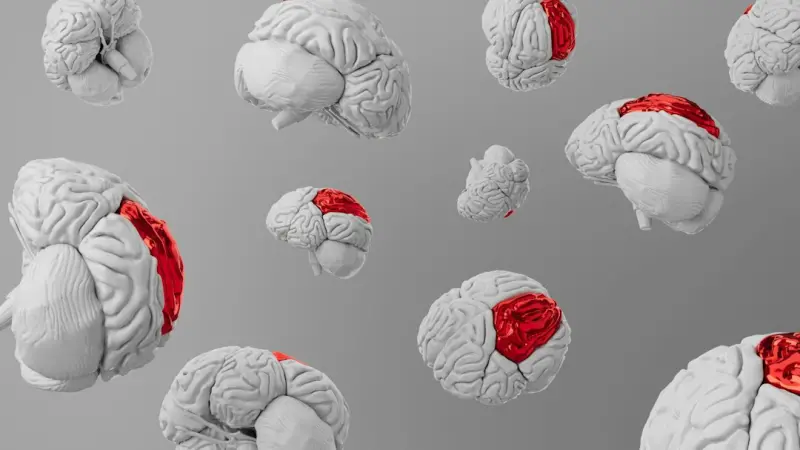
Why Playful Movement Is the Missing Link Between Desk‑Job Fatigue and Creative Breakthroughs
When I first swapped my evening jog for a quick game of “shadow boxing” in my living room, I wasn’t looking for a fitness miracle. I was simply trying to shake off the mental fog that accumulates after eight hours of staring at a spreadsheet. What happened next surprised me: my brain felt sharper, my ideas flowed more freely, and even the dreaded “post‑lunch slump” began to lose its grip. This wasn’t a coincidence—it was a signal that my body had been begging for a different kind of exercise, one that talks to the mind as loudly as it talks to the muscles.
Traditional fitness advice—run a mile, lift a weight, hold a plank—focuses on measurable outputs: distance, load, time. Those metrics are invaluable for athletes, but they often miss a subtler, equally important outcome: the way movement reshapes neural pathways, mood states, and problem‑solving capacity. In the fast‑paced world of knowledge work, where ideas are currency and mental stamina is the true competitive advantage, the quality of movement matters just as much as the quantity.
From “Exercise” to “Exploration”: Redefining the Goal
Think of exercise not as a checklist item (run 3 km, do 30 push‑ups) but as an exploratory play session. When children run, they don’t count steps—they test limits, discover textures, and improvise routes. Adults can reap the same benefits by turning routine movement into a mini‑experiment:
- Change the environment. Swap the treadmill for a hallway sprint, a stairwell for a rapid “step‑up” dance, or a conference room for a brief yoga flow.
- Vary the pattern. Instead of a steady jog, try interval bursts of 20‑second sprints followed by 40 seconds of lateral shuffles.
- Introduce a cognitive twist. Recite a mantra, solve a quick mental puzzle, or visualize a work challenge while you move.
These seemingly minor tweaks create a “movement‑cognition feedback loop.” Your brain registers novelty, which triggers dopamine release and, in turn, boosts the brain‑derived neurotrophic factor (BDNF) that fuels neural plasticity. The result? A more adaptable mind ready to tackle complex problems.
The Science Behind Playful Motion
Research on “embodied cognition” demonstrates that our bodies and brains are in constant dialogue. When we move, proprioceptive signals travel up the spinal cord, activating the motor cortex and, crucially, the prefrontal cortex—the hub for decision‑making and creativity. A recent study showed that a 10‑minute session of unpredictable, rhythmic movement increased divergent thinking scores by 15 % compared to a static control group.
Neural activation isn’t limited to the motor areas. Neural‑First Muscle Gain taught us that rewiring the nervous system can supercharge physical results. The same principle applies in reverse: by intentionally stimulating the nervous system with varied movement patterns, we can “rewire” the brain for heightened creativity. The key is variation. Predictable exercise leads to habituation; unpredictable, playful movement keeps the brain on its toes.
Three Playful Movement Protocols You Can Deploy Today
1. “Idea Sprint” Intervals
Set a timer for 5 minutes. For the first 30 seconds, sprint in place or perform high‑knee runs. As you move, mentally list three challenges you’re facing at work. During the 30‑second recovery, switch to a low‑intensity activity—marching or gentle side‑steps—while you brainstorm a possible solution for each challenge. Repeat the cycle four times.
Why it works:
- Physiological arousal spikes during the sprint, increasing norepinephrine, which sharpens focus.
- Recovery periods give the prefrontal cortex a breather to synthesize ideas.
- The alternating rhythm mimics the natural ebb and flow of deep work, training your brain to transition smoothly between high‑intensity focus and reflective thinking.
2. “Spatial Shuffle” Brain Gym
Clear a small area—your office hallway or a living‑room corner—and place three objects: a soft ball, a lightweight kettlebell, and a yoga block. Perform a sequence:
- Throw the ball against a wall and catch it with the opposite hand.
- Lift the kettlebell overhead while rotating your torso 90 degrees left, then right.
- Step onto the yoga block, hold for 10 seconds, then switch feet.
Repeat the circuit three times, focusing on the sensation of each movement. This protocol forces cross‑hemispheric communication (right‑hand to left‑hand, left‑side to right‑side), a process linked to creative breakthroughs. The tactile feedback also grounds you, reducing mental noise.
3. “Breath‑Sync Flow” Integration
Combine breath awareness with gentle movement. Begin in a standing position, inhale while raising your arms overhead, exhale as you fold forward. Inhale into a half‑lift, exhale into a forward fold again. Add a lateral stretch on each inhale, and a gentle twist on each exhale. Perform for 3 minutes, then sit quietly for 1 minute, observing any emerging thoughts.
This practice dovetails with the principles outlined in Breath, Light & Posture: Blood Pressure Strategy for Modern Professionals. While that article emphasizes cardiovascular benefits, the same breath‑movement synergy also calms the autonomic nervous system, creating a fertile ground for insight to surface.
Embedding Playful Movement Into a Busy Workday
Many professionals think “I don’t have time for extra workouts.” The beauty of playful movement is its modularity—you can sprinkle micro‑sessions throughout the day without disrupting workflow.
- Morning kickoff. Before opening your laptop, perform a 2‑minute “shadow‑boxing” routine. The kinetic energy primes your brain for the day’s challenges.
- Mid‑morning micro‑break. Stand, walk to the restroom, and do a quick “spatial shuffle” on the way back. This break interrupts monotony and refreshes focus.
- Post‑lunch reset. Engage in a 3‑minute “breath‑sync flow” to counteract the typical dip in alertness.
- Afternoon wrap‑up. End the day with an “idea sprint” to translate lingering thoughts into concrete action items.
Because each micro‑session lasts under five minutes, you can slot them between meetings, after a conference call, or during a coffee break. The cumulative effect over a week is comparable to a 30‑minute conventional workout, but with the added bonus of mental sharpening.
Measuring Success Beyond the Scale
Traditional fitness tracking focuses on steps, heart rate, and calories. When your goal is cognitive elevation, you need a different set of metrics:
- Idea throughput. Count the number of new concepts generated during a brainstorming session before and after incorporating playful movement.
- Focus duration. Use a pomodoro timer and note how many cycles you can sustain without distraction.
- Stress resilience. Track self‑reported stress levels on a 1‑10 scale before and after a day that includes movement play.
- Creative confidence. Rate your confidence in solving complex problems on a weekly basis.
These subjective and objective markers give you a holistic view of how movement is influencing your professional performance.
Potential Pitfalls and How to Avoid Them
While playful movement is a low‑risk intervention, a few missteps can dilute its benefits:
- Over‑structuring. If you script every second, you lose the element of novelty. Keep the core pattern simple and allow for improvisation.
- Neglecting safety. Even short bursts can strain muscles if performed with poor form. Warm up with gentle joint rotations before diving in.
- Ignoring individual differences. Some people respond better to rhythmic activities; others prefer explosive bursts. Experiment to discover what feels most energizing for you.
Remember, the goal is to stimulate—not to exhaust.
Scaling Up: From Individual Practice to Team Culture
Organizations can amplify the impact of playful movement by embedding it into team rituals. Imagine a weekly “Movement Huddle” where a 5‑minute play session precedes the agenda. Not only does this break the monotony of virtual meetings, but it also aligns the group’s physiological state, fostering a shared sense of alertness and creativity.
Leaders can champion the practice by modeling it themselves, sharing personal anecdotes (like the shadow‑boxing story at the start of this article), and celebrating moments where a sudden insight was directly linked to a movement break. Over time, the office culture evolves from “static desk‑bound” to “kinetic collaborative,” a shift that can translate into measurable improvements in innovation pipelines.
Conclusion: Make Movement Your Brain’s Secret Weapon
Exercise isn’t just about building muscle or burning calories; it’s a conduit for neuro‑chemical cascades that shape how we think, solve problems, and adapt to change. By treating movement as a playful, exploratory tool, you unlock a hidden reservoir of cognitive flexibility that traditional workouts rarely tap.
Start small—pick one of the three protocols above, integrate it into a single day, and observe the ripple effect on your focus and creativity. As you refine the practice, you’ll find that the line between “working out” and “working out ideas” becomes delightfully blurry. In a world that prizes mental agility as much as physical stamina, playful movement might just be the competitive edge you’ve been overlooking.

Lifan Chen is a freelancer based in Toronto specializing in marketing. With expertise in crafting effective marketing strategies and campaigns, Lifan helps businesses grow their brand presence and reach target audiences. As a Toronto-based freelancer, Lifan combines local market insights with creative marketing skills to deliver tailored solutions for clients.
Related Posts

Unlocking Creative Flow: How Exercise Fuels Business Innovation
A deep dive into how integrating purposeful exercise into daily routines can spark fresh ideas, shar... Read More
Unscripted Movement: Turning Everyday Moments into Powerful Workouts
Learn to transform ordinary moments—stairs, benches, city streets—into high‑intensity “movem... Read More

Design Your Own Home Exercise Playground: Turn Everyday Spaces Into Fitness Zones
Learn to convert everyday household items and spaces into a versatile exercise playground, making mo... Read More
Top Posts

From Bars to Balance: My Holistic Blueprint for Sustainable Muscle Gain
Lifan Chen shares a comprehensive, science‑backed plan that integrates nutrition, mindful training, optimal recovery, and mental resilience to achieve sustain...Read More
Microbiome Mastery: How Your Gut Holds the Key to Longevity
A deep dive into how the gut microbiome influences aging, with practical dietary, lifestyle, and stress‑management strategies to boost microbial diversity and...Read More
Mastering Blood Pressure: A Holistic Guide for 2026
A personal, holistic roadmap for 2026 that blends nutrition, exercise, mindfulness, and community to sustainably manage blood pressure and boost overall vitalit...Read More

Reclaiming Your Night: How a Simple Bedtime Routine Can Supercharge Immunity
A practical, 7‑step bedtime blueprint shows how dimming lights, breath work, oral care, and consistent sleep timing can transform your night into a powerful i...Read More
0 Comments
Post Comment
You will need to Login or Register to comment on this post!