
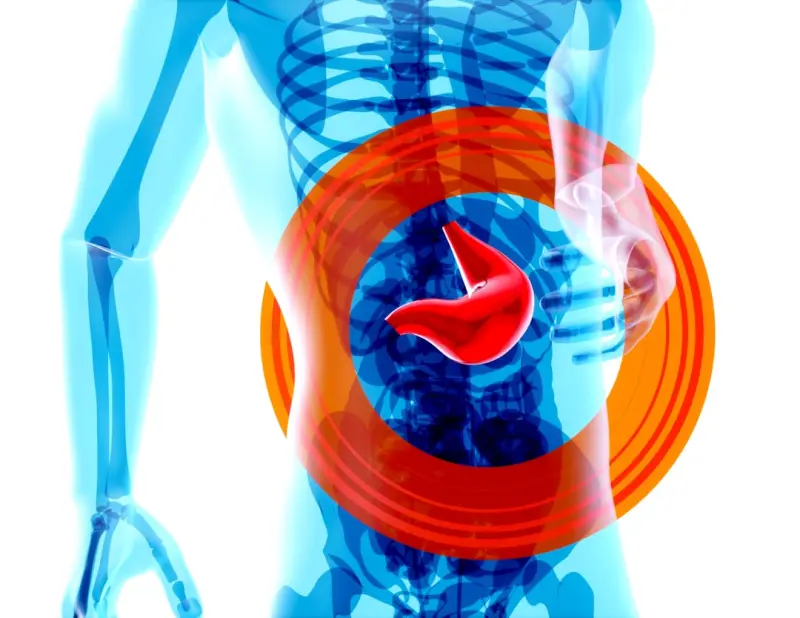
Why Small Choices Matter for Liver Function
When you think about liver health, the mind often jumps to dramatic interventions like cleanses or prescription‑grade supplements, but the real engine of resilience lives in the incremental choices we repeat daily; each sip, each bite, each breath nudges the organ toward a stronger, more efficient state, and those micro‑shifts compound over weeks and months into a noticeable difference in energy, mood, and metabolic balance. Micro‑habits are the hidden levers that keep the liver’s detox pathways, protein synthesis, and bile production humming at optimal speed without the shock of extreme dieting or fasting, and they are far easier to sustain because they integrate seamlessly with the rhythm of modern life. By reframing liver care as a series of bite‑sized, enjoyable adjustments rather than a punitive regimen, you empower yourself to stick with the plan long enough for the liver’s regenerative capacity to shine.
Morning Hydration Rituals
Starting the day with a purposeful glass of warm water infused with a splash of fresh citrus not only awakens the digestive tract, it also primes the hepatocytes for efficient toxin processing by delivering a flood of antioxidants that assist the glutathione cycle, a critical detox pathway that many people overlook in favor of flashy supplements. The subtle temperature shift from cold to warm stimulates the vagus nerve, sending a calming signal to the liver that encourages the release of bile, which in turn improves fat digestion and reduces the burden of metabolic waste that would otherwise accumulate. Making this simple, enjoyable habit a non‑negotiable part of your sunrise routine sets the tone for a day where the liver operates with a clear, energized purpose.
Targeted Food Pairings for Hepatic Support
Combining foods that complement each other's nutrient profiles can magnify their liver‑protective properties; for example, pairing cruciferous vegetables like broccoli or kale with a source of healthy fat such as avocado or olive oil unlocks the fat‑soluble compound sulforaphane, which has been shown to up‑regulate detox enzymes and reduce oxidative stress in hepatocytes. Similarly, a modest handful of nuts or seeds alongside a serving of berries supplies both omega‑3 fatty acids and polyphenols that act synergistically to modulate inflammation and stabilize cell membranes, creating a fortified environment where the liver can focus on its core metabolic responsibilities. By thoughtfully constructing meals around these pairings, you turn each bite into a strategic support system rather than a passive source of calories.
Movement Micropatterns That Activate Detox Pathways
Full‑body workouts are valuable, but scattered, low‑intensity movements—like a series of 30‑second torso twists, calf raises, or gentle squat‑to‑stand flows performed every hour—can keep the blood circulating and encourage the liver to expel waste more efficiently, because regular muscle contractions stimulate the lymphatic system, which works hand‑in‑hand with hepatic filtration to clear metabolic by‑products. The key is consistency rather than intensity; short bursts of activity trigger the release of nitric oxide, a molecule that dilates blood vessels and improves hepatic perfusion, allowing oxygen‑rich blood to supply the organ with the resources it needs for optimal function. Incorporating a few of these micro‑movement moments into a sedentary workday can be as beneficial as a traditional gym session when the goal is liver vitality.
Thermal Stress: The Gentle Power of Cold Exposure
Brief exposure to cold—whether through a splash of icy water on the face, a 2‑minute cold shower, or a short sit in a chilled bath—activates a cascade of hormonal and vascular responses that have been linked to improved liver enzyme profiles, as the body shifts toward increased mitochondrial efficiency and a heightened anti‑inflammatory state. The physiological stress of cold triggers the release of norepinephrine, which not only sharpens mental focus but also promotes the mobilization of stored fatty acids, providing the liver with a cleaner fuel source and reducing the need for de‑novo lipogenesis, a process that can burden the organ over time. For a practical guide to safely incorporate this habit, explore the cold exposure benefits article that breaks down timing, temperature, and progression tips.
Mindful Breathing and the Vagus Nerve Connection
Deliberate, diaphragmatic breathing—taking slow, deep inhales through the nose followed by a relaxed exhale—stimulates the vagus nerve, a critical conduit between the brain and the liver that modulates inflammatory signaling and directly influences bile flow, creating a quiet internal environment where the organ can perform detox tasks without the distraction of chronic stress hormones. This simple practice, when performed for just five minutes after meals, can lower cortisol levels, which in turn reduces the liver’s production of glucose via gluconeogenesis, helping to maintain steadier blood‑sugar levels and preventing the metabolic overload that can lead to fatty liver disease. Embedding a short breathing session into your daily schedule is a low‑effort, high‑reward micro‑habit that supports hepatic harmony.
Optimizing Sleep Architecture for Regeneration
During deep, non‑REM sleep, the liver shifts into a reparative mode, ramping up the synthesis of proteins essential for cellular renewal and intensifying the breakdown of accumulated toxins; therefore, ensuring a consistent sleep window—ideally 7 to 9 hours of uninterrupted rest—provides the organ with the time it needs to execute these restorative processes without interference from circadian disruptions. Simple adjustments like dimming lights an hour before bedtime, limiting caffeine after midday, and keeping bedroom temperatures around 65°F create an environment conducive to the natural rise of growth hormone, which further supports liver tissue regeneration and the clearance of oxidative by‑products. By treating sleep as a non‑negotiable component of your liver‑care routine, you tap into a naturally powerful healing mechanism.
Strategic Supplement Stacking, Not Over‑Loading
While the supplement aisle offers a bewildering array of liver‑focused products, the most effective approach is to select a few evidence‑based compounds—such as milk thistle’s silymarin, N‑acetylcysteine for glutathione boosting, and a high‑quality curcumin complex for anti‑inflammatory action—and combine them in a manner that respects the body’s absorption limits, thereby avoiding the diminishing returns associated with megadoses. Stacking these nutrients at different times of the day—milk thistle with breakfast, NAC in the early afternoon, and curcumin with dinner—leverages the liver’s own rhythmic enzyme activity, ensuring that each supplement works synergistically rather than competing for the same metabolic pathways. This disciplined, targeted strategy outperforms a scatter‑gun approach and keeps your budget, and your organ, happy.
Tracking Progress Without Obsession
Rather than fixating on weekly weight scales or invasive blood panels, adopt a set of simple, observable markers that reflect liver health: increased energy after meals, a clearer complexion, and a more stable mood during the afternoon slump are all practical indicators that the organ is processing nutrients efficiently and eliminating waste effectively. Keeping a brief daily log that notes these subjective metrics alongside a single, objective measure like a monthly fasting insulin or ALT level provides enough data to confirm progress while preventing the anxiety that can arise from over‑monitoring. This balanced feedback loop reinforces the positive micro‑habits you’ve built and keeps motivation high without turning liver care into a source of stress.
Putting It All Together: A 30‑Day Micro‑Habit Blueprint
To transform these insights into a sustainable routine, commit to a thirty‑day schedule where you integrate one micro‑habit per week—starting with the morning water ritual, then adding targeted food pairings, followed by movement bursts, brief cold exposure, mindful breathing, optimized sleep, strategic supplementation, and finally a weekly check‑in using the simple tracking method outlined above—allowing each habit to embed before the next one is introduced, which maximizes adherence and reduces overwhelm. By the end of the cycle, you’ll have a personalized, evidence‑based framework that supports liver function from multiple angles, and the cumulative effect will be a liver that feels more vibrant, efficient, and resilient. For a deeper dive into the science behind the gut‑liver partnership that underpins many of these practices, consult the gut‑liver connection guide to round out your knowledge and fine‑tune your plan.

Brody Lambert is an emerging freelance writer whose fresh voice and thoughtful approach are quickly making their mark. As a fairly new entrant in the world of freelance writing, Brody brings a blend of curiosity and dedication that fuels every project, crafting stories and content that resonate with authenticity and clarity.
Related Posts
Nurturing Your Liver Through the Gut‑Liver Axis: A Personal Journey
Learn a personal, gut‑focused approach to liver health, featuring fermented foods, herbs, toxin re... Read More

Why Your Liver Deserves a Front‑Row Seat in Your Wellness Routine
A practical guide that shifts the liver from background organ to wellness priority, offering nutriti... Read More

Seasonal Strategies to Supercharge Your Liver’s Vitality
Learn practical, season‑specific nutrition and lifestyle tips that align your diet, movement, and ... Read More
Top Posts

Sunlit Detox: Leveraging Light, Cold, and Breath to Reset Your Body
Discover how aligning with sunrise light, brief cold shocks, and diaphragmatic breathing creates a synergistic detox routine that enhances liver function, lymph...Read More

Health Insurance in 2024: Why Holistic Coverage Is the New Must‑Have
Health insurance is evolving beyond basic medical visits. Discover why holistic coverage, mental‑health parity, and preventive services are essential in 2024,...Read More

The Clockwork of Calm: Re‑Engineering Your Evening to Defeat Insomnia
A step‑by‑step guide to designing a personalized evening routine that aligns light, temperature, movement, and sound, helping the body’s internal clock si...Read More

The Power of Structured Day‑Offs for Mental Clarity
A structured day‑off is a deliberate, boundary‑rich break that resets the brain, boosts resilience, and fuels productivity—turning downtime into a strateg...Read More
0 Comments
Post Comment
You will need to Login or Register to comment on this post!