
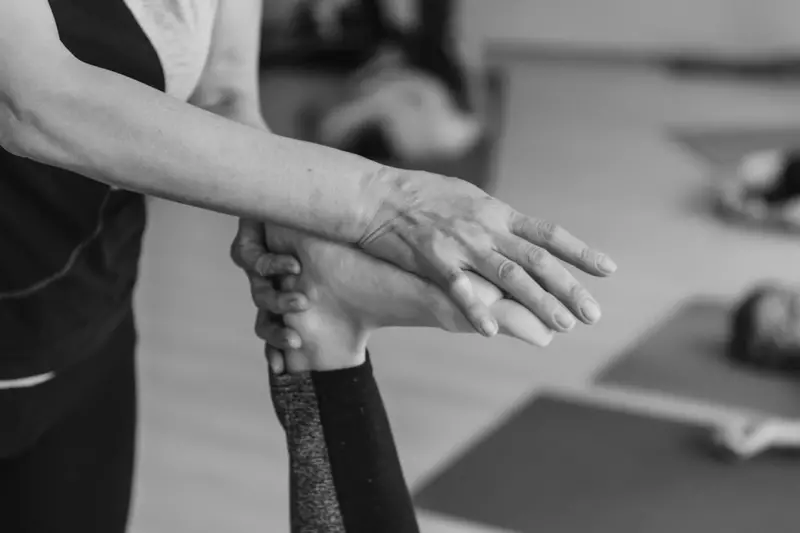
Why Playful Movement Is the Missing Piece in Modern Physiotherapy
When I first stepped into a clinic, the room felt like a sterile lab, not a place where joy could thrive. Over the years, I’ve watched patients shrink under the weight of repetitive drills, their motivation evaporating before true healing could begin. Injecting playful elements into therapy sessions flips that script, turning the dreaded “exercise regimen” into a game where progress feels rewarding rather than punitive. This shift isn’t just about fun—it taps into neuro‑plastic pathways that accelerate recovery, especially for those battling chronic pain or post‑surgical setbacks.
The Science Behind Gamified Rehab
Neuroscientists tell us that the brain lights up when we encounter novelty, challenge, and immediate feedback—all hallmarks of well‑designed games. By embedding these cues into physiotherapy, therapists create a feedback loop that releases dopamine, reinforcing movement patterns and reducing the perception of effort. Studies show that patients who engage with gamified platforms report 30 % faster improvements in range of motion compared to traditional protocols. The key is to balance the fun factor with therapeutic intent, ensuring each “level up” translates to real‑world functional gains.
Choosing the Right Tools: From Simple Props to High‑Tech Platforms
Not every clinic needs a pricey virtual‑reality headset to make therapy playful. Simple tools—like coloured foam blocks, resistance bands with bright patterns, or even a set of juggling balls—can transform a mundane routine into a dynamic challenge. For tech‑savvy practitioners, motion‑capture systems and mobile apps provide real‑time data, letting patients see their scores, compete with themselves, or even join a friendly leaderboard. The beauty lies in scalability: a single nature‑driven strategy for vibrant healthy aging can be adapted for a child learning to crawl or an athlete rehabbing an ACL tear.
Designing a Play‑First Assessment
Traditional assessments often feel like an interrogation, with clinicians asking patients to perform isolated movements while the therapist watches. A play‑first approach flips that narrative: start with a game that naturally elicits the movement patterns you need to evaluate. For example, ask a patient to “catch” virtual falling objects by reaching overhead, then observe shoulder mechanics and spinal alignment. This not only gathers the necessary data but also reduces anxiety, giving a more authentic picture of functional ability.
Integrating Storytelling to Boost Engagement
Humans are wired for stories. When a therapist frames a session as a quest—“recover the treasure of pain‑free walking” or “navigate the obstacle course of daily chores”—patients adopt a hero mindset. This narrative scaffolding encourages perseverance, especially during the inevitable plateaus. Moreover, storytelling aligns with the mind‑muscle connection we’ve long championed, because visualizing success enhances motor recruitment and improves outcomes.
Overcoming Common Barriers to Playful Rehab
Many clinicians worry that gamification dilutes clinical rigor, while patients sometimes fear looking “silly.” Address these concerns head‑on by establishing clear therapeutic objectives before the fun begins. Explain how each game element maps to a specific functional goal, and provide tangible metrics—such as improved gait speed or reduced joint swelling. When patients see the data, the playfulness becomes a credible, evidence‑based strategy rather than a frivolous distraction.
Case Study: From Couch‑Bound to Marathon Ready
One of my most memorable clients was a middle‑aged office worker who’d been sidelined by a rotator‑cuff injury. Traditional stretches left him frustrated, and his confidence plummeted. We introduced a “virtual garden” game where he tended to blooming flowers by performing scapular retractions and external rotations. Within six weeks, his pain scores dropped by 50 %, and he progressed to a real‑world gardening routine—eventually training for a 5K run. This transformation underscores how playful rehab can reignite both body and spirit.
Bridging Home Therapy and Clinical Sessions
Consistency is the holy grail of physiotherapy, yet adherence drops once patients leave the clinic. By prescribing a home‑based game—whether a smartphone app that rewards daily movement streaks or a DIY obstacle course using household items—therapists extend the therapeutic environment beyond the treatment room. The continuity of playful cues keeps the brain engaged, turning “exercise” into a habit that sticks. Pair this with periodic check‑ins, and you’ll see adherence rates climb dramatically.
Looking Ahead: The Future of Play in Physiotherapy
As wearable tech becomes more affordable, we’ll see an explosion of personalized, data‑rich games that adapt in real time to a patient’s performance. Imagine a system that detects subtle changes in gait, adjusts the difficulty of a virtual obstacle, and sends instant feedback to both therapist and patient. This synergy of unlocking hidden levers for a longer, fuller life and playful design promises a new era where recovery feels less like a chore and more like an adventure.

Tammy French is a Montessori Teaching Assistant and freelance writer passionate about education, creativity, and inspiring lifelong learning through engaging content.
Related Posts
Movement as Medicine: Redesigning Physiotherapy for Hybrid Workplaces
Discover a fresh approach to physiotherapy that fits the hybrid work lifestyle, using micro‑moveme... Read More

Micro‑Movement Mastery: Turning Everyday Actions into a Physiotherapy Power‑Up
Discover how integrating micro‑movements into everyday actions—like reaching for a coffee mug or... Read More
AI‑Powered Physiotherapy: Tailoring Treatment to Your Body’s Signals
AI‑powered physiotherapy blends wearable sensors, real‑time analytics, and therapist expertise t... Read More
Top Posts

Why Men’s Health Needs a Holistic Overhaul in 2024
A new era for men’s health: blend functional training, gut‑smart nutrition, restorative sleep, and mindful resilience to build lasting strength and well‑b...Read More

Why Light, Purpose, and Gentle Motion Matter More Than You Think for a Longer Life
Learn why natural daylight, a clear sense of purpose, and low‑intensity movement are the three pillars that together create a powerful longevity strategy, and...Read More

The Hidden Science of Muscle Memory: Building Bigger, Faster
Learn the science behind muscle memory and how to harness neuro‑muscular recruitment, metabolic stress, and strategic recovery to boost hypertrophy faster tha...Read More

Quiet Zones: How Your Environment Can Naturally Lower Blood Pressure
Explore how simple adjustments to light, temperature, sound, and everyday technology can create a calming environment that naturally lowers blood pressure, back...Read More
0 Comments
Post Comment
You will need to Login or Register to comment on this post!