

When I first stumbled onto the idea that curiosity could be a daily brain‑boosting ritual, I was skeptical. I’d always thought of curiosity as a fleeting spark—something that happened when a new recipe caught my eye or a mystery novel arrived on my doorstep. Yet the research shows that deliberately nurturing that spark can rewire neural pathways, keeping the brain supple well into the later decades of life. The act of asking “why?” or “how?” engages the prefrontal cortex, the very region responsible for executive function, decision‑making, and problem solving. By turning ordinary moments into mini‑investigations—whether it’s pondering the chemistry of coffee or the geometry of a city skyline—we invite the brain to form fresh connections, a process scientists call neuroplasticity. This isn’t just academic jargon; it’s a practical roadmap for anyone who wants to stay mentally agile while juggling work, family, and the endless to‑do lists that fill our days.
Neuroplasticity, once thought to be a childhood‑only phenomenon, is now recognized as a lifelong capacity. When we expose ourselves to novel stimuli, the brain releases brain‑derived neurotrophic factor (BDNF), a protein that supports the growth of new neurons and synapses. This molecular cascade is the same one activated during aerobic exercise, but the trigger here is intellectual novelty rather than a treadmill. Studies on seniors who learned a new language or took up painting have shown measurable increases in gray matter volume, especially in regions tied to memory and attention. The key is consistency: just as muscles need regular resistance training, the brain thrives on a steady diet of new challenges. By weaving curiosity into daily routines—like exploring a different podcast genre during a commute or swapping a familiar recipe for an unfamiliar cuisine—we can keep those neurochemical pathways humming.
Cultivating Curiosity Daily
One of the simplest ways to spark curiosity is to make questioning a habit. Start meetings or family dinners with an open‑ended prompt: “What’s something you learned this week that surprised you?” This tiny shift transforms routine chatter into a learning exchange, prompting everyone to surface hidden interests. Another tactic is to schedule a “mini‑exploration” hour each week, where you dive into a topic outside your comfort zone—be it astronomy, philosophy, or the mechanics of vintage watches. The goal isn’t mastery; it’s exposure. By treating the world as an ever‑expanding library, you train your brain to stay alert for patterns, gaps, and connections that would otherwise pass unnoticed.
Curiosity also acts as a natural antidote to stress. When we become engrossed in a new hobby or a puzzling question, the brain shifts from the default mode network—where rumination resides—to the task‑positive network, which is associated with focus and reward. This transition lowers cortisol levels and boosts dopamine, the neurotransmitter linked to motivation and pleasure. In practice, that means a quick detour to a local museum or a spontaneous walk through a botanical garden can reset your mental state, leaving you calmer and more receptive to creative thinking. For those who find it hard to break from screens, consider pairing a digital break with nature immersion—even a short stroll among trees can ignite wonder and replenish mental reserves.
Learning as Brain Gym
Think of lifelong learning as a gym for the mind. Just as we lift weights to strengthen muscles, we can “lift” our cognitive muscles by acquiring new skills. Whether it’s picking up a musical instrument, tackling a coding language, or mastering the art of calligraphy, each new competence forces the brain to create fresh neural circuits. This process, known as cognitive reserve, acts like a buffer against age‑related decline, giving the mind extra pathways to draw upon when faced with challenges like memory lapses or slowed processing speed. The beauty of this approach is its flexibility—you don’t need a formal classroom; online tutorials, community workshops, or even YouTube series can serve as effective training modules.
Different learning modalities stimulate distinct brain regions, providing a holistic workout. Language learning, for example, engages the temporal lobes responsible for auditory processing and the hippocampus for memory encoding. Musical practice activates the auditory cortex, motor regions, and even the cerebellum, which coordinates timing and rhythm. Even seemingly mundane activities like cooking a new recipe involve procedural memory, spatial reasoning, and sensory integration. By rotating through a variety of pursuits—perhaps a week of salsa dancing followed by a weekend of watercolor painting—you keep the brain in a state of dynamic equilibrium, preventing any single area from becoming underutilized.
Social Interaction: The Hidden Brain Booster
Human connection is more than an emotional luxury; it’s a neurological necessity. Engaging in meaningful conversation triggers the release of oxytocin, a hormone that enhances trust and reduces anxiety, while simultaneously stimulating the prefrontal cortex through the act of listening, interpreting, and responding. Studies have shown that socially active adults experience slower rates of cognitive decline compared to their more isolated peers. The mechanism? Regular social interaction challenges the brain to process complex verbal cues, manage emotional nuance, and adapt to shifting group dynamics—all of which reinforce executive function and emotional regulation.
Practical ways to weave social enrichment into your schedule include joining a book club, attending a community garden, or even participating in a local trivia night. These settings provide structured opportunities for mental stimulation, as you must recall facts, strategize with teammates, and articulate thoughts under time pressure. If you’re wary of over‑committing, start small: set a goal to have one deep, uninterrupted conversation per week, perhaps over coffee with a neighbor or a video call with a distant friend. To protect the quality of these interactions, consider crafting digital boundaries that minimize distractions and allow you to be fully present.
Physical Movement Meets Mental Growth
While the brain‑boosting benefits of cardio are well‑documented, the subtle influence of everyday micro‑movements on cognition often goes unnoticed. Small, intentional motions—like stretching while reading, pacing during a phone call, or shifting posture during a brainstorming session—activate the body’s proprioceptive system, sending feedback to the brain that enhances spatial awareness and attention. This embodied cognition framework suggests that movement and thought are deeply intertwined; even brief bouts of activity can reset neural circuits, improve mood, and sharpen focus. For a deeper dive into integrating movement into daily life, explore Micro‑Movement Mastery, which offers practical tips for turning idle moments into mini‑workouts for the brain.
Incorporating purposeful movement doesn’t require a gym membership. Try a “walking think‑tank” where you discuss ideas with a colleague while strolling around the block, or set a timer to stand and stretch every hour during long work sessions. These practices not only boost circulation, delivering oxygen and nutrients to neural tissue, but also break the monotony that can lead to mental fatigue. Over time, the habit of pairing thought with motion creates a feedback loop: movement fuels cognition, and heightened cognition makes you more attuned to opportunities for movement, fostering a virtuous cycle of brain health.
Putting It All Together: Your Personalized Brain‑Care Blueprint
Creating a sustainable brain‑health routine is less about drastic overhauls and more about layering small, intentional habits that reinforce each other. Start by selecting one curiosity‑driven activity—perhaps a weekly “question of the day” journal entry—and pair it with a related learning pursuit, like a short online course that expands on that curiosity. Follow each session with a brief social interaction, whether it’s a discussion with a friend or a comment thread in an online community, to cement the new knowledge through dialogue. Finally, weave in micro‑movements: stand, stretch, or take a short walk before transitioning between tasks. By aligning curiosity, learning, connection, and movement, you construct a resilient neural network that can adapt to life’s inevitable stresses.
Remember, brain health is a lifelong expedition, not a destination you reach and then forget about. Celebrate each small win—a new fact you’ve mastered, a conversation that sparked laughter, a stretch that eased tension—and use it as motivation to continue the journey. Over weeks and months, these incremental steps compound, building a robust cognitive reserve that supports memory, creativity, and emotional balance. As you experiment with different strategies, stay attuned to what feels most energizing and rewarding, and let that guide the evolution of your personalized brain‑care plan.

Becky Putman is an Ottawa-based freelance writer and marketing professional with a passion for storytelling, animals, and community involvement. She enjoys creating engaging content that informs, inspires, and connects with readers.
Related Posts
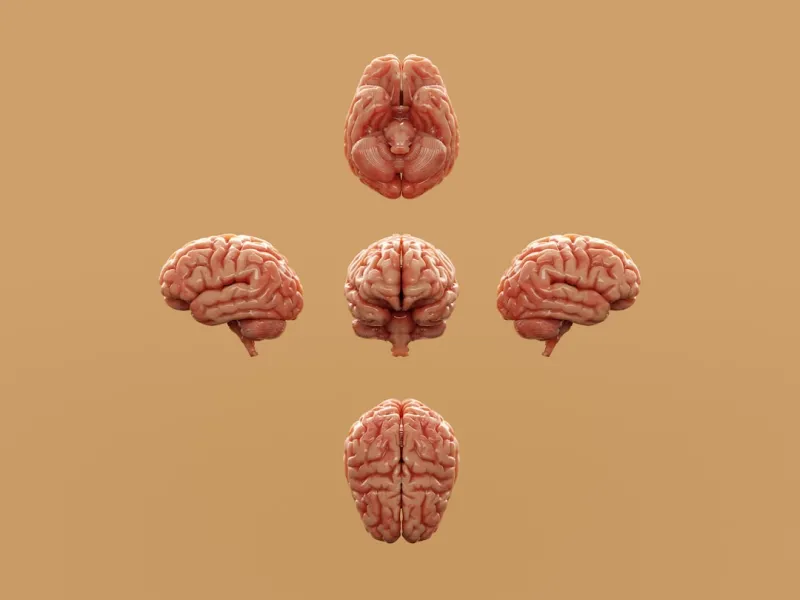
The Impact of Lifestyle on Brain Health: A Holistic Approach
Maintaining optimal brain health requires a holistic approach that considers lifestyle, nutrition, a... Read More
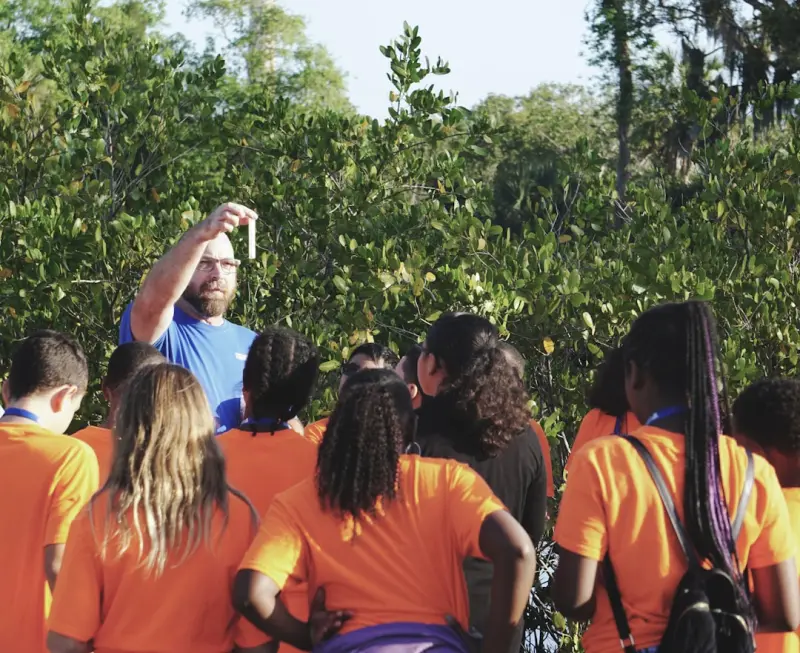
Nature’s Classroom: How Outdoor Immersion Supercharges Your Brain
Explore the science behind forest immersion and learn actionable steps to harness nature’s neuroge... Read More
Brain‑Boosting Digital Minimalism: Reclaiming Focus in a Hyper‑Connected World
A deep dive into practical strategies for reducing screen overload, optimizing tech use, and nurturi... Read More
Top Posts

Why Small Lifestyle Tweaks Can Stop Prediabetes in Its Tracks
Prediabetes feels inevitable, but tiny adjustments to diet, movement, and daily routines can flip the script. Tom shares real‑world tactics that fit busy live...Read More
Health Insurance as a Growth Engine: Turning Benefits into Business Value
Explore how a data‑driven, personalized health‑insurance model can become a competitive advantage, driving employee well‑being, productivity, and measurab...Read More

Living in the Land of Sudden Sleep: Turning Narcolepsy Into a Creative Asset
A personal guide to embracing micro‑naps, wearable tracking, and energy‑based productivity for those living with narcolepsy, turning the condition into a so...Read More

Decoding Sleep Terrors: A Holistic Path to Nighttime Calm
Sleep terrors are more than scary episodes; they’re signals from an overactive nervous system. This post offers a holistic toolkit—vagal breathing, environm...Read More
0 Comments
Post Comment
You will need to Login or Register to comment on this post!