

Why Insomnia Finds Its Way Into Creative Lives
There’s a strange irony that the very minds that thrive on imagination often pay the price when the lights go out. I’ve spent countless evenings staring at a ceiling that suddenly feels like a canvas for every unfinished idea, while my body protests with a restless, ticking clock. Insomnia isn’t just a medical condition; it’s a cultural signal that something in our mental ecosystem is out of sync. For many of us who juggle deadlines, side projects, and a perpetual curiosity, the night becomes a pressure cooker of thoughts, emotions, and unanswered questions.
What triggers this nightly rebellion? The answer is never singular. It can be the lingering stress of a client call, the dopamine surge from scrolling through a design feed, or the subtle hormonal shifts that happen when we push our bodies past natural rhythms. When the brain’s default mode network stays active while the body is trying to wind down, the result is a sleepless night that feels both exhausting and oddly productive.
Reframing the Night: From Enemy to Ally
My first breakthrough came when I stopped treating insomnia as an adversary. Instead, I started asking, “What is this darkness trying to tell me?” The answer often surfaced as a half‑formed concept, a color palette that felt just right, or a storyline that needed a twist. By shifting the narrative—seeing the night as a creative lab rather than a void—I could channel the restless energy into something tangible.
Of course, this reframing isn’t about glorifying sleep deprivation. It’s about honoring the brain’s activity and giving it a constructive outlet. This mindset aligns surprisingly well with the principles behind Unlocking Brain Resilience: The Power of Everyday Creative Practices. When we intentionally engage the brain in low‑stakes creation during the night, we build neural pathways that later make daytime work feel less taxing.
Three Practical Rituals to Capture Midnight Sparks
Below are three habits I’ve refined over years of sleepless experimentation. They are simple enough to slip into any routine, yet powerful enough to turn a restless night into a reservoir of ideas.
- The 10‑Minute “Idea Dump.” Keep a small, illuminated notebook by your bedside. When thoughts swirl, set a timer for ten minutes and write everything down—no editing, no judgment. The act of externalizing mental chatter frees up cognitive bandwidth and often reveals patterns you didn’t notice before.
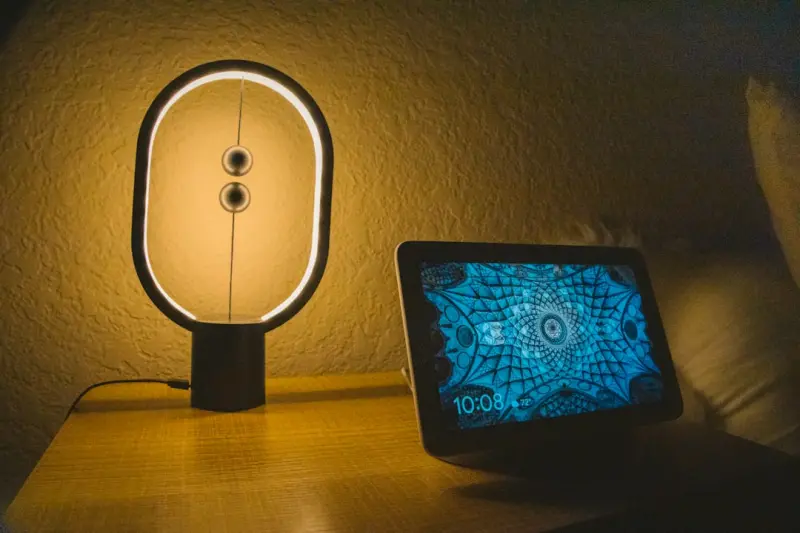
- The “Sensory Reset.” Light, sound, and temperature are silent conductors of our circadian orchestra. Dim the lights to a warm amber hue, play a low‑frequency ambient track, and adjust the room temperature to about 65°F (18°C). This creates a physiological cue that signals “relaxation mode” while still allowing the mind to wander productively.
- The “Micro‑Reflection Loop.” After a burst of ideas, close your eyes for a minute and mentally walk through each one, visualizing its shape, texture, or sound. This brief meditation reinforces the memory trace without demanding full wakefulness. It’s a technique echoed in Micro‑Rest Mastery: Turning Narcolepsy into a Workplace Superpower, proving that short, focused mental pauses can be transformative.
These rituals respect the body’s need for rest while honoring the brain’s nocturnal momentum. Over time, I’ve noticed my daytime productivity spikes because the night’s “unfinished business” has already been logged and partially processed.
Digital Hygiene Without the Gimmick
We live in a hyper‑connected world where the glow of a screen is as tempting as a night‑time muse. The temptation to check email, scroll social feeds, or chase the latest design trend can sabotage the delicate balance we’re trying to craft. Instead of a blanket “no devices after 9 p.m.” rule, I’ve adopted a nuanced approach:
- Blue‑Light Filters. Activate night‑shift modes on all devices after sunset. The warmer spectrum reduces melatonin suppression without fully cutting off access.
- Purpose‑Driven Browsing. If you must be online, define a clear intent—e.g., “research a color theory article”—and set a 15‑minute timer. When the timer ends, close the tab. This prevents aimless scrolling that fuels anxiety.
- Silent Notification Zones. Create a “Do Not Disturb” profile that silences non‑essential alerts but allows calls from critical contacts. This maintains a safety net while protecting your mental space.
These steps aren’t about perfection; they’re about intentionality. By reducing the cognitive load from unnecessary digital chatter, you free up mental bandwidth for the creative currents that naturally rise when the world quiets down.
When Rest Remains Elusive: Partnering with Professional Care
Even the most disciplined rituals can fall short. Chronic insomnia—defined as difficulty falling or staying asleep at least three nights a week for three months—can signal deeper physiological or psychological factors. In such cases, seeking professional guidance is not a surrender but an act of self‑advocacy.
Therapies such as Cognitive Behavioral Therapy for Insomnia (CBT‑I) have robust evidence supporting their efficacy. Unlike sleep medications, CBT‑I equips you with tools to reshape thought patterns and bedtime habits, leading to sustainable improvements. If you suspect an underlying condition like sleep apnea or restless leg syndrome, a referral to a sleep specialist can provide critical diagnostics.
It’s also worth noting that mental health professionals are increasingly integrating creative modalities into treatment. For example, art‑based journaling during therapy sessions can uncover subconscious stressors that manifest as sleeplessness. This synergy between creative expression and clinical practice mirrors the holistic approach highlighted in When the Night Whispers: Rethinking Sleep Apnea in a Connected World, where technology, health, and personal narrative intersect.
Building a Nighttime Innovation Portfolio
Just as you might track a portfolio of investments, consider cataloguing your nocturnal insights. Create a digital folder—perhaps titled “Midnight Muse”—where you store scanned pages of your bedside notebooks, voice memos, or quick sketches. Periodically review this archive during a dedicated “Idea Review” session. You’ll be surprised at how many seedlings sprout into full‑grown projects when given the chance to mature.
Additionally, share select nighttime breakthroughs with trusted colleagues or collaborators. This not only validates your ideas but also builds a culture that respects the ebb and flow of creative energy, acknowledging that inspiration doesn’t always adhere to a 9‑to‑5 schedule.
Embracing the Restless Rhythm
Insomnia, for many of us, is a double‑edged sword. It can erode health if left unchecked, yet it also offers a unique window into the inner workings of our creative mind. By honoring the night as a legitimate workspace—while simultaneously safeguarding the body’s need for genuine rest—you transform a disruptive symptom into a strategic advantage.
Remember, the goal isn’t to eliminate sleeplessness entirely (that would be unrealistic for most of us) but to cultivate a relationship with it that feels collaborative rather than combative. When the clock strikes midnight and the world hushes, ask yourself: What story is my mind trying to tell me tonight? Then, give it the space to be heard, documented, and eventually, woven into the tapestry of your waking achievements.

Sarah Gray is a proud Canadian who calls Brampton home, where she lives with her husband, Paul. A passionate home cook and gifted storyteller, Sarah loves creating delicious recipes and sharing stories inspired by everyday life, family, and cherished experiences. When she isn't experimenting in the kitchen, she's busy crafting engaging content that reflects her warmth, creativity, and love of connection. Above all, Sarah treasures time spent with her grandchildren, embracing every opportunity to create lasting memories with the people she loves most.
Related Posts

Turning Insomnia into a Strategic Edge for High‑Impact Professionals
Insomnia often feels like a setback, but it can be a powerful tool for deep thinking. Discover a dat... Read More
When Insomnia Becomes Your Night‑Time Innovation Lab
Discover a practical playbook that transforms restless nights into strategic work sessions, micro‑... Read More

Rewiring the Night: A High‑Performance Playbook for Conquering Insomnia
A data‑driven guide for professionals to diagnose, understand, and overcome insomnia using wearabl... Read More
Top Posts

The Unseen Chemical Assault on Your Liver—and How to Build a Daily Defense Plan
Everyday products—from cleaning sprays to personal care items—deliver low‑level toxins to your liver. Learn practical habits, movement tips, and dietary t...Read More

Strategic Longevity: A Data‑Centric Blueprint for Extending Your Prime
A data‑driven approach to longevity transforms health metrics, workspace design, and gut health into a strategic advantage, helping leaders add years of highâ...Read More

The Secret Power of Food Pairing: How Strategic Combos Supercharge Your Nutrition
Explore the science of food pairing and learn simple, powerful combos that boost nutrient absorption, support brain health, and align meals with your body’s n...Read More

When the Office Gets Green: Biophilic Design as a Prescription for Modern Health
Discover how integrating plants, natural light, and micro‑movements into office spaces can lower stress, improve immunity, and boost productivity, backed by r...Read More
0 Comments
Post Comment
You will need to Login or Register to comment on this post!