
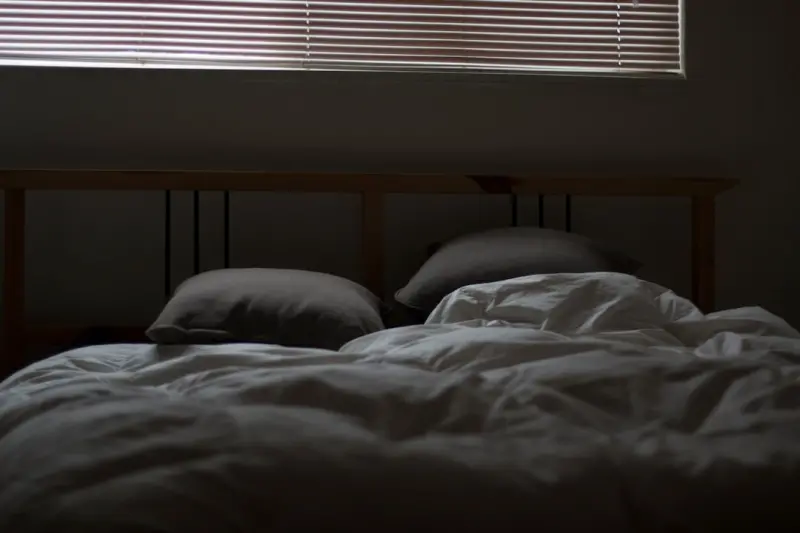
Listening to the Quiet Signals: A Fresh Look at Sleep Apnea in Our Hyper‑Connected Lives
When I first heard the term “sleep apnea” I imagined a dramatic, clinical scenario: a patient in a hospital gown clutching a mask, a team of doctors monitoring oxygen levels. The reality, however, is far less theatrical and far more personal. It’s the subtle sighs in the night, the occasional gasp that goes unnoticed, and the way those micro‑interruptions cascade into a day that feels perpetually out of sync.
Over the past few years I’ve sat at countless tables—boardrooms, kitchen islands, co‑working spaces—listening to professionals, parents, retirees, and creative freelancers share a common thread: the invisible weight of fragmented sleep. For many, the culprit is sleep apnea, a condition that, unlike a headline illness, hides in plain sight, quietly reshaping cognition, mood, and even our relationship with technology.
Beyond the Diagnosis: What Sleep Apnea Really Means for the Everyday Performer
Sleep apnea isn’t just about snoring louder than a subway train; it’s a complex physiological dance between airway obstruction, brain signaling, and metabolic stress. When the airway collapses—even for a fraction of a second—the brain briefly awakens, triggering a surge of adrenaline. The body then returns to sleep, often without the sleeper ever registering the interruption.
That pattern repeats 5 to 30 times per hour for some, and the cumulative effect is a nightly “energy tax.” Over weeks and months, the tax manifests as:
- Foggy cognition—difficulty focusing, forgetfulness, and slower decision‑making.
- Emotional volatility—irritability, heightened anxiety, and an increased propensity for depressive episodes.
- Physical wear—unexplained weight gain, insulin resistance, and a higher risk of cardiovascular events.
What’s striking is how these symptoms often masquerade as “just stress” or “a busy lifestyle.” In our culture of hustle, many accept the fog as a badge of honor, never pausing to consider that a treatable sleep disorder might be the hidden driver.
The Digital Mirror: How Our Devices Amplify the Apnea Cycle
We are wired to be constantly connected. Our smartphones, laptops, and smart‑home assistants are extensions of ourselves, but they also serve as silent amplifiers of sleep disruption. The blue‑light emissions from screens suppress melatonin, the hormone that cues our bodies to wind down. Meanwhile, the anxiety of checking emails at 2 a.m. spikes cortisol, a stress hormone that further destabilizes breathing patterns during sleep.
In fact, research is beginning to reveal a feedback loop: unlocking brain resilience isn’t just about creative hobbies; it’s also about giving the brain a true night of restorative downtime. When apnea fragments that downtime, the brain’s capacity to bounce back from stress diminishes, making us more susceptible to digital overload.
Reframing the Narrative: From “Treatment” to “Lifestyle Integration”
Traditionally, sleep apnea has been approached as a medical problem solved with CPAP machines, oral appliances, or surgery. While those interventions are lifesaving for many, they often feel alienating: a mask that hisses, a device that rattles, a procedure that requires recovery. I’ve spoken with people who abandoned their CPAP after a week because it felt like “living in a sci‑fi movie.”
What if we shifted the conversation from “treatment” to “integration”? Imagine a toolkit that blends medical support with everyday habits, turning the management of apnea into a seamless part of one’s routine:
- Environmental design—use white‑noise machines, humidifiers, and adjustable bedroom lighting to create a breathable, calming space.
- Micro‑movement rituals—gentle neck stretches, diaphragmatic breathing exercises, or a five‑minute yoga flow before bed can improve airway tone.
- Data‑informed sleep—wearable devices that track oxygen saturation, heart rate variability, and sleep stages can provide real‑time feedback, empowering users to adjust positions or use a CPAP only when needed.
- Community accountability—online support groups or workplace wellness challenges that include sleep metrics can normalize conversation and reduce stigma.
This integrated approach aligns with the broader theme of the longevity blueprint: longevity isn’t a singular diet or exercise regimen; it’s a tapestry of purpose, play, and digital balance. Sleep apnea, then, is a thread that, when properly woven, strengthens the whole fabric.
Sleep Apnea in the Workplace: The Untapped Productivity Lever
Think about the average office day: a morning coffee, a mid‑morning meeting, a lunch break spent scrolling social feeds, and an afternoon slump that feels inexplicable. For employees battling undiagnosed or poorly managed sleep apnea, that slump isn’t just fatigue—it’s a physiological crash.
Companies that invest in sleep health see measurable returns:
- Reduced absenteeism—employees who receive proper apnea management report 30% fewer sick days.
- Higher engagement scores—well‑rested teams are more collaborative, innovative, and resilient under pressure.
- Lower healthcare costs—by preventing comorbidities like hypertension and diabetes, organizations save on long‑term medical expenses.
Practical steps for employers include:
- Offering health‑screening days that include overnight pulse‑oximetry.
- Providing subsidies for CPAP devices or oral appliances.
- Implementing “quiet rooms” where employees can take short, restorative power‑naps without screens.
When sleep apnea is treated as a workplace wellness priority, it stops being a personal secret and becomes a collective advantage.
The Creative Edge: How Managing Apnea Unlocks Deeper Thought
Creativity thrives on the brain’s ability to make distant connections—a process that relies on the REM stage of sleep, when the brain consolidates memories and experiments with novel patterns. Apnea truncates REM, leaving the mind in a state of “partial activation.” The result? A creative mind that feels stuck, recycling the same ideas without breakthrough.
One of my favorite anecdotes comes from a graphic designer who, after months of struggling with “creative block,” discovered she had moderate sleep apnea. After a simple CPAP trial, she reported not only sharper visual thinking but also a renewed enthusiasm for sketching late into the night—without the usual eye‑strain fatigue. Her story illustrates a broader truth: when we restore the night’s integrity, the day’s imagination expands.
Practical “Sleep‑First” Hacks for the Busy Professional
Below are ten actionable habits you can weave into an already packed schedule. No need for a complete lifestyle overhaul—just small, consistent tweaks that respect both your time and your airway.
- Side‑sleep positioning: Sleeping on your back can exacerbate airway collapse. Place a pillow behind your back to encourage side‑sleeping.
- Weight‑mindful meals: Heavy, fatty meals close to bedtime increase throat tissue inflammation. Aim for a light dinner at least three hours before lights‑out.
- Alcohol moderation: Even a single glass of wine can relax throat muscles, worsening apnea. Consider a non‑alcoholic alternative on evenings when you need restorative sleep.
- Consistent wake‑time: The body thrives on rhythm. Set an alarm for the same time daily, even on weekends, to reinforce a stable circadian clock.
- Screen curfew: Turn off screens at least 60 minutes before bed. Use amber‑filtered glasses if you must use devices.
- Breath awareness practice: Spend two minutes each night lying on your back, inhaling through the nose, exhaling through the mouth, focusing on the rise and fall of your diaphragm.
- Humidity control: Dry air can irritate nasal passages. A humidifier set to 40‑50% relative humidity keeps the airway moist.
- Morning sunlight exposure: 10‑15 minutes of natural light within the first hour after waking boosts melatonin regulation for the next night.
- Weekly check‑ins: Use a sleep‑tracking app to note trends—snoring intensity, morning headaches, daytime sleepiness—and discuss them with a healthcare professional.
- Community accountability: Share your sleep goals with a friend or a workplace group. A buddy system can keep you motivated to use CPAP consistently.
Implementing even a handful of these practices can shift the balance from a night of fragmented breaths to a night of cohesive, healing rest.
Looking Ahead: The Future of Sleep Apnea Management
Technology is marching forward, and sleep apnea is poised to benefit from innovations that go beyond the traditional mask:
- Smart fabrics: Mattress covers embedded with sensors that gently adjust firmness based on breathing patterns.
- AI‑driven predictive analytics: Algorithms that analyze nightly data to predict apnea spikes, prompting pre‑emptive posture adjustments.
- Non‑invasive neurostimulation: Devices that stimulate the hypoglossal nerve (which controls tongue position) without surgery.
These advances promise a future where managing apnea is as intuitive as setting a thermostat—quiet, automatic, and personalized.
Conclusion: Embrace the Night, Empower the Day
If you’ve ever felt that your mind was a little slower, your mood a touch more brittle, or your energy a shade dimmer, consider the possibility that sleep apnea is whispering behind the scenes. The good news is that you don’t have to accept the whisper as a permanent soundtrack. By reframing apnea from a medical problem into a lifestyle integration challenge, leveraging technology wisely, and fostering community support, you can reclaim the night’s restorative power and, in turn, amplify the quality of your days.
Remember: the night is not an enemy to be conquered, but a partner in your broader narrative of health, creativity, and performance. Listen closely, adjust gently, and let the quiet breaths become the rhythm that carries you forward.

Becky Putman is an Ottawa-based freelance writer and marketing professional with a passion for storytelling, animals, and community involvement. She enjoys creating engaging content that informs, inspires, and connects with readers.
Related Posts
The Hidden Truth About Sleep Apnea: A Holistic Approach to Diagnosis and Treatment
Sleep apnea is a serious sleep disorder that affects millions of people worldwide. Learn how a holis... Read More

Breathing New Life into Sleep Apnea Management
Explore a fresh, breath‑focused approach to sleep apnea that blends simple techniques, lifestyle t... Read More

Quieting the Night: A Fresh Playbook for Managing Sleep Apnea
A comprehensive guide offering actionable tips—from bedroom setup to breathing exercises—designe... Read More
Top Posts

The Weight Loss Journey: A Holistic Approach to Sustainable Results
A successful weight loss journey requires a deep understanding of our physical, emotional, and mental health. Learn how to adopt a holistic approach to achieve ...Read More
Embracing a Holistic Journey Through Cancer
A personal, holistic guide to navigating cancer, blending nutrition, movement, mindset, and community for resilient healing....Read More

How Real‑Time Data and Community Support Empower Prediabetes Management
Explore a fresh, tech‑enabled approach to prediabetes that blends real‑time glucose tracking, community accountability, and holistic lifestyle tweaks for la...Read More

Beyond Muscles: Building Emotional Strength for Modern Men
A fresh look at men's health that goes beyond physical training, exploring emotional fitness, narrative breathing, gut health, and community to build lasting re...Read More
0 Comments
Post Comment
You will need to Login or Register to comment on this post!