
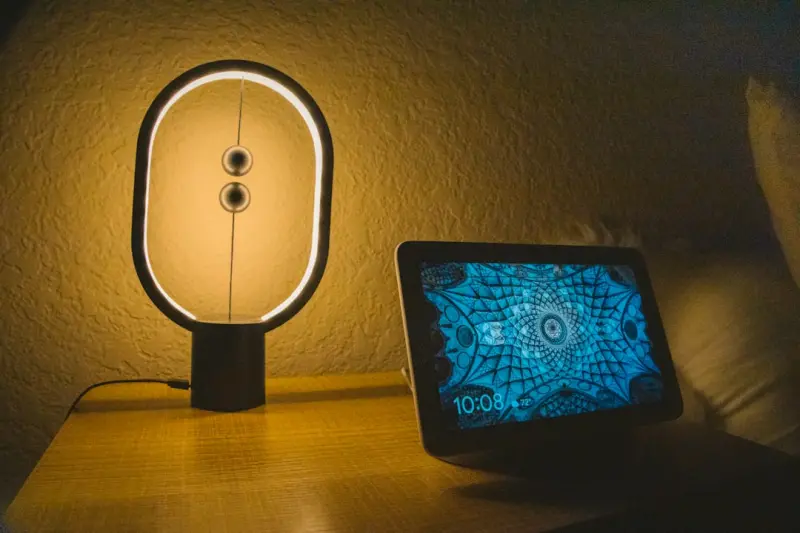
When the Night Won’t Let You Sleep, Let It Teach You
Insomnia has a nasty habit of crashing on the couch of our lives uninvited, flickering the lights, and demanding a seat at the table. For most of us, that seat is uncomfortable: we stare at the ceiling, count nonexistent sheep, and wonder why our brain decided to throw a midnight rave while the rest of the world is in a deep, blissful trance. But what if we could turn that unwanted guest into a strategic partner?
In my own restless nights, I’ve discovered that the very edge that keeps me awake can also sharpen the edge we need for creative breakthroughs, high‑stakes problem solving, and even better health habits. Below is the playbook I’ve built from trial, error, and a lot of coffee‑stained notebooks.
1. Map the “Why” Before the “What”
The first step is to stop treating insomnia as a random glitch and start treating it as a symptom with a story. Most of us think of sleeplessness as purely physiological – hormones, caffeine, blue light. While those are real, the psychological narrative often carries more weight.
- Stress inventory: List every lingering worry on a piece of paper. The act of externalizing the mental chatter reduces its grip on your mind.
- Reward anticipation: Notice if you’re secretly hoping for the “creative spark” that only comes when the house is quiet. Acknowledging this can redirect that energy toward a planned activity.
- Pattern detection: Use a simple spreadsheet (yes, the same tool we use for product roadmaps) to track bedtime, caffeine, screen time, and mood. After two weeks, you’ll see clusters you never imagined.
By mapping the why, you give the insomnia a purpose – and purpose is easier to manage than mystery.
2. Convert the Hyper‑Alert State Into a “Quiet‑Storm” Session
When the brain refuses to shut down, it’s not “off” – it’s simply operating at a higher frequency. I call this a “quiet‑storm” – a period of heightened focus without external distractions. Here’s how to harness it:
- Set a 20‑minute timer. This creates a micro‑sprint that respects the limited stamina of a sleepless mind.
- Pick a low‑stakes, high‑clarity task. Ideation, mind‑mapping, or drafting a brief email work better than deep code reviews.
- Use ambient white noise. A subtle fan or a soft auditory environment can keep the mind from spiraling into anxiety while still providing a backdrop that prevents abrupt silence.
- Capture the output immediately. A voice memo or a quick note in your favorite app ensures the fleeting insights don’t evaporate with the next wave of fatigue.
This technique respects the brain’s current state, turning what feels like a liability into a productivity hack. It’s the opposite of forcing sleep; you’re simply working with the brain’s natural rhythm.
3. Leverage the “Night‑Shift” for Personal Development
Most personal‑growth content assumes we’re bright and early. But the quiet of night offers a rare environment for reflective practices:
- Micro‑journaling: Write a single sentence about what you learned today. Over weeks, these sentences form a personal knowledge base.
- Skill micro‑practice: Pick a tiny, 5‑minute drill – a language phrase, a coding pattern, or a breathing technique. Consistency beats duration.
- Read the “unusual”: Instead of a novel, choose a research abstract or a case study. The novelty can stimulate curiosity without the pressure of a plot.
Because you’re not battling the clock, you can experiment with content that feels “too niche” for daytime consumption. The result? A portfolio of micro‑wins that compound into larger skill sets.
4. Reframe the Night as a “Data‑Capture Window”
In SaaS, we love data. Insomnia gives us a natural, low‑cost data collection period. Here’s a simple framework:
- Define the metric: Heart rate variability (HRV), caffeine intake, screen brightness, or even the number of times you check your phone.
- Choose a tool: A smartwatch, a phone app, or even a simple journal can log the data.
- Analyze weekly: Look for correlations – does a late‑night email spike HRV? Does a warm shower improve sleep onset?
- Iterate: Adjust one variable at a time (e.g., switch from coffee to matcha) and observe the impact.
When you treat insomnia as a data experiment, you regain agency. You’re no longer a passive victim; you become an active analyst.
5. Turn the Nighttime Wakefulness Into a “Creative Sandbox”
There’s a reason some of the world’s greatest art, literature, and tech breakthroughs were born in the dead of night. The reduced social noise creates a sandbox where unconventional ideas can play.
Try this:
- Set a “sandbox” bucket. Keep a physical or digital box where you dump any wild idea that surfaces.
- Use prompts. Ask yourself, “What if we could remove friction from our onboarding flow?” or “What would a customer feel if we swapped our UI colors?”
- Don’t judge. The sandbox is judgment‑free. Rating ideas is for the daylight, when you have a clearer perspective.
After a week, revisit the bucket. You’ll be surprised at the depth and novelty of ideas that emerged when the brain was unshackled from daytime expectations.
6. Combine Insomnia Management With Existing Wellness Strategies
We’ve already explored the power of Micro‑Adventures for boosting mood. Pair that with a “pre‑sleep ritual” that’s less about forcing sleep and more about signaling transition:
- Light dimming: About an hour before you intend to rest, lower the brightness on all devices to under 200 lux.
- Temperature tweak: A cool bedroom (around 65°F) nudges the body’s thermoregulatory system toward sleep.
- Gentle movement: Five minutes of slow stretching or yoga can lower cortisol without raising heart rate.
These aren’t magic pills; they’re environmental cues that help your nervous system decide, “Okay, it’s time to wind down.” When combined with the data‑driven insights from step 4, you get a feedback loop that continuously refines your night routine.
7. The “Two‑Phase” Night: Work, Then Unwind
Instead of treating the night as a binary “asleep or not,” divide it into two intentional phases:
- Phase One – “Strategic Sprint” (30‑45 minutes): Use the quiet‑storm method to tackle a high‑impact, low‑complexity task.
- Phase Two – “Wind‑Down Ritual” (15‑30 minutes): Shift to calming activities: reading a physical book, listening to low‑frequency ambient music, or practicing a breathing pattern (see Beyond Pills: Gamified Breath Work for inspiration).
This structure respects the brain’s need for activity while still honoring the body’s natural sleep drive.
8. The Social Angle: Share Your Nighttime Insights
One of the biggest misconceptions about insomnia is its isolation. Yet, sharing what you learn can create a community of “night‑workers.” Here are ways to do it without sounding like a self‑help guru:
- Micro‑posts on Slack or Teams: A quick “Tonight’s insight: users love visual onboarding cues” can spark morning discussions.
- Night‑only office hours: Offer a brief window where teammates can join a voice call to brainstorm low‑stakes ideas.
- Anonymous tip jar: Collect nighttime observations from the team and review them in a weekly “insight roundup.”
The goal isn’t to glorify sleeplessness but to recognize that the night can be a collaborative, productive space when handled thoughtfully.
9. When Insomnia Persists: Know When to Call in the Pros
All the hacks in this post assume a functional, occasional insomnia. Chronic insomnia that interferes with daily functioning should be evaluated by a healthcare professional. Look for red flags:
- Persistent difficulty falling asleep for more than three nights a week over a month.
- Daytime fatigue that jeopardizes safety (e.g., driving, operating machinery).
- Accompanying mental health symptoms like anxiety or depression.
In those cases, a blended approach of cognitive behavioral therapy for insomnia (CBT‑I) and, if needed, medication under supervision is the gold standard. The data‑driven tactics above can still complement professional treatment, but they shouldn’t replace it.
10. A Personal Closing Thought
My own relationship with insomnia is a love‑hate story. I’ve spent countless nights staring at the ceiling, then turned those same hours into a notebook full of product concepts that later became MVPs. The key isn’t to romanticize sleeplessness – it’s to respect its presence, extract its utility, and then, when the body finally yields, allow restorative sleep to repair the neural pathways you’ve stretched.
So the next time the night refuses to let you drift, ask yourself: “What can I do right now that only the quiet of night can enable?” The answer might just be the next breakthrough your team needs.

Tom Ferguson is a Canadian freelance writer with a passion for storytelling, current events, and thoughtful commentary. Drawing on years of writing experience, he shares engaging insights on a wide range of topics, bringing a uniquely Canadian perspective to his work.
Related Posts

When the Inbox Never Sleeps: How Late‑Night Emails Sabotage Your Sleep
Late‑night email checking keeps the brain in “always‑on” mode, delaying melatonin and worsen... Read More

Why the Traditional “Just Sleep More” Playbook Fails
Insomnia is often painted as a personal failing—a sign that you’re not “sleep‑ready” or th... Read More

The Nighttime Reset: A Holistic Playbook to Break Free from Insomnia
Discover a step‑by‑step, evidence‑based playbook that tackles the hidden causes of insomnia—... Read More
Top Posts
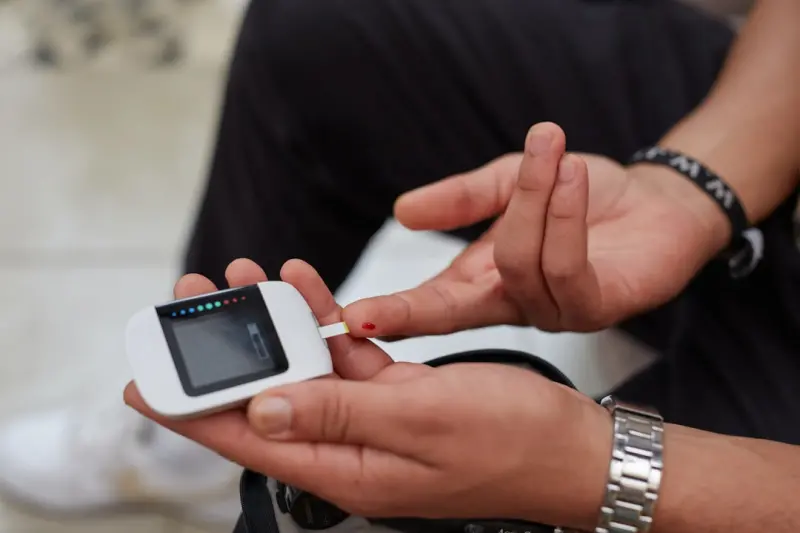
Why Your Digital Habits Could Be the Missing Piece in Prediabetes Control
A fresh look at managing prediabetes through small, tech‑driven habit changes—glucose dashboards, smart alerts, and community data sharing—to stabilize bl...Read More

When Your Gut Starts Talking: Decoding the Signals for Better Health
Your gut is a constant communicator, sending cues about stress, nutrition, and overall well‑being. This guide teaches you how to decode those signals, build a...Read More

Give Your Liver a Daily Reset Routine for Long‑Lasting Vitality
A practical guide to daily liver‑reset rituals—from purposeful hydration and short walks to strategic fasting and breath work—designed for busy profession...Read More
The Data‑Driven Playbook for Managing Autoimmune Flare‑Ups in High‑Performance Careers
A practical guide shows high‑performers how to use wearables, AI, optimized workspaces, and micro‑pause techniques to predict and prevent autoimmune flareâ€...Read More
0 Comments
Post Comment
You will need to Login or Register to comment on this post!