
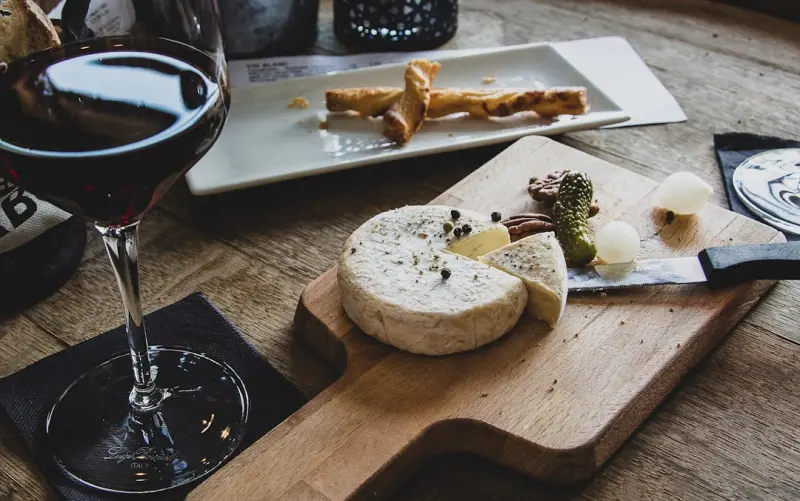
Why Food Pairing Is the Missing Link in Your Nutrition Strategy
Most people think of nutrition as a simple tally of calories, macros, and isolated vitamins, but the reality is far richer: the foods we combine on a plate can either unlock or lock away the nutrients they contain. Strategic food pairing taps into biochemistry, leveraging natural compounds that enhance absorption, stabilize blood sugar, and even modulate inflammation, turning a routine meal into a precision health tool. When you start viewing your grocery list as a set of complementary building blocks rather than a random assortment, you begin to see measurable upgrades in energy, focus, and recovery without adding a single supplement.
The Science Behind Nutrient Synergy
At the cellular level, nutrients rarely act in isolation; they communicate through transporter proteins, enzymes, and co‑factors that either amplify or inhibit each other's pathways. For instance, certain polyphenols can up‑regulate the expression of transporters that shuttle minerals across the intestinal wall, while specific amino acids can act as molecular chaperones that protect delicate vitamins from oxidative degradation. Understanding these interactions lets you design meals that exploit natural “nutrient boosters,” creating a cascade effect where the whole truly becomes greater than the sum of its parts.
Iron Meets Vitamin C: A Classic Power Couple
Non‑heme iron, the type found in plant foods like lentils and spinach, is notoriously fickle, often losing its potency in the acidic environment of the stomach unless paired with an enhancer. Vitamin C, an acidifying antioxidant, converts ferric iron (Fe³⁺) into the more absorbable ferrous form (Fe²⁺), boosting bioavailability by up to 350 % when consumed together. A simple splash of lemon juice over a kale‑bean salad or a side of bell‑pepper‑rich salsa with tofu transforms a modest iron source into a potent hematologic ally, especially valuable for those following vegetarian or vegan diets.
Fat‑Soluble Vitamins Thrive with Healthy Fats
Vitamins A, D, E, and K dissolve best in lipid environments, meaning a drizzle of olive oil over a carrot‑sweet‑potato mash does more than add flavor—it acts as a delivery vehicle that escorts these micronutrients across the intestinal mucosa. Research shows that adding as little as one teaspoon of extra‑virgin olive oil can double the absorption rate of beta‑carotene, the provitamin A precursor found in orange vegetables. Pairing avocado with a leafy‑green smoothie or tossing walnuts into a quinoa bowl ensures that your body captures the full spectrum of fat‑soluble benefits without the need for high‑dose supplements.
Spice Chemistry: Turmeric, Black Pepper, and Beyond
Curcumin, the bright orange compound in turmeric, has earned a reputation for its anti‑inflammatory prowess, yet its oral bioavailability is notoriously low due to rapid metabolism and poor absorption. The secret weapon? Piperine, the active alkaloid in black pepper, which inhibits hepatic glucuronidation, allowing curcumin to linger in the bloodstream up to 2000 % longer. By simply sprinkling a pinch of freshly ground black pepper onto a golden milk latte, you unlock curcumin’s therapeutic potential, turning a humble spice ritual into a clinically relevant anti‑oxidative strategy.
Timing Meets Technology: Aligning Meals with Your Circadian Rhythm
Emerging research shows that the body’s internal clock dictates not just sleep cycles but also the efficiency of nutrient metabolism, with insulin sensitivity peaking in the early daylight hours and waning after dinner. Leveraging Digital Therapeutics platforms, you can now receive personalized meal‑timing recommendations that sync your macronutrient intake with your circadian highs, optimizing glucose handling and fat oxidation. By front‑loading protein and complex carbs before noon and shifting to lighter, fiber‑rich meals later, you align digestion with hormonal rhythms, reducing post‑prandial spikes and supporting sustainable weight management.
Brain‑Fueling Combos: Nutrients That Talk to Each Other
Neurocognitive performance thrives on a delicate balance of choline, omega‑3 fatty acids, and antioxidants, and pairing these nutrients can amplify their protective effects on synaptic plasticity. A splash of walnut‑oil‑based dressing on a spinach‑berry salad merges DHA‑rich fats with flavonoid‑laden berries, creating a synergistic shield against oxidative stress while promoting neurotransmitter synthesis. This concept dovetails with the findings discussed in Nature’s Neural Boost, where external stimuli and internal nutrition converge to sharpen focus, memory, and mood.
Practical Steps to Build Your Own Nutrient‑Synergy Meal Plan
- Identify a target nutrient—iron, vitamin D, curcumin, etc.—and research its optimal enhancer.
- Choose whole‑food sources for both the primary nutrient and its partner, avoiding processed additives that can interfere with absorption.
- Mind the ratio—a pinch of pepper, a drizzle of oil, or a squeeze of citrus is often enough; more isn’t always better.
- Schedule strategically by aligning nutrient‑dense meals with your body’s metabolic peaks, using app‑based reminders if needed.
- Track outcomes in a simple journal or health app, noting energy levels, digestion, and any changes in biomarkers like iron or vitamin D status.
Experiment, Observe, and Evolve Your Plate
Adopting food pairing as a habit doesn’t require a complete overhaul; start with one combo per week, observe how your body responds, and iterate based on measurable feedback. Over time, you’ll develop an intuitive sense for which flavors, textures, and fats naturally complement each other, turning nutrition from a chore into a dynamic, data‑driven experiment. Embrace the curiosity that fuels scientific discovery, and let every bite become a deliberate step toward a sharper mind, stronger body, and more vibrant life.

Brody Lambert is an emerging freelance writer whose fresh voice and thoughtful approach are quickly making their mark. As a fairly new entrant in the world of freelance writing, Brody brings a blend of curiosity and dedication that fuels every project, crafting stories and content that resonate with authenticity and clarity.
Related Posts
Flavorful Focus: Crafting a Nutrition Blueprint for Creative Power
Tammy French reveals a fresh nutrition framework that uses color, timing, micro‑nutrients, and min... Read More
Food Pairing Hacks to Supercharge Your Brain at Work
Learn how strategic food combinations—like whole grains with omega‑rich nuts or dark chocolate w... Read More
Nutrition and Overall Wellness: A Holistic Approach
A well-balanced diet is essential for maintaining overall health and wellness. By making informed ch... Read More
Top Posts

When Climate Change Fuels Autoimmune Flare-Ups: A New Frontline in Health
A deep dive into the hidden connection between climate change, environmental toxins, and rising autoimmune disorders, offering science‑backed insights and pra...Read More

Holistic Paths to Empowered Women’s Health
Explore a holistic roadmap for women’s health, blending nutrition, sleep, movement, and mind‑body practices to empower lasting vitality and balance....Read More
Micro‑Habits That Melt Fat: A Scientific Playbook
Learn a step‑by‑step habit‑stacking system that uses micro‑actions, seasonal foods, and wearable data to silently shift metabolism and curb cravings, de...Read More

Holistic Blueprint for Women’s Health: From Cycle to Serenity
Explore a holistic roadmap for women’s health, covering hormone harmony, menstrual insights, fertility, postpartum recovery, menopause, mental wellness, gut h...Read More
0 Comments
Post Comment
You will need to Login or Register to comment on this post!