
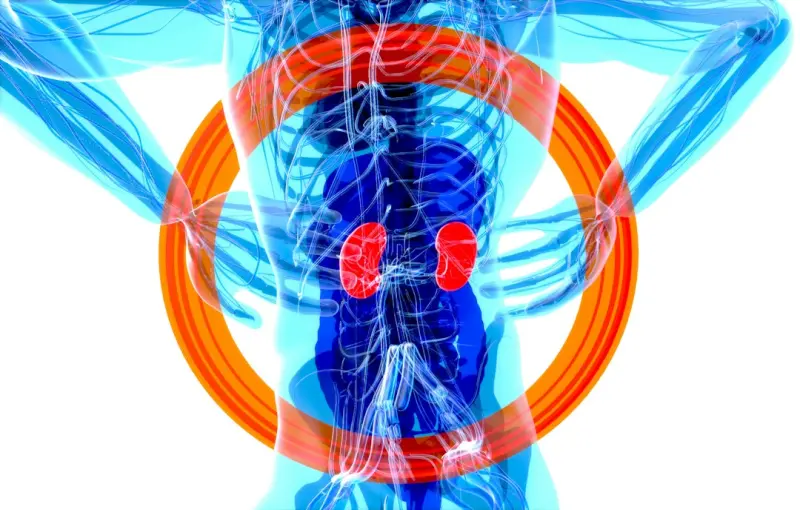
The Quiet Power of Liver Resilience: Future‑Proofing Your Metabolism
When most people think about “detox” or “clean eating,” the liver is the silent backstage crew that rarely gets applause. Yet this 1.5‑kilogram organ performs the most complex biochemistry on the planet, turning everything we drink, inhale, and chew into usable fuel—or safely escorting the rest out of the body. In this deep‑dive, I’ll walk you through the science, the everyday habits that tip the balance, and the emerging tools that let you monitor liver health like a pro. Buckle up—your metabolic future depends on it.
Why the Liver Deserves a Seat at the Health Table
The liver is more than a fat‑burning furnace. It’s the central hub for:
- Carbohydrate management: converting glucose to glycogen, then releasing it when you need energy.
- Protein processing: synthesizing essential blood proteins, including clotting factors.
- Detoxification: neutralizing alcohol, medication metabolites, environmental toxins, and even the by‑products of inflammation.
- Vitamin storage: stockpiling vitamins A, D, E, K, and B12 for when you need them most.
- Hormone regulation: breaking down excess estrogen and cortisol, which directly impacts mood and sleep.
Because the liver touches almost every system, a compromised organ can manifest as skin issues, fatigue, brain fog, or even subtle changes in weight. Ignoring it isn’t just a “later” problem—it's a silent accelerator of chronic disease.
Three Hidden Stressors That Sabotage Liver Resilience
While most health guides focus on diet and exercise, they often overlook three stealthy culprits that wear down liver capacity over time.
1. Ambient Airborne Toxins
We spend roughly 90% of our time indoors, and indoor air quality can be a hidden poison cocktail. Volatile organic compounds (VOCs) from paints, cleaning agents, and even furniture off‑gassing can overwhelm hepatic detox pathways. A recent study linked prolonged exposure to indoor PM2.5 with elevated liver enzymes, a classic sign of stress.
Improving indoor air is a low‑effort, high‑return strategy. Consider a simple home‑air audit and invest in HEPA filters, houseplants known for VOC absorption, and regular ventilation.
2. Gut‑Liver Axis Imbalance
The gut and liver converse via the portal vein, a one‑way street that carries nutrients, microbes, and endotoxins straight to the liver. Disruption of the gut microbiome—whether from antibiotics, low‑fiber diets, or chronic stress—allows lipopolysaccharides (LPS) to flood the liver, igniting inflammation.
Think of the gut as a security checkpoint. When it falters, the liver gets bombarded with “danger signals.” Reinforcing gut health is therefore a direct line to liver resilience. For a deeper look at how gut health drives systemic stability, explore our gut‑microbiome guide.
3. Insurance‑Driven Reactive Care
Most health plans still prioritize acute treatment over preventive monitoring. Without regular liver function tests, early-stage steatosis (fatty liver) can creep in unnoticed until fibrosis sets in. The good news? Some forward‑thinking insurers now bundle liver health panels with wellness perks.
Leveraging these preventive options can turn your insurance from a cost center into a preventive powerhouse—a strategic move that catches issues before they snowball.
Practical Pillars for Building Liver Resilience
Below are six evidence‑backed pillars you can start implementing today. Each pillar targets a different stressor, ensuring a holistic shield around your liver.
1. Nutrient Timing & Quality
Instead of obsessing over calorie counting, focus on when and what you feed your liver.
- Morning protein boost: A high‑quality protein (e.g., eggs, Greek yogurt, or a plant‑based blend) jump‑starts hepatic protein synthesis and stabilizes blood sugar.
- Mid‑day fiber surge: Soluble fiber from oats, chia, or lentils binds bile acids, prompting the liver to produce fresh bile—a process that clears cholesterol.
- Evening low‑carb window: Limiting carbs after 7 p.m. reduces glycogen overload, giving the liver a chance to focus on detox rather than storage.
2. Adaptive Hydration
Water isn’t just a thirst quencher; it’s a carrier for the liver’s enzymatic reactions. Aim for at least 2 liters of high‑purity water daily, and sprinkle in electrolytes (magnesium, potassium) if you’re active. A glass of lemon water in the morning adds a modest dose of vitamin C, which supports glutathione, the liver’s master antioxidant.
3. Targeted Micronutrients
Four micronutrients stand out for hepatic support:
- Silymarin (milk thistle): Enhances cell membrane integrity and promotes regeneration.
- N‑acetylcysteine (NAC): Boosts glutathione synthesis, helping neutralize free radicals.
- Vitamin E: A potent lipid‑soluble antioxidant that protects cell membranes from oxidative damage.
- B‑complex: Essential for methylation pathways that detoxify ammonia and other by‑products.
When choosing supplements, prioritize third‑party tested brands to avoid hidden contaminants that could backfire.
4. Movement That Mirrors Digestion
While high‑intensity interval training (HIIT) is great for cardiovascular health, the liver thrives on moderate, rhythmic activity that promotes blood flow without triggering cortisol spikes. Activities like brisk walking, yoga flows, or light cycling for 30‑45 minutes a day stimulate hepatic perfusion, aiding toxin clearance.
5. Digital Detox for Chemical Detox
Screen time isn’t just a mental fatigue issue; many devices emit low‑level electromagnetic fields (EMFs) that have been shown to influence oxidative stress pathways. A simple rule: keep phones and laptops at least 30 cm away from the abdomen when possible, especially during meals. This small distance reduces the chance of EMF interference with digestive enzymes that feed the liver.
6. Routine Lab Tracking
Ask your clinician for a baseline liver panel (ALT, AST, GGT, ALP, bilirubin) and repeat it annually. If you have risk factors—excess alcohol, metabolic syndrome, or a family history—consider a six‑month cadence. With the rise of at‑home finger‑stick testing kits, you can now track liver enzyme trends without a full lab visit.
The Role of Technology: From Wearables to Biomarker Dashboards
Innovation isn’t just for fitness trackers. New platforms integrate liver‑specific biomarkers into personal health dashboards. Here’s how they work:
- Continuous glucose monitors (CGMs)—while designed for blood sugar, the data correlates with hepatic glycogen storage cycles, giving indirect insights into liver function.
- Non‑invasive spectrometry patches—these use infrared light to estimate liver fat content, alerting users to early steatosis.
- AI‑driven risk calculators—by feeding lifestyle inputs (diet, alcohol, sleep), the algorithm predicts a “liver age” score, nudging you toward corrective actions.
Adopting at least one of these tools can transform the liver from a “set‑and‑forget” organ into a data‑driven partner in your health journey.
Case Study: Turning a Silent Alert into a Lifestyle Reset
Meet Maya, a 42‑year‑old project manager who felt “off” after a busy quarter. Routine labs showed mildly elevated ALT—nothing alarming, but a flag. Instead of ignoring it, she partnered with a preventive‑focused insurer to access a liver‑specific health plan.
Her plan included:
- A six‑month liver panel series.
- Monthly coaching sessions focused on gut‑liver synergy.
- A subscription to a non‑invasive liver‑fat scanner.
Within three months, Maya reduced her processed‑food intake, added a daily 20‑minute walk after lunch, and incorporated a milk‑thistle supplement. Her follow‑up panel showed ALT back within normal range, and the scanner reported a 5% reduction in hepatic fat.
Maya’s story illustrates how a proactive insurance model—highlighted in our preventive powerhouse article—can turn a quiet lab alert into a catalyst for whole‑body optimization.
Future Trends: What’s on the Horizon for Liver Health
As research uncovers more about the liver’s communication network, three trends are gaining momentum.
1. Microbiome‑Targeted Therapies
Precision probiotics designed to bolster specific bacterial strains that produce short‑chain fatty acids (SCFAs) are being trialed for non‑alcoholic fatty liver disease (NAFLD). These SCFAs act as fuel for hepatocytes, reducing fat accumulation.
2. Gene‑Editing Safeguards
CRISPR‑based approaches aim to correct genetic mutations that predispose individuals to hereditary hemochromatosis (iron overload). While still experimental, early data suggest a potential to lower liver iron deposits dramatically.
3. Integrated Lifestyle Platforms
Imagine a single app that pulls data from your CGM, sleep tracker, indoor‑air sensor, and liver‑fat scanner. Using machine learning, it recommends meals, activity windows, and supplement timing tailored to your “liver rhythm.” The convergence of these datasets could make reactive care a relic.
Takeaway Checklist: Your 7‑Day Liver Resilience Reset
- Day 1: Schedule a baseline liver panel (or use an at‑home kit).
- Day 2: Audit indoor air—swap out a scented candle for a plant.
- Day 3: Add a high‑protein breakfast and a glass of lemon water.
- Day 4: Begin a 30‑minute post‑lunch walk.
- Day 5: Introduce a vetted silymarin supplement.
- Day 6: Turn off screens 30 minutes before bedtime; keep devices away from your abdomen.
- Day 7: Log your food, movement, and mood; review trends with a digital dashboard.
Repeat this cycle, fine‑tuning each variable based on your data. Within weeks you’ll likely notice sharper focus, steadier energy, and, most importantly, a liver that feels less like an overworked clerk and more like a well‑orchestrated conductor.
Final Thoughts
The liver may not shout for attention, but it is the unsung hero that decides whether your body thrives or merely survives. By addressing hidden stressors—air quality, gut imbalance, and the limitations of reactive healthcare—you empower this organ to operate at peak efficiency.
Remember: liver health is not a one‑time project; it’s a continuous, data‑informed practice. Embrace the tools, honor the rhythms, and watch your metabolism transform from a fragile system into a resilient engine for life.

William Roy is a freelance writer originally from Montreal who moved to Ottawa with his wife of 50 years to be closer to their grandkids. Alongside his writing, William has a passion for fishing.
Related Posts
Rev Up Your Liver: A Holistic Playbook for Sustainable Detox and Metabolic Power
A detailed guide reveals how to treat your liver like a high‑performance engine—using strategic ... Read More
A Fresh Perspective on Nurturing Liver Health Every Day
Learn how to treat your liver as a daily ally with simple nutrition tweaks, circadian alignment, and... Read More

Seasonal Strategies to Supercharge Your Liver’s Vitality
Learn practical, season‑specific nutrition and lifestyle tips that align your diet, movement, and ... Read More
Top Posts

Reclaiming Control: My Personal Blueprint for Living with Autoimmune Disease
A candid, first‑person guide reveals how lifestyle tweaks, playful movement, and community can empower those battling autoimmune disease....Read More

Grounding Your Way to a Cleaner Body: How Earth Contact Boosts Detox
Grounding, or earthing, provides electrons that act as natural antioxidants, supporting the liver, lymphatic system, and gut to clear toxins more efficiently. L...Read More

Cycle Syncing for Women: Turning Hormones into a Performance Engine
Discover a data‑driven approach to aligning work, fitness, and nutrition with each phase of the menstrual cycle, turning hormonal fluctuations into a strategi...Read More

Fermented Foods: The Hidden Architects of Immune Resilience
Fermented foods do more than aid digestion—they rewire your immune system. Learn the science, practical tips, and why these ancient foods are essential for mo...Read More
0 Comments
Post Comment
You will need to Login or Register to comment on this post!