
Why Preventive Care Is the Unsung Hero of Health Insurance
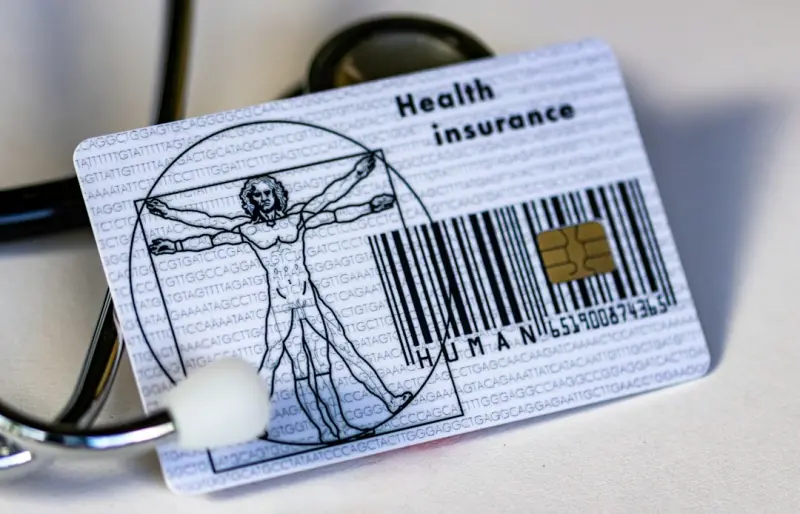
Most of us glance at the insurance card in our wallet, glance at the premiums on the statement, and then quickly move on. We think of health insurance as a safety net for the inevitable—an unexpected ER visit, a surprise diagnosis, or a surgery we hope never happens. What if I told you the real power of that card lies not in the emergency room, but in the everyday choices that keep you from needing one?
In my experience as a health‑focused strategist, I’ve seen countless people overlook the preventive services baked into their plans. From annual wellness visits to immunizations and lifestyle coaching, these benefits can slash long‑term costs, improve quality of life, and even add years to your health span. The trick is learning how to navigate the fine print and turn a “coverage” mindset into a “prevention” mindset.
Decoding the Fine Print: What Your Policy Actually Offers
Insurance policies are notorious for dense legalese. The first step is to locate the section titled something like “Preventive Services” or “Wellness Benefits.” Here’s what you should be looking for:
- Routine Screenings: Blood pressure, cholesterol, diabetes, and certain cancer screenings are often covered 100 % when performed at the recommended intervals.
- Vaccinations: Flu shots, Tdap, HPV, and emerging vaccines are typically free to the policyholder.
- Behavioral Health: Some plans include counseling sessions for stress, smoking cessation, or weight management without a co‑pay.
- Digital Health Tools: Telehealth visits, health‑tracking apps, and virtual coaching are becoming standard perks.
- Wellness Incentives: Points, cash back, or reduced premiums for meeting activity goals, attending health workshops, or completing health risk assessments.
Understanding these items isn’t just bureaucratic diligence; it’s a roadmap to a healthier, cheaper life.
Maximizing Preventive Benefits: A Practical Playbook
Now that you’ve identified the treasure trove of preventive services, it’s time to put them to work. Below is a step‑by‑step playbook that can be applied regardless of whether you have an HMO, PPO, or high‑deductible plan.
- Annual Health Audit—Schedule a 30‑minute block each year to review your policy’s benefits. Mark the dates for each screening, vaccination, and wellness program.
- Set Up Reminders—Use your phone’s calendar or a health‑tracking app to trigger alerts before each due date.
- Leverage Telehealth—For routine follow‑ups, a virtual visit can save time and often bypass co‑pays. Many insurers even waive co‑pay for the first virtual consult.
- Ask About “No‑Cost” Options—When you book a screening, confirm with the provider that it’s listed as a preventive service. This avoids surprise bills.
- Take Advantage of Incentive Programs—If your insurer offers a points system for walking 10,000 steps a day or completing a health questionnaire, enroll and track your progress. Those points can translate into lower premiums or even grocery vouchers.
By integrating these actions into your routine, you transform a passive insurance relationship into an active health partnership.
The Hidden Value of Wellness Programs
Beyond the obvious medical screenings, many insurers now bundle holistic wellness programs. These can range from yoga classes to nutrition coaching and even financial stress workshops. While they may seem peripheral, they address the upstream factors that drive chronic disease.
For instance, a recent study showed that participants who engaged in employer‑sponsored wellness challenges reduced their risk of hypertension by 20 % and saved an average of $250 per year in medical expenses. That’s a direct line from “wellness program” to “lower out‑of‑pocket costs.”
If your plan offers a partnership with a mental‑fitness platform, consider it a free ticket to a mental fitness ecosystem that can improve resilience, focus, and overall health.
Case Study: From Reactive to Proactive
Meet Maya, a 38‑year‑old marketing manager who thought her health insurance was just a “just in case” safety net. After a routine blood pressure check revealed pre‑hypertension, she discovered that her plan covered a dietitian visit and a series of lifestyle coaching sessions at no extra cost. By following the playbook above—booking the dietitian, joining the insurer’s step‑challenge, and using telehealth for monthly check‑ins—Maya lowered her blood pressure to normal levels within six months.
Beyond the health benefits, Maya saved $800 in medication costs and qualified for a $150 premium reduction through her insurer’s wellness incentive program. Her experience underscores how a simple shift in mindset can reap both health and financial dividends.
Integrating Environmental and Lifestyle Factors
Prevention isn’t limited to the clinic. Your home environment, nutrition, and daily habits all play a role. A well‑ventilated home can reduce respiratory issues, while a diet aligned with seasonal foods can enhance immunity.
Consider reading the air quality insights article to learn how indoor pollutants may impact your health and how your insurance might cover an indoor air quality assessment.
Similarly, for those concerned about metabolic health, the prediabetes management guide offers practical steps that many insurance plans cover, including nutrition counseling and glucose monitoring kits.
Action Plan: Turning Knowledge Into Habit
Below is a concise checklist you can print or save on your phone. Treat it as a personal health contract with your insurer.
- Review your policy’s preventive services section before the end of each quarter.
- Schedule all due screenings for the next 12 months.
- Enroll in any available wellness incentive program.
- Set up a recurring reminder for vaccination updates.
- Choose a telehealth provider for routine follow‑ups.
- Track progress in a simple spreadsheet: service, date, provider, cost saved.
- Reassess annually and adjust based on new health goals.
When you treat your insurance as an active health coach rather than a passive payer, you unlock a cascade of benefits: fewer sick days, lower medical bills, and a stronger, more resilient body.
Final Thoughts: Your Insurance Is a Partnership, Not a Promise
Health insurance is often marketed as a promise: “We’ll cover you when you need us.” But the real promise lies in the partnership you forge by using the preventive tools it already offers. By taking the time to understand your coverage, scheduling routine care, and engaging with wellness incentives, you shift the narrative from “reactive treatment” to “proactive thriving.”
In the long run, this approach doesn’t just save money—it builds a foundation for a life where health challenges are the exception, not the rule. So, the next time you glance at your insurance card, see it as a passport to preventive empowerment, not just a safety net.

Related Posts
Transforming Health Insurance into a Preventive Care Engine
A fresh look at health insurance reveals how to turn your policy into a proactive, preventive‑care... Read More

Turn Your Health Insurance Into a Proactive Wellness Engine
Learn practical steps to unlock the hidden wellness features in your health plan— from telehealth ... Read More

Cracking the Health Insurance Code: A Freelancer’s Playbook
A deep dive into health insurance for freelancers, offering practical strategies to decode premiums,... Read More
Top Posts

Whole‑Self Wellness: My 2026 Blueprint for Vibrant Health
In 2026, I share my holistic health blueprint—from mindful eating and intentional movement to restorative sleep and modern detox—empowering you to achieve v...Read More

Weight Loss Through Storytelling: Crafting a Narrative That Fuels Change
Learn how turning your weight‑loss journey into a narrative can replace fleeting willpower with lasting motivation, using storytelling techniques and practica...Read More

Syncing Your Gut Clock: How Meal Timing Fuels Microbiome Vitality
Tom Ferguson explains the science behind the gut’s internal clock and offers practical steps to synchronize meals, sleep, and lifestyle for a thriving microbi...Read More

The Social Kitchen: Turning Community Meals into a Prediabetes Defense
A fresh look at prediabetes reveals that community meals, collective movement, and supportive networks can empower lasting lifestyle changes, turning health goa...Read More
0 Comments
Post Comment
You will need to Login or Register to comment on this post!