
Listening to the Quiet Signals: My First Years with Autoimmune Disease
When the doctor finally said the words “autoimmune condition,” my mind raced through a maze of fear, confusion, and a strange sense of relief. I finally had a label for the fatigue that clung to me like a second skin, the joint pain that turned simple chores into ordeals, and the mental fog that made everyday decisions feel like climbing a mountain. Understanding the disease became my first act of rebellion—a way to reclaim agency over a body that seemed to have turned on me. I started keeping a daily log, noting food, weather, stress levels, and flare‑ups. The patterns were subtle at first, but as the months passed the data revealed a hidden dialogue between my environment and my immune system. This journal not only gave me a sense of control but also laid the groundwork for the systematic experiments that would later shape my healing journey.
The Invisible Triggers Lurking in Everyday Life
One of the most eye‑opening revelations came when I realized that the culprits were not always the obvious “bad foods” but the silent chemicals embedded in the world around us. From the fragrance‑laden cleaning sprays in my kitchen to the non‑stick coating on my pans, each exposure added a tiny weight to an already overburdened immune system. I began swapping out synthetic products for natural alternatives, even going as far as testing my indoor air quality with a simple monitor. The change was gradual, yet palpable: fewer skin rashes, less joint stiffness after a day in the office. I also discovered that seasonal pollen spikes could exacerbate my symptoms, prompting me to adopt a rigorous nasal rinse routine during high‑allergy periods. These adjustments taught me that managing an autoimmune disease is as much about curating one’s environment as it is about diet or medication.
Beyond the Microbiome: Crafting an Anti‑Inflammatory Kitchen
While many wellness guides champion a gut‑first approach, my experience taught me that the microbiome is only one piece of a larger puzzle. I started experimenting with a spectrum of anti‑inflammatory foods, focusing on color, variety, and preparation methods that preserved nutrients. For example, I swapped roasted carrots for raw, spiralized carrots tossed in cold‑pressed olive oil and lemon zest, preserving enzymes that aid digestion. I also incorporated adaptogenic herbs like ashwagandha and turmeric, tracking their impact on my energy levels and mood. To share the science behind these choices, I referenced a deeper dive on nurturing your microbiome, which helped me understand how fiber and polyphenols interact with gut bacteria to modulate immune responses. Nurturing Your Microbiome for Graceful Aging became a cornerstone resource, reminding me that a balanced gut supports, but does not single‑handedly resolve, systemic inflammation.
Movement as Medicine: The Joy of Playful Exercise
When I first tried conventional cardio routines, my joints screamed in protest, and my fatigue returned within hours. It was a breakthrough moment when I discovered that the quality of movement mattered more than the intensity. I turned to playful movement practices—gentle dance, tai chi, and short bursts of body‑weight flow that felt more like a game than a workout. These sessions boosted circulation, released endorphins, and, most importantly, taught my body to move without fear of pain. I created a simple weekly schedule: three 10‑minute mobility circuits in the morning, a 20‑minute “dance‑break” at lunch, and a calming stretch routine before bed. The result was a noticeable reduction in flare‑ups, improved sleep quality, and a renewed sense of vitality that no medication had ever provided.
Detoxifying From Within: Supporting Lymphatic Flow
Autoimmune flare‑ups often feel like a clogged highway, with inflammatory signals stuck in the bloodstream. To address this, I explored strategies that specifically target the lymphatic system, the body’s natural drainage network. Simple habits like dry brushing, alternating hot and cold showers, and incorporating rebounding (mini‑trampoline) sessions helped stimulate lymph flow and reduce swelling. I also learned that certain nutrients, such as omega‑3 fatty acids and antioxidants, can enhance lymphatic health. To deepen my understanding, I consulted a comprehensive guide on natural detox pathways. Unlocking Your Body’s Natural Detox: A Lymph‑Focused Blueprint provided actionable steps that aligned perfectly with my daily routine, making the process feel both scientific and approachable.
The Mind‑Body Bridge: Meditation, Journaling, and Self‑Compassion
Stress is a known accelerator of autoimmune activity, and I quickly realized that calming the mind was as critical as any dietary tweak. I adopted a two‑minute breath‑focus meditation each morning, gradually extending it to ten minutes as my concentration improved. Coupled with a nightly journaling habit—where I recorded emotional highs, low points, and physical sensations—I began to see a correlation between mental turbulence and subsequent flare‑ups. Practicing self‑compassion, I reminded myself that setbacks were part of the healing narrative, not failures. Over time, this mental hygiene reduced cortisol spikes, steadied my blood sugar, and contributed to a calmer immune response, reinforcing the notion that the brain and immune system are in constant conversation.
Finding Strength in Community: The Power of Shared Stories
Isolation can amplify the challenges of living with an autoimmune disease, which is why I sought out both local and online support groups. Sharing my journey in a forum of fellow warriors offered validation, practical tips, and a reminder that I was not alone in the struggle. I also volunteered as a mentor for newcomers, guiding them through the maze of specialist appointments and insurance paperwork. The sense of belonging fostered accountability; knowing others were watching encouraged me to stay consistent with my lifestyle changes. Moreover, the collective wisdom often introduced me to innovative therapies—like low‑dose naltrexone or cryotherapy—that I might never have considered on my own.
Collaborating with Healthcare Professionals: An Integrative Approach
While my self‑directed experiments yielded noticeable improvements, I never abandoned conventional medical care. I partnered with a rheumatologist who respected my desire for an integrative plan, combining prescription medication with targeted lab tests to monitor inflammation markers. Together, we explored functional medicine assessments that highlighted hidden deficiencies, such as vitamin D and magnesium, which I promptly corrected through diet and supplementation. This collaborative model ensured that my body received the necessary pharmacologic support while allowing room for lifestyle interventions to flourish. It also reinforced a critical lesson: the most effective treatment is often a partnership, not a hierarchy, between patient and practitioner.
Resilience and the Road Ahead: Turning Diagnosis into Empowerment
Living with an autoimmune disease is a continuous learning curve, but each setback has taught me resilience. I now view my condition not as a curse but as a catalyst for deeper self‑knowledge and purposeful living. The tools I have assembled—environmental awareness, anti‑inflammatory nutrition, playful movement, lymphatic support, mental hygiene, community connection, and collaborative healthcare—form a flexible framework that adapts as my body evolves. I share these insights not as a one‑size‑fits‑all prescription, but as an invitation to experiment, listen, and reclaim the narrative of one’s own health. The journey is far from over, but each day brings a renewed sense of agency and hope.
Take the First Step: Your Personalized Autoimmune Blueprint
If you’re reading this and feel the weight of uncertainty, I encourage you to start small. Choose one habit—whether it’s a 10‑minute mobility routine, a daily breath practice, or a simple swap of a synthetic product for a natural alternative—and commit to it for two weeks. Document the changes, celebrate the wins, and adjust as needed. Remember, the path to wellness is a mosaic of tiny, intentional actions that together create a vibrant picture of health. Reach out, share your story, and let’s build a community where each voice adds strength to the collective chorus of healing.

Related Posts

Navigating Autoimmune Disease: A Holistic Path to Empowerment
A personal journey reveals how diet, sleep, mindful movement, and community support empower those li... Read More

Listening to the Quiet War Within: A Data‑Driven Playbook for Autoimmune Balance
A comprehensive guide that blends personal data tracking, gut health, circadian rhythm, and communit... Read More
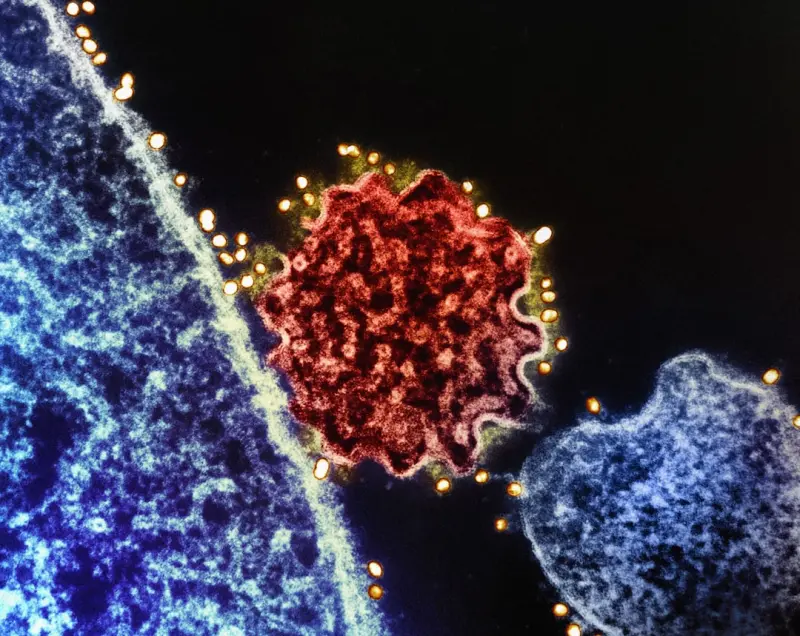
When Data Meets the Immune System: Real‑Time Tracking Redefines Autoimmune Care
A deep dive into how real‑time data, wearable tech, and community sharing are giving autoimmune pa... Read More
Top Posts

Gut Health as a Strategic Edge for Leaders
Executive Paul Gray explains why gut health matters for leadership, offering science‑backed strategies, travel hacks, and workplace tweaks that boost focus, r...Read More

Sarah Gray’s Holistic Blueprint for Quitting Smoking & Vaping in a Modern World
Sarah Gray shares a comprehensive, holistic plan to break free from smoking and vaping, blending mindfulness, nutrition, and supportive community for lasting ch...Read More
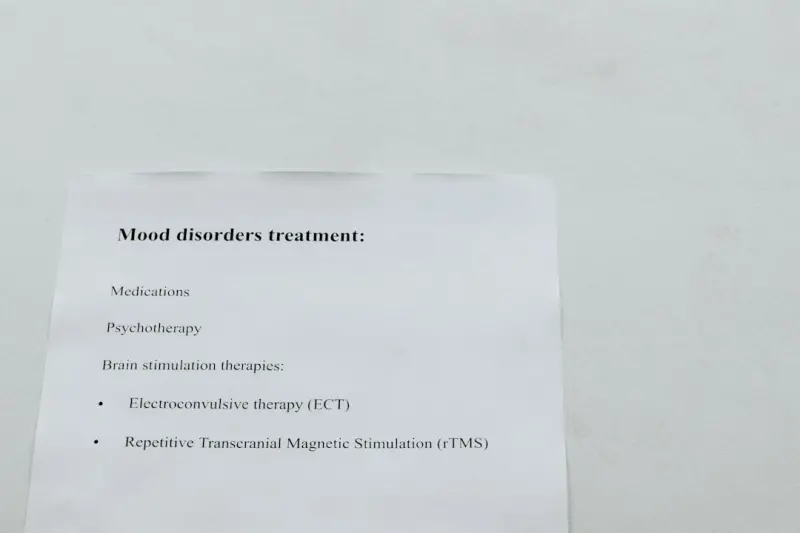
When Your Immune System Won’t Cooperate: Thriving at Work with Autoimmune Disease
Living with an autoimmune condition doesn’t have to sideline your career. Discover actionable tips for workplace flexibility, tech‑enhanced therapy, and sup...Read More
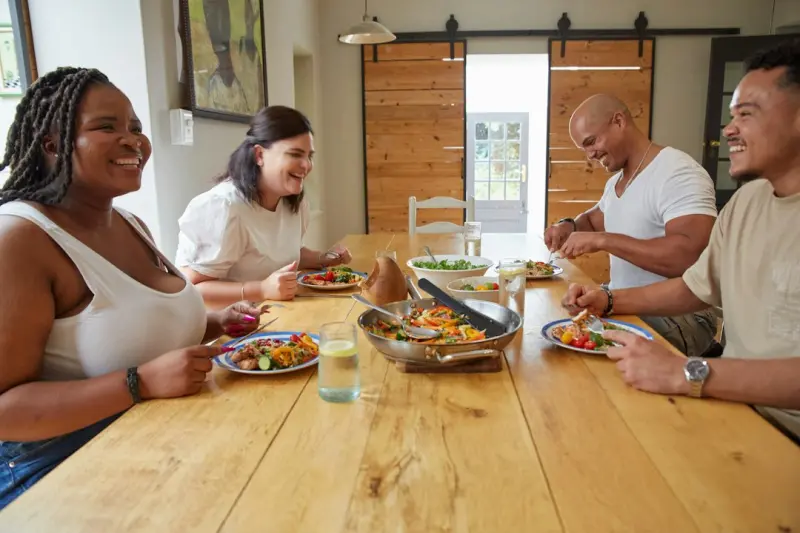
Cultivating Community: How Shared Meals Fight Prediabetes
Discover how turning meals into social events can improve insulin sensitivity, reduce stress hormones, and help reverse prediabetes, with practical steps to sta...Read More
0 Comments
Post Comment
You will need to Login or Register to comment on this post!